THE ADVENTURE COLLECTIVE® · Independent discovery and booking for outdoor travel

Drive the Ha Giang Loop in a private car over two days to see towering karst plateaus, Ma Pi Leng Pass, and the Nho Que River. This compact itinerary blends dramatic vistas with cultural visits to H’Mong villages and historic homestays—ideal for travelers seeking highland scenery without long trekking.
Drive the Ha Giang Loop in a private car over two days to see towering karst plateaus, Ma Pi Leng Pass, and the Nho Que River. This compact itinerary blends dramatic vistas with cultural visits to H’Mong villages and historic homestays—ideal for travelers seeking highland scenery without long trekking.
The road sighs and narrows as the private car peels away from Ha Giang city, climbing into a landscape of limestone ridges and ribboned switchbacks. By mid-morning the driver points out the Quan Ba “Heaven Gate” viewpoint; valleys open below like folded maps, terraced fields and solitary pines marking human scale against a wild plateau.
Verified experiences and guided adventures in the surrounding area.
Operated by Local Tours SAPA · Ha Giang, Ha Giang Province
The road sighs and narrows as the private car peels away from Ha Giang city, climbing into a landscape of limestone ridges and ribboned switchbacks. By mid-morning the driver points out the Quan Ba “Heaven Gate” viewpoint; valleys open below like folded maps, terraced fields and solitary pines marking human scale against a wild plateau.
This two-day loop traces the highland history of the H’Mong and other ethnic groups, passing the hilltop manor of the Vuong family and Pao’s House—sites that reflect French colonial influences laid over centuries of local life. Geologically, the Dong Van Karst Plateau is ancient coral reef limestone pushed skyward, eroded into sheer cliffs and moon-like pavements; Ma Pi Leng Pass slices the plateau, dropping to the Nho Que River where canyon walls rise with raw verticality.
Culturally the route is lived-in: villagers tend small fields, markets pulse in the evenings, and homestays offer a chance to sleep under woven indigo and hear local stories. Practicalities matter—roads are steep and serpentine, rest stops sparse, and weather can shift quickly at altitude. Travelers should plan for early starts, bring layered clothing for chilly nights, and allow time for short walks where viewpoints demand it. Expect mostly road driving interspersed with short hikes and a river boat on the Nho Que. In two days the loop compresses Ha Giang’s remote grandeur into an accessible sequence of vistas, cultural stops, and hands-on encounters—ideal for travelers who want highland drama without multi-day trekking.
moderate.
2 days.
Moderate fitness: able to handle short hikes (15–45 minutes) and long hours in a vehicle without discomfort
The itinerary begins and ends in Ha Giang City; pickup points are arranged in advance.
Breakfasts, lunches, dinner and one night’s homestay accommodation are included per the itinerary details.
Road sections are accessible by car but village terrain and some viewpoints require short, uneven walks; not recommended for those with serious mobility limitations.
Some cultural sites like Pao’s House and viewpoints may charge small entrance fees—these are commonly included but confirm with the operator before travel.
The Dong Van plateau was historically a marginal frontier where H’Mong and other ethnic groups developed distinct architecture and trade practices; French colonial routes left mansions and old forts that punctuate the loop.
Visitors should stick to marked paths, avoid single-use plastics, and support local homestays and markets to sustain community-based tourism.
Local Tours SAPA operates guided outdoor trips and adventures with an emphasis on safety, stewardship, and memorable experiences.
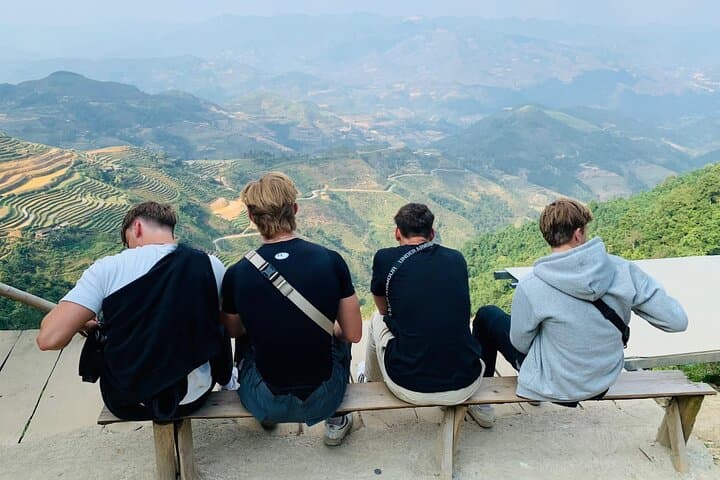
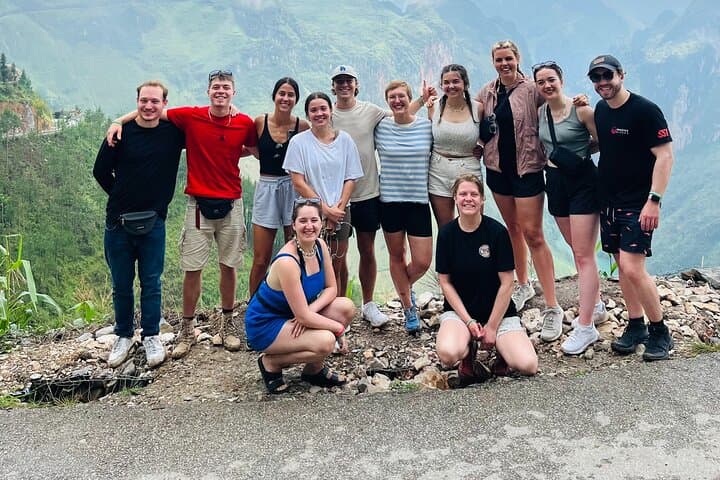
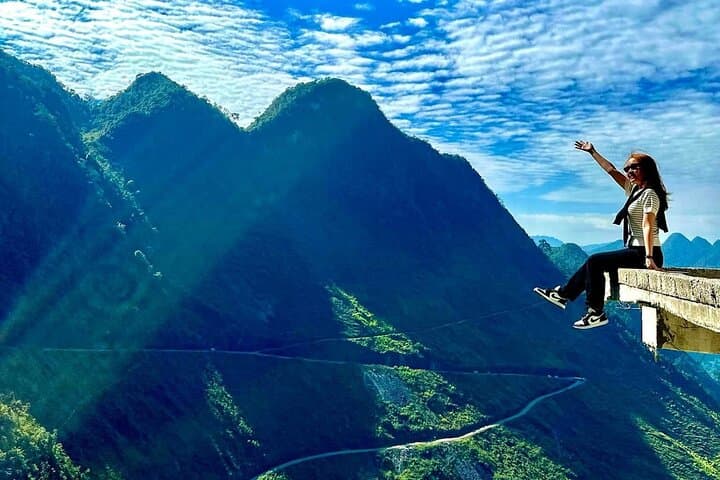
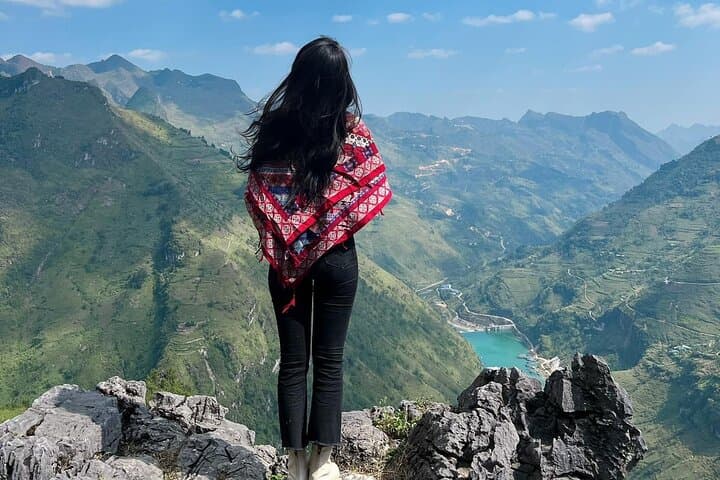
The road sighs and narrows as the private car peels away from Ha Giang city, climbing into a landscape of limestone ridges and ribboned switchbacks. By mid-morning the driver points out the Quan Ba “Heaven Gate” viewpoint; valleys open below like folded maps, terraced fields and solitary pines marking human scale against a wild plateau.
The road sighs and narrows as the private car peels away from Ha Giang city, climbing into a landscape of limestone ridges and ribboned switchbacks. By mid-morning the driver points out the Quan Ba “Heaven Gate” viewpoint; valleys open below like folded maps, terraced fields and solitary pines marking human scale against a wild plateau.
This two-day loop traces the highland history of the H’Mong and other ethnic groups, passing the hilltop manor of the Vuong family and Pao’s House—sites that reflect French colonial influences laid over centuries of local life. Geologically, the Dong Van Karst Plateau is ancient coral reef limestone pushed skyward, eroded into sheer cliffs and moon-like pavements; Ma Pi Leng Pass slices the plateau, dropping to the Nho Que River where canyon walls rise with raw verticality.
Culturally the route is lived-in: villagers tend small fields, markets pulse in the evenings, and homestays offer a chance to sleep under woven indigo and hear local stories. Practicalities matter—roads are steep and serpentine, rest stops sparse, and weather can shift quickly at altitude. Travelers should plan for early starts, bring layered clothing for chilly nights, and allow time for short walks where viewpoints demand it. Expect mostly road driving interspersed with short hikes and a river boat on the Nho Que. In two days the loop compresses Ha Giang’s remote grandeur into an accessible sequence of vistas, cultural stops, and hands-on encounters—ideal for travelers who want highland drama without multi-day trekking.