THE ADVENTURE COLLECTIVE® · Independent discovery and booking for outdoor travel

Race along limestone ridges and peer over Ma Pi Leng to the Nho Que River on a condensed Ha Giang Loop itinerary. This two-day bus tour from Hanoi mixes sleeper transfers, homestays and market visits for a compact highland experience.
Race along limestone ridges and peer over Ma Pi Leng to the Nho Que River on a condensed Ha Giang Loop itinerary. This two-day bus tour from Hanoi mixes sleeper transfers, homestays and market visits for a compact highland experience.
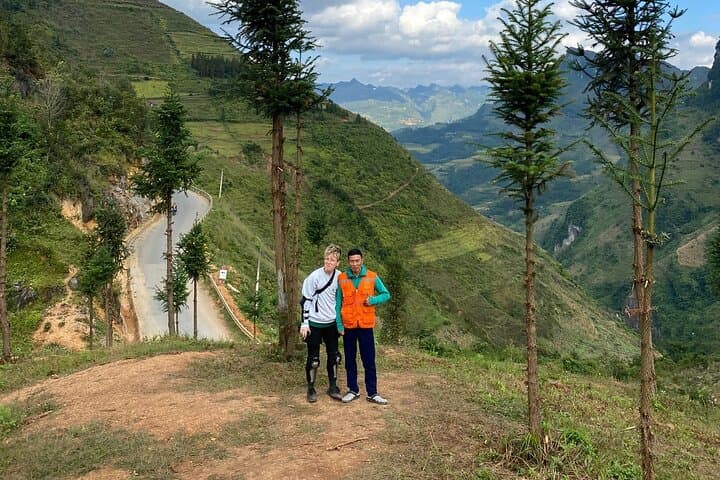
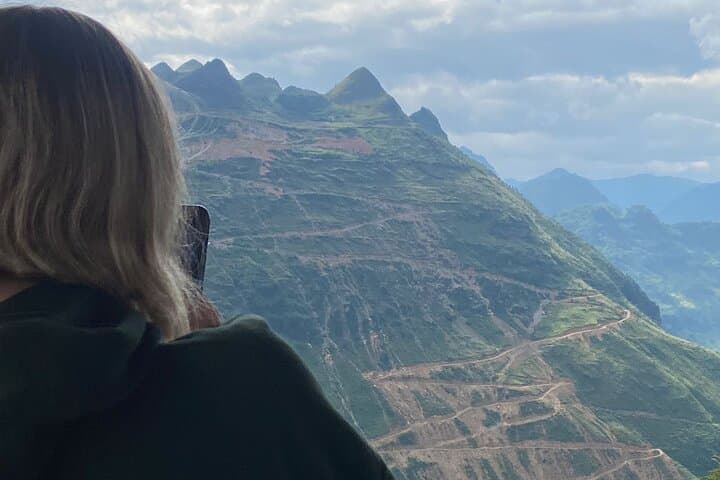
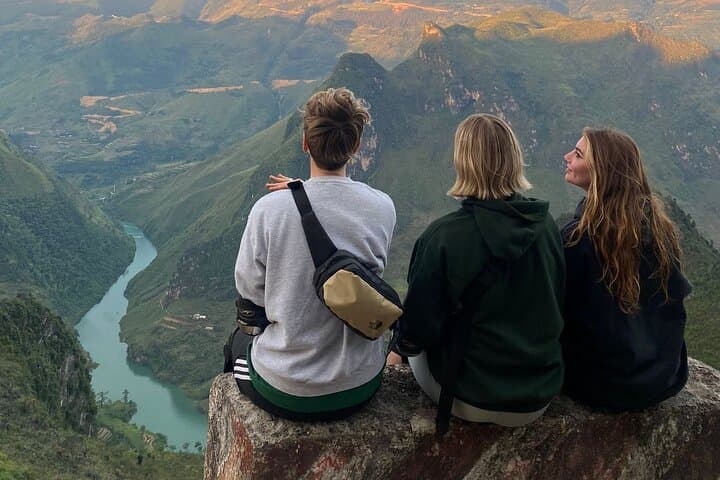
A low, pre-dawn bus hums out of Hanoi and the countryside slides into long, shadowed rice paddies. By morning the road has climbed; cliffs press close and the Nho Que River cuts a bright ribbon deep below. You feel the loop’s pace shift from highway to switchbacks, and the landscape — limestone towers and folded valleys — begins to take on a sharper edge.
Verified experiences and guided adventures in the surrounding area.
Operated by Local Tours Ha Giang · Ha Giang, Ha Giang
A low, pre-dawn bus hums out of Hanoi and the countryside slides into long, shadowed rice paddies. By morning the road has climbed; cliffs press close and the Nho Que River cuts a bright ribbon deep below. You feel the loop’s pace shift from highway to switchbacks, and the landscape — limestone towers and folded valleys — begins to take on a sharper edge.
The Ha Giang Loop traverses the Dong Van Karst Plateau Geopark, a geological page of ancient marine limestone uplifted and sculpted into jagged peaks. The route threads through Meo Vac and Dong Van, historic market towns where Hmong, Dao, Lô Lô and Tày communities trade woven textiles and medicines. At Lung Cu Flag Pole the country’s edge meets highland village life; at Ma Pi Leng Pass the road hugs cliffs with the Nho Que daring you to look down.
This tour compresses those highlights into an overnight rhythm of sleeper bus transfers, homestay stays and short hikes or market walks. Expect long drives broken by viewpoints, a short boat on the Nho Que, and time in local markets (Sundays are busiest). Practical notes: bring layered clothing for temperatures that swing rapidly, cash for small purchases and a daypack for cameras and rain gear. Roads can be narrow and wet in summer; if you’re prone to motion sickness, choose a seat on the outer edge and prepare accordingly.
In short: fast-moving, scenic and culturally rich — ideal for travelers wanting concentrated access to Ha Giang’s highland roads without motorcycle planning or extended logistics.
moderate.
2–3 days.
Good for travelers with basic fitness; expect short walks at higher elevations and long seated transfers.
Pickup is usually from Hanoi Old Quarter hotels or a designated office; confirm your exact pickup point and time when you book.
The route includes many switchbacks; bring medication, choose an outer seat on the bus and sit facing forward when possible.
The tour lists breakfasts, lunches and dinners across the itinerary and includes entrance fees for main sites, but expect to pay for some optional stops like the Panorama café.
Yes; the tour accommodates solo travelers with shared-room homestays, though private-room upgrades may be available.
The Dong Van Karst Plateau is a UNESCO geopark; its uplifts and cultural crossroads have sheltered ethnic communities and mountain trade routes for centuries.
Tourism impacts fragile karst soils and water; stick to paths, minimize plastic waste, and support local homestays to keep economic benefits local.
Local Tours Ha Giang operates guided outdoor trips and adventures with an emphasis on safety, stewardship, and memorable experiences.

A low, pre-dawn bus hums out of Hanoi and the countryside slides into long, shadowed rice paddies. By morning the road has climbed; cliffs press close and the Nho Que River cuts a bright ribbon deep below. You feel the loop’s pace shift from highway to switchbacks, and the landscape — limestone towers and folded valleys — begins to take on a sharper edge.
A low, pre-dawn bus hums out of Hanoi and the countryside slides into long, shadowed rice paddies. By morning the road has climbed; cliffs press close and the Nho Que River cuts a bright ribbon deep below. You feel the loop’s pace shift from highway to switchbacks, and the landscape — limestone towers and folded valleys — begins to take on a sharper edge.
The Ha Giang Loop traverses the Dong Van Karst Plateau Geopark, a geological page of ancient marine limestone uplifted and sculpted into jagged peaks. The route threads through Meo Vac and Dong Van, historic market towns where Hmong, Dao, Lô Lô and Tày communities trade woven textiles and medicines. At Lung Cu Flag Pole the country’s edge meets highland village life; at Ma Pi Leng Pass the road hugs cliffs with the Nho Que daring you to look down.
This tour compresses those highlights into an overnight rhythm of sleeper bus transfers, homestay stays and short hikes or market walks. Expect long drives broken by viewpoints, a short boat on the Nho Que, and time in local markets (Sundays are busiest). Practical notes: bring layered clothing for temperatures that swing rapidly, cash for small purchases and a daypack for cameras and rain gear. Roads can be narrow and wet in summer; if you’re prone to motion sickness, choose a seat on the outer edge and prepare accordingly.
In short: fast-moving, scenic and culturally rich — ideal for travelers wanting concentrated access to Ha Giang’s highland roads without motorcycle planning or extended logistics.