THE ADVENTURE COLLECTIVE® · Independent discovery and booking for outdoor travel

Ride or ride-along from Sapa across the Ha Giang Loop in three days: dramatic passes, the Ma Pi Leng viewpoint, and the rolling karst of Dong Van. This practical guide highlights what to expect, how to prepare, and local insights to make the most of the route.
Ride or ride-along from Sapa across the Ha Giang Loop in three days: dramatic passes, the Ma Pi Leng viewpoint, and the rolling karst of Dong Van. This practical guide highlights what to expect, how to prepare, and local insights to make the most of the route.
The day begins before dawn in Sapa: a soft blue light over terraced fields, then a long bus ride that drops you in Ha Giang before sunrise. From there the road becomes the story—hairpins that climb to open plateaus, cliffs that peer down into the Nho Que River gorge, and narrow switchbacks where the valley seems to dare you onward.
Verified experiences and guided adventures in the surrounding area.
Operated by Authentic HA GIANG · Ha Giang, Ha Giang Province
The day begins before dawn in Sapa: a soft blue light over terraced fields, then a long bus ride that drops you in Ha Giang before sunrise. From there the road becomes the story—hairpins that climb to open plateaus, cliffs that peer down into the Nho Que River gorge, and narrow switchbacks where the valley seems to dare you onward.
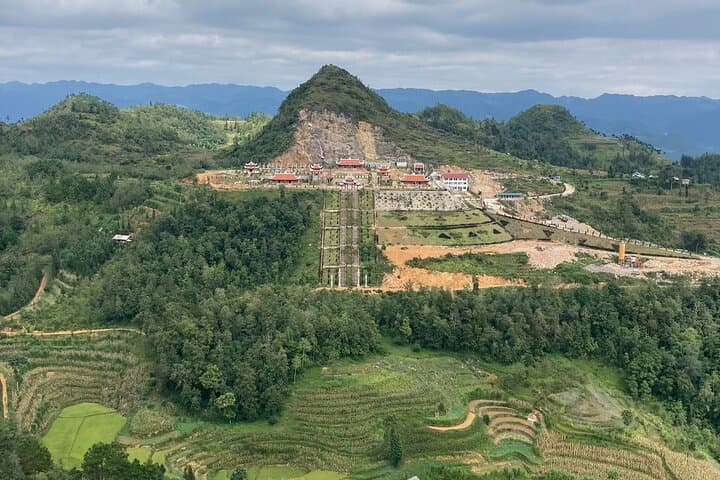
This loop traces the Dong Van Karst Plateau, a UNESCO Global Geopark whose limestone ridges were carved over geological epochs. Cultural threads run equally deep: Hmong and Tay villages cling to slopes, stone houses in Dong Van town reflect life lived against steep terrain, and roadside markets offer woven textiles and simple, warming soups.
Expect roughly 250–320 km of travel across three days, with daily stretches of 80–140 km. Elevations vary from valley floors around a few hundred meters to passes exceeding 1,200–1,500 m. Roads alternate between well-paved provincial highways and narrower mountain asphalt; if you choose a motorbike, prepare for sustained lean angles and tight sightlines.
Practical guidance: ride conservatively on wet or foggy mornings, carry cash for remote villages, and plan for variable temperatures—sunny midday heat gives way to sharp chill above 1,000 m. Helmets are provided if you book the motorbike option, but bring a waterproof outer layer, layered insulation, and shoes with good grip.
Over three days you’ll move from Sapa’s cultivated slopes into a wild, stony highland where geology, culture, and the road itself create the trip’s backbone—direct, demanding, and vividly alive.
moderate.
3 days.
Moderate fitness recommended—able to handle several hours seated on a bike or in vehicle with short hikes or standing viewpoints.
If you select the motorbike option you should have basic control and experience riding mountain roads; otherwise choose the bus/car option and no riding skills are required.
Expect roughly 250–320 km total over three days, with daily driving segments typically between 80–140 km depending on stops and road conditions.
Yes—the itinerary includes two nights’ accommodation (hostel/homestay) and one overnight sleeping bus for the return to Hanoi.
The tour includes breakfast, two lunches, two dinners, and a short boat trip on the Nho Que River as described in the itinerary.
The Dong Van Karst Plateau has been shaped for millions of years and hosts diverse ethnic communities; its unique geology earned UNESCO Global Geopark status.
The region faces pressure from tourism and road expansion—minimize waste, avoid disturbing villages, and use local guides to support community-based livelihoods.
Authentic HA GIANG operates guided outdoor trips and adventures with an emphasis on safety, stewardship, and memorable experiences.
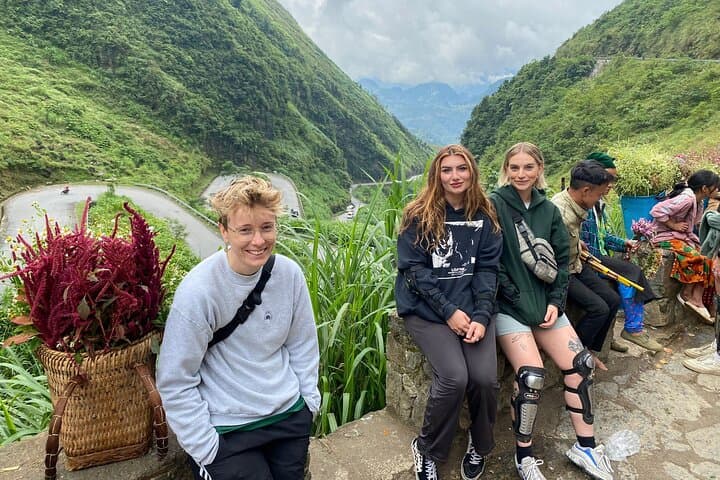
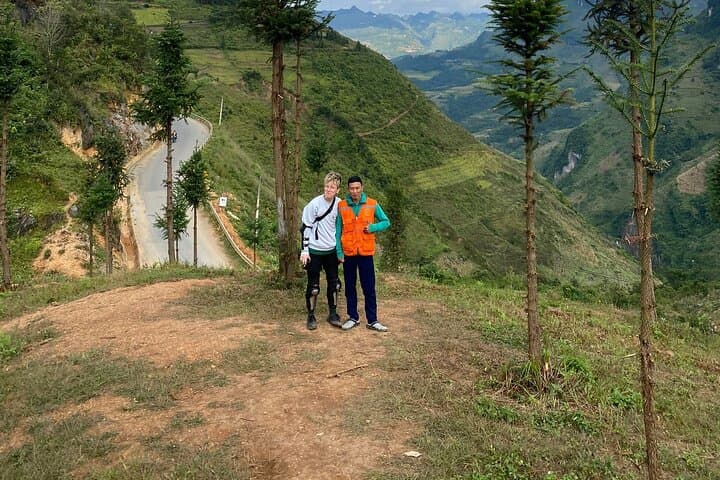
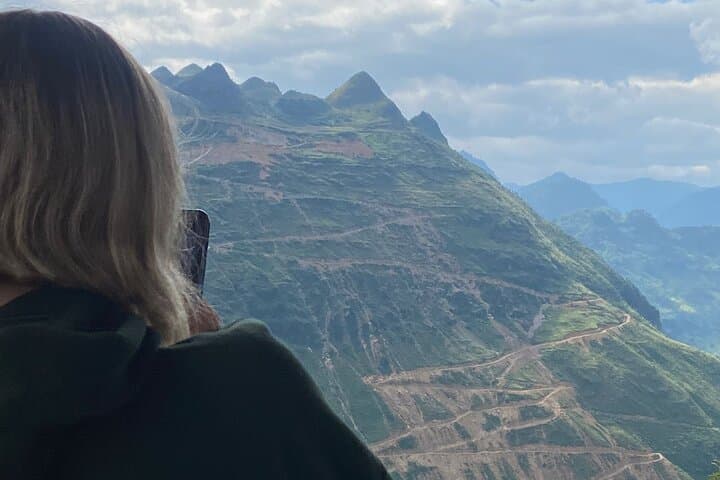
The day begins before dawn in Sapa: a soft blue light over terraced fields, then a long bus ride that drops you in Ha Giang before sunrise. From there the road becomes the story—hairpins that climb to open plateaus, cliffs that peer down into the Nho Que River gorge, and narrow switchbacks where the valley seems to dare you onward.
The day begins before dawn in Sapa: a soft blue light over terraced fields, then a long bus ride that drops you in Ha Giang before sunrise. From there the road becomes the story—hairpins that climb to open plateaus, cliffs that peer down into the Nho Que River gorge, and narrow switchbacks where the valley seems to dare you onward.
This loop traces the Dong Van Karst Plateau, a UNESCO Global Geopark whose limestone ridges were carved over geological epochs. Cultural threads run equally deep: Hmong and Tay villages cling to slopes, stone houses in Dong Van town reflect life lived against steep terrain, and roadside markets offer woven textiles and simple, warming soups.
Expect roughly 250–320 km of travel across three days, with daily stretches of 80–140 km. Elevations vary from valley floors around a few hundred meters to passes exceeding 1,200–1,500 m. Roads alternate between well-paved provincial highways and narrower mountain asphalt; if you choose a motorbike, prepare for sustained lean angles and tight sightlines.
Practical guidance: ride conservatively on wet or foggy mornings, carry cash for remote villages, and plan for variable temperatures—sunny midday heat gives way to sharp chill above 1,000 m. Helmets are provided if you book the motorbike option, but bring a waterproof outer layer, layered insulation, and shoes with good grip.
Over three days you’ll move from Sapa’s cultivated slopes into a wild, stony highland where geology, culture, and the road itself create the trip’s backbone—direct, demanding, and vividly alive.