THE ADVENTURE COLLECTIVE® · Independent discovery and booking for outdoor travel

Drive the Ha Giang Loop in two days and stand over Mapileng canyon, visit the Meo King mansion and sit in markets where H’Mong brocade is still woven by hand. This private car tour packs the Dong Van plateau’s geology and culture into an accessible, unforgettable weekend.
Drive the Ha Giang Loop in two days and stand over Mapileng canyon, visit the Meo King mansion and sit in markets where H’Mong brocade is still woven by hand. This private car tour packs the Dong Van plateau’s geology and culture into an accessible, unforgettable weekend.
Mist threads the valley at dawn as the car peels away from Ha Giang town and the road tightens into switchbacks. Limestone towers fracture the skyline into shards of grey; rivers cut sharp blue ribbons through canyons. By the time you crest Quan Ba Heaven Gate, Bosom Mountain sits like a slow-moving hill that dares you to look away.
Verified experiences and guided adventures in the surrounding area.
Operated by Authentic HALONG · Dong Van, Ha Giang Province
Mist threads the valley at dawn as the car peels away from Ha Giang town and the road tightens into switchbacks. Limestone towers fracture the skyline into shards of grey; rivers cut sharp blue ribbons through canyons. By the time you crest Quan Ba Heaven Gate, Bosom Mountain sits like a slow-moving hill that dares you to look away.
This region is part of the Dong Van Karst Plateau, a UNESCO-recognized landscape formed by ancient limestone uplift and erosion that carved deep canyons—Ma Pi Leng and Mapileng among the most dramatic. The plateau is home to H’Mong, Dzao and Tay communities whose markets and weaving villages—Lung Tam in particular—preserve textiles and rituals tied to the mountain seasons.
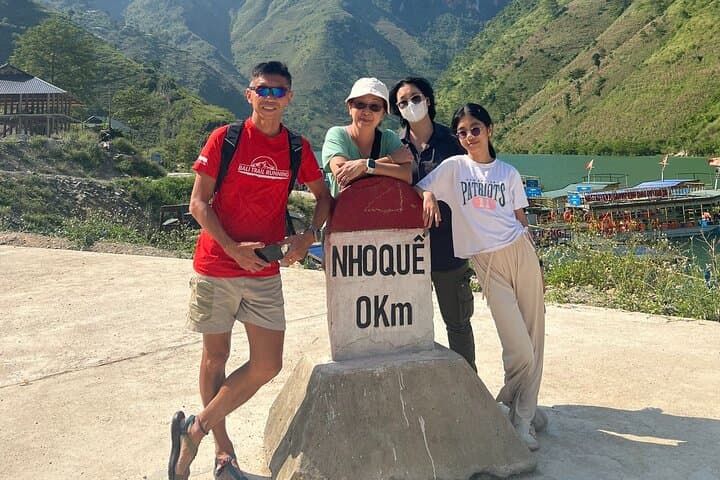
Day one covers Ha Giang to Dong Van (roughly 140–160 km of mountain roads, several long passes). You’ll visit Quan Ba Heaven Gate, Tham Ma pass and Meo King mansion before overnighting in Dong Van’s old quarter. Day two takes you over Ma Pi Leng, down to the Nho Que River (Mapileng canyon drops about 800 m), and offers an optional boat through Tu San canyon (boat fee typically charged locally).
Practical edge: expect long hours in a vehicle with frequent short walks, tight hairpins and sudden weather shifts—carry cash, plan for early starts, and allow time for markets and photo stops. Motion-sickness medication, layered clothing, and local-language patience pay off; the landscape rewards those who slow down and look closely.
easy.
2 days.
Minimal fitness required for car travel and short walks; be able to climb stairs and walk on uneven village paths.
Expect roughly 6–8 hours of driving across mountain roads each day with multiple short stops; distances are 140–160 km over two days depending on route.
No—the boat through Tu San/Mapileng canyon is usually booked and paid locally (approx $15 per person), and return transport from the boat may be extra.
You’ll stay in a private room at a hotel or homestay in Dong Van; standards vary from simple homestays to modest hotels with private bathrooms.
Yes for most, but the road is winding and some walks involve stairs; travelers with heart or spinal issues should consult a physician first.
The Dong Van plateau’s karst terrain has supported upland ethnic communities for centuries; the Vuong family mansion reflects early 20th-century wealth and cross-border trade influence.
The geopark designation highlights karst conservation and sustainable tourism; stick to trails and avoid feeding wildlife to reduce human impact.
Authentic HALONG operates guided outdoor trips and adventures with an emphasis on safety, stewardship, and memorable experiences.
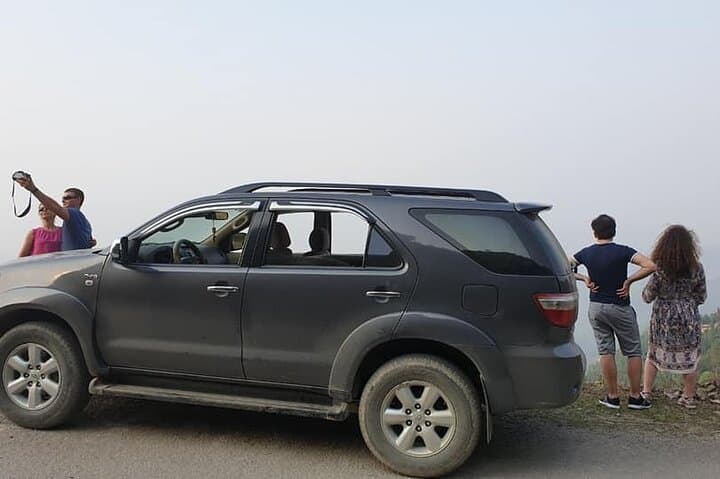
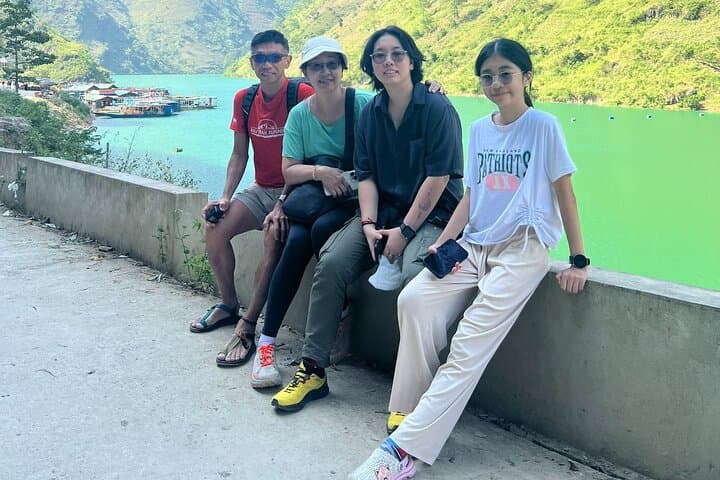

Mist threads the valley at dawn as the car peels away from Ha Giang town and the road tightens into switchbacks. Limestone towers fracture the skyline into shards of grey; rivers cut sharp blue ribbons through canyons. By the time you crest Quan Ba Heaven Gate, Bosom Mountain sits like a slow-moving hill that dares you to look away.
Mist threads the valley at dawn as the car peels away from Ha Giang town and the road tightens into switchbacks. Limestone towers fracture the skyline into shards of grey; rivers cut sharp blue ribbons through canyons. By the time you crest Quan Ba Heaven Gate, Bosom Mountain sits like a slow-moving hill that dares you to look away.
This region is part of the Dong Van Karst Plateau, a UNESCO-recognized landscape formed by ancient limestone uplift and erosion that carved deep canyons—Ma Pi Leng and Mapileng among the most dramatic. The plateau is home to H’Mong, Dzao and Tay communities whose markets and weaving villages—Lung Tam in particular—preserve textiles and rituals tied to the mountain seasons.
Day one covers Ha Giang to Dong Van (roughly 140–160 km of mountain roads, several long passes). You’ll visit Quan Ba Heaven Gate, Tham Ma pass and Meo King mansion before overnighting in Dong Van’s old quarter. Day two takes you over Ma Pi Leng, down to the Nho Que River (Mapileng canyon drops about 800 m), and offers an optional boat through Tu San canyon (boat fee typically charged locally).
Practical edge: expect long hours in a vehicle with frequent short walks, tight hairpins and sudden weather shifts—carry cash, plan for early starts, and allow time for markets and photo stops. Motion-sickness medication, layered clothing, and local-language patience pay off; the landscape rewards those who slow down and look closely.