THE ADVENTURE COLLECTIVE® · Independent discovery and booking for outdoor travel

A compact 2-day bus tour across Ha Giang’s Dong Van Karst Plateau delivers sharp passes, deep river canyons and living ethnic culture. Expect long driving stretches punctuated by market visits, historic mansions and dramatic viewpoints.
A compact 2-day bus tour across Ha Giang’s Dong Van Karst Plateau delivers sharp passes, deep river canyons and living ethnic culture. Expect long driving stretches punctuated by market visits, historic mansions and dramatic viewpoints.
Mornings in Ha Giang start with a cool hush: the road unfurls, cliffs lean close and the karst towers seem to test your attention. On this 2-day bus tour you ride through that roving landscape—hairpin passes, the blue thread of the Nho Que River, and powdery villages where brocade looms click like a steady heartbeat.
Verified experiences and guided adventures in the surrounding area.
Operated by Authentic HALONG · Ha Giang, Ha Giang Province
Mornings in Ha Giang start with a cool hush: the road unfurls, cliffs lean close and the karst towers seem to test your attention. On this 2-day bus tour you ride through that roving landscape—hairpin passes, the blue thread of the Nho Que River, and powdery villages where brocade looms click like a steady heartbeat.
The route crosses the Dong Van Karst Plateau, a UNESCO-recognized landscape carved from limestone over millions of years. The region’s history is equally layered: ancient H’Mong and Dao communities, the Meo King’s mansion from the colonial era, and markets that remain trading hubs for remote valleys.
Geology shows in sheer cliffs and 800-meter canyons; culture appears in woven fabrics, market calls and the Lung Cu flag tower marking Vietnam’s northern edge. Ma Pi Leng and Tham Ma passes give dramatic vantage points; Quan Ba Heaven Gate offers a broad view of the Bosom Mountains.
Practically, this tour is mostly road-based with short on-foot visits—expect hotel or homestay accommodation, local meals, and a possible boat option on the Nho Que River (extra fee). Travel time is significant: prepare for long sit-down stretches broken by brisk walks and stairs.
Bring layers for sudden weather shifts, a sturdy pair of shoes for village paths, sun protection for exposed ridgelines, and a small daypack for camera gear and water. Aim to travel outside heavy monsoon months for clearer views; arrive with local currency for markets and modest tips for guides and artisans.
easy.
2 days (approx. 8–10 hours driving per day).
Suitable for most fitness levels; mostly seated with short walks, stairs and uneven village paths.
Yes—pickups are provided from homestays or motels in Ha Giang as listed in the tour details.
Most entrance fees are included, but the Nho Que River boat ride is optional and typically requires an additional fee.
The tour includes a private room at a hotel/homestay and local meals as outlined (breakfast, lunch, dinner on specified days).
The tour is low-impact overall but involves steps, uneven village paths and boarding vehicles—discuss mobility needs with the operator before booking.
Dong Van Karst Plateau holds layered human history—from ancient upland communities to the French-era Meo King mansion—reflecting trade routes and ethnic governance over centuries.
The karst plateau is fragile: stick to trails, avoid removing plants or artifacts, and support local guides and craft economies to minimize tourism pressure.
Authentic HALONG operates guided outdoor trips and adventures with an emphasis on safety, stewardship, and memorable experiences.
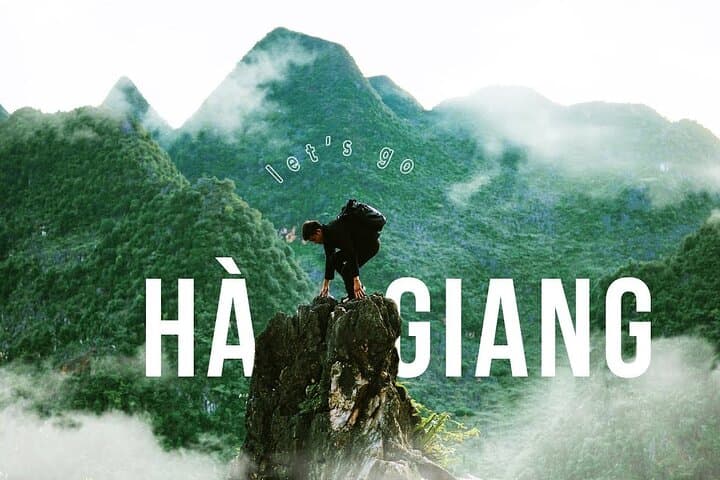
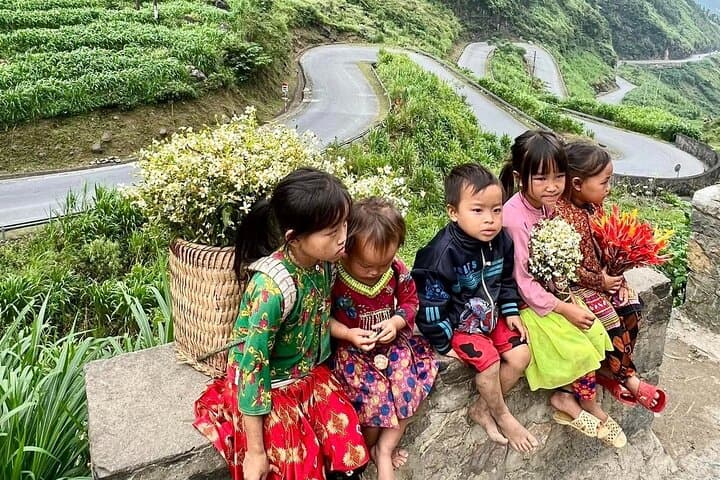
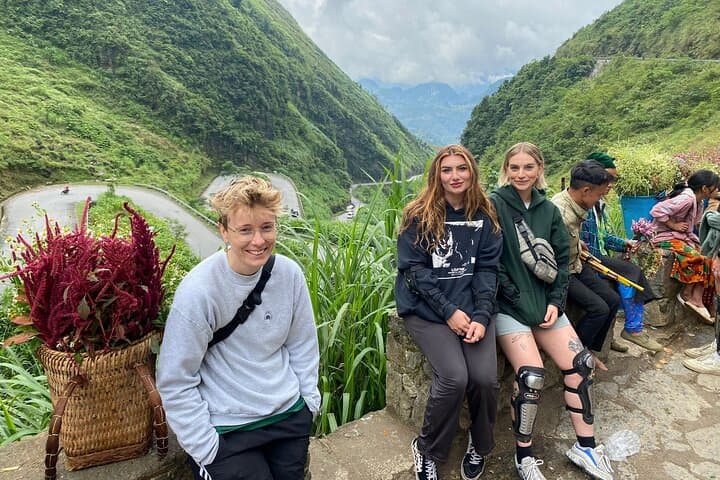
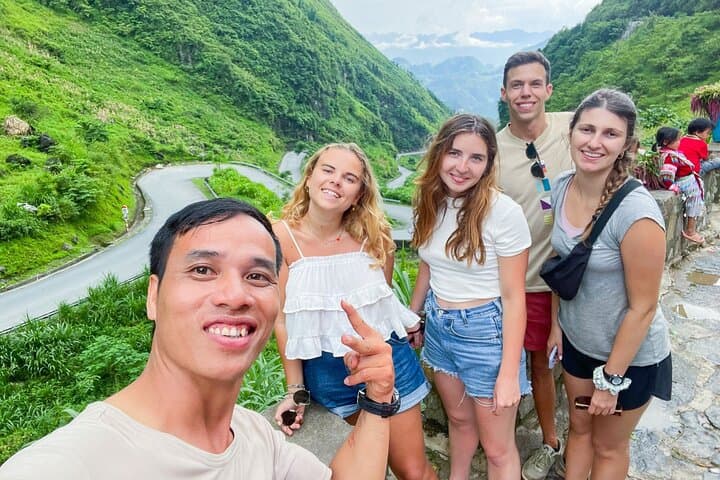
Mornings in Ha Giang start with a cool hush: the road unfurls, cliffs lean close and the karst towers seem to test your attention. On this 2-day bus tour you ride through that roving landscape—hairpin passes, the blue thread of the Nho Que River, and powdery villages where brocade looms click like a steady heartbeat.
Mornings in Ha Giang start with a cool hush: the road unfurls, cliffs lean close and the karst towers seem to test your attention. On this 2-day bus tour you ride through that roving landscape—hairpin passes, the blue thread of the Nho Que River, and powdery villages where brocade looms click like a steady heartbeat.
The route crosses the Dong Van Karst Plateau, a UNESCO-recognized landscape carved from limestone over millions of years. The region’s history is equally layered: ancient H’Mong and Dao communities, the Meo King’s mansion from the colonial era, and markets that remain trading hubs for remote valleys.
Geology shows in sheer cliffs and 800-meter canyons; culture appears in woven fabrics, market calls and the Lung Cu flag tower marking Vietnam’s northern edge. Ma Pi Leng and Tham Ma passes give dramatic vantage points; Quan Ba Heaven Gate offers a broad view of the Bosom Mountains.
Practically, this tour is mostly road-based with short on-foot visits—expect hotel or homestay accommodation, local meals, and a possible boat option on the Nho Que River (extra fee). Travel time is significant: prepare for long sit-down stretches broken by brisk walks and stairs.
Bring layers for sudden weather shifts, a sturdy pair of shoes for village paths, sun protection for exposed ridgelines, and a small daypack for camera gear and water. Aim to travel outside heavy monsoon months for clearer views; arrive with local currency for markets and modest tips for guides and artisans.