THE ADVENTURE COLLECTIVE® · Independent discovery and booking for outdoor travel

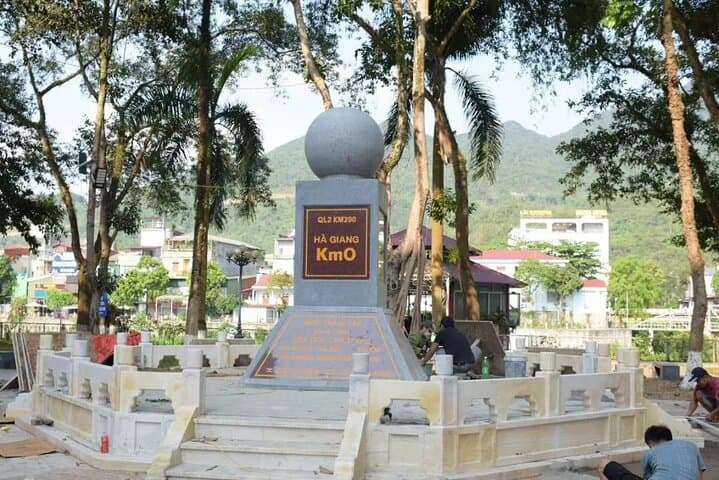
Four days of cliff-scraping passes, karst plateaus and Hmong homestays: this car tour takes you across the Ha Giang Loop from Ha Giang city to Dong Van and Ma Pi Leng. Expect long drives, dramatic viewpoints, and close encounters with highland culture.
Four days of cliff-scraping passes, karst plateaus and Hmong homestays: this car tour takes you across the Ha Giang Loop from Ha Giang city to Dong Van and Ma Pi Leng. Expect long drives, dramatic viewpoints, and close encounters with highland culture.
Dawn breaks over limestone ridges as the limousine eases out of Hanoi and the lowlands peel away—rice paddies give way to steep terraces and a road that climbs into cloud. By the first evening in Ha Giang city the air is noticeably cooler; mountain smells—earth, pine, wood smoke—seem to push you forward.
Verified experiences and guided adventures in the surrounding area.
Operated by Local Tours PU LUONG · Ha Giang, Ha Giang Province
Dawn breaks over limestone ridges as the limousine eases out of Hanoi and the lowlands peel away—rice paddies give way to steep terraces and a road that climbs into cloud. By the first evening in Ha Giang city the air is noticeably cooler; mountain smells—earth, pine, wood smoke—seem to push you forward.
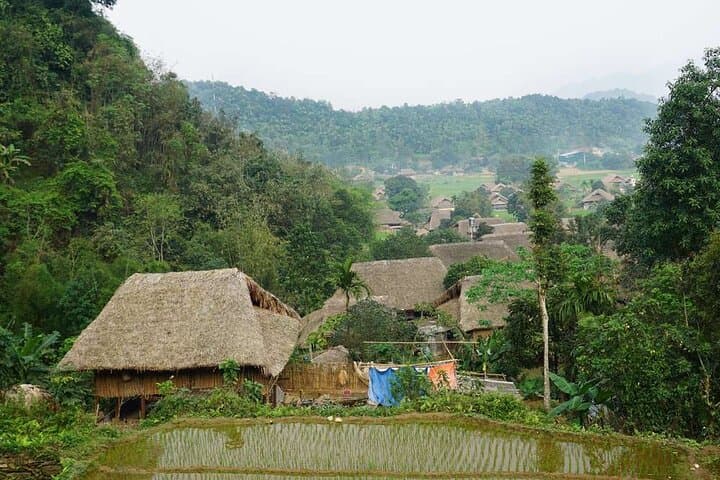
The loop threads historic passes and ethnic highlands: Quan Ba’s Twin Mountains and Heaven Gate open views onto the Dong Van Karst Plateau, Ma Pi Leng dares drivers along sheer drop-offs, and Lung Cu’s flagpole marks Vietnam’s northern margin. Geologically the plateau is a karst landscape carved from ancient marine limestone; cliffs, caves and narrow valleys record eons of uplift and erosion. Culturally the route runs through Hmong, Dao and Tay villages where traditional brocade, earthen houses and weekly markets still set local rhythms.
Expect long drives each day (three to seven hours of transit interspersed with stops), short walks to viewpoints, and homestay or basic 2‑star lodging. Roads can be narrow and winding; motion‑sickness medication and a steady driver matter. Bring layered clothing for big diurnal swings, cash for small purchases in remote villages, and time to slow down at markets and tea stalls.
Practical planning: start in Hanoi, allow an extra day for bad‑weather delays, and choose a tour that includes an English guide familiar with border permits and local etiquette. Respect private land and ask before photographing people. The reward is direct: raw mountain vistas, cliffside roads that tighten the chest, and intimate cultural exchanges that linger long after the journey ends.
moderate.
4 days.
Basic fitness for short uphill walks, steps and getting on/off vehicles; comfortable sitting tolerance for long transfers.
The tour is driven, so physical exertion is low—expect short walks to viewpoints and market visits; the main challenge is long hours in a vehicle and winding roads.
Elevations reach around 1,200–1,600 m on passes like Ma Pi Leng; most travelers experience mild effects such as breathlessness on steep steps—stay hydrated and pace yourself.
Accommodations are a mix of basic 2‑star hotels and local homestays—comfortable but simple, often without western conveniences in remote spots.
Yes—the tour operator requests dietary needs in advance and can prepare vegetarian meals, but options in villages can be limited, so bring snacks you prefer.
The Dong Van Plateau has long been a trade crossroads and ethnic heartland; sites like Dinh Vua Mèo reflect early 20th‑century Hmong leadership and Chinese architectural influence.
The karst plateau is ecologically fragile—stick to roads and paths, pack out waste, and support locally run homestays that reinvest in community livelihoods.
Local Tours PU LUONG operates guided outdoor trips and adventures with an emphasis on safety, stewardship, and memorable experiences.

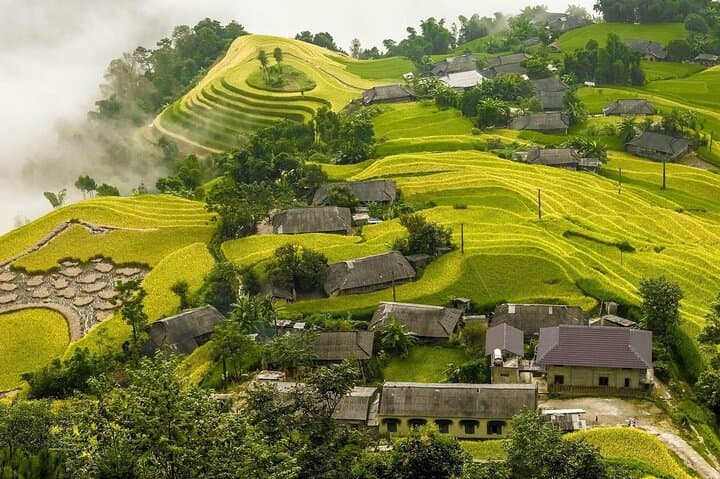
Dawn breaks over limestone ridges as the limousine eases out of Hanoi and the lowlands peel away—rice paddies give way to steep terraces and a road that climbs into cloud. By the first evening in Ha Giang city the air is noticeably cooler; mountain smells—earth, pine, wood smoke—seem to push you forward.
Dawn breaks over limestone ridges as the limousine eases out of Hanoi and the lowlands peel away—rice paddies give way to steep terraces and a road that climbs into cloud. By the first evening in Ha Giang city the air is noticeably cooler; mountain smells—earth, pine, wood smoke—seem to push you forward.
The loop threads historic passes and ethnic highlands: Quan Ba’s Twin Mountains and Heaven Gate open views onto the Dong Van Karst Plateau, Ma Pi Leng dares drivers along sheer drop-offs, and Lung Cu’s flagpole marks Vietnam’s northern margin. Geologically the plateau is a karst landscape carved from ancient marine limestone; cliffs, caves and narrow valleys record eons of uplift and erosion. Culturally the route runs through Hmong, Dao and Tay villages where traditional brocade, earthen houses and weekly markets still set local rhythms.
Expect long drives each day (three to seven hours of transit interspersed with stops), short walks to viewpoints, and homestay or basic 2‑star lodging. Roads can be narrow and winding; motion‑sickness medication and a steady driver matter. Bring layered clothing for big diurnal swings, cash for small purchases in remote villages, and time to slow down at markets and tea stalls.
Practical planning: start in Hanoi, allow an extra day for bad‑weather delays, and choose a tour that includes an English guide familiar with border permits and local etiquette. Respect private land and ask before photographing people. The reward is direct: raw mountain vistas, cliffside roads that tighten the chest, and intimate cultural exchanges that linger long after the journey ends.