THE ADVENTURE COLLECTIVE® · Independent discovery and booking for outdoor travel

Experience Ha Giang's rugged karst plateau on a 3-day car loop that links Quan Ba, Dong Van, Ma Pi Leng and Lung Cu. This accessible tour pairs dramatic viewpoints and cultural stops with low physical demands—ideal for travelers who want big vistas without long hikes.
Experience Ha Giang's rugged karst plateau on a 3-day car loop that links Quan Ba, Dong Van, Ma Pi Leng and Lung Cu. This accessible tour pairs dramatic viewpoints and cultural stops with low physical demands—ideal for travelers who want big vistas without long hikes.
A cool wind cuts across the车limousine's windshield as the road unfurls into a network of limestone spines and folded valleys. On day one the group leaves Hanoi before dawn; by late afternoon Ha Giang's low buildings and terraced fields slide into view beneath the Quan Ba twins, which rise like two watchful hills above the valley.
Verified experiences and guided adventures in the surrounding area.
Operated by Authentic Travel HOI AN · Ha Giang, Ha Giang Province
A cool wind cuts across the车limousine's windshield as the road unfurls into a network of limestone spines and folded valleys. On day one the group leaves Hanoi before dawn; by late afternoon Ha Giang's low buildings and terraced fields slide into view beneath the Quan Ba twins, which rise like two watchful hills above the valley.
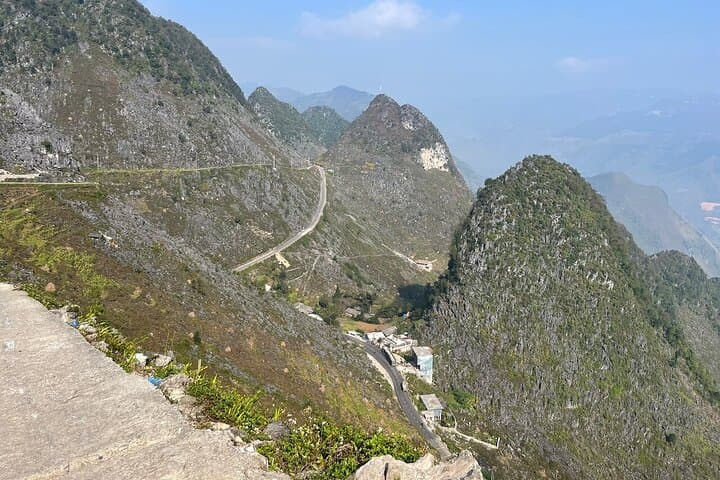
This loop crosses the Dong Van Karst Plateau, a UNESCO Global Geopark shaped by ancient limestone uplift and millennia of erosion. Cultural notes are never far: the Hmong King Palace recalls the region's ethnic history and French-era influences, while Lung Cu Flagpole marks Vietnam's northern extremity. Rivers here cut deep—Nho Que dares you to lean closer—creating the dramatic gorges that made Ma Pi Leng Pass famous.
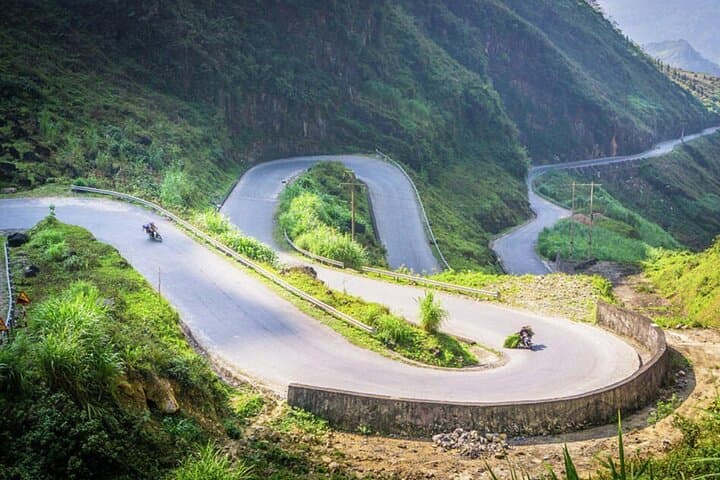
Practical guidance: the itinerary travels by comfortable limousine with local guides, so physical demands are low, but short hikes, market visits, and tower climbs require steady shoes and an eye for altitude changes. Expect cool mornings at higher elevations; pack layers and a light rain shell. Bring cash for small purchases in market towns and allow time for photo stops—the road's hairpins reveal new vistas every few minutes.
Travelers should set expectations for modest accommodation (2-star hotels or homestays) and variable cell coverage. The trip rewards those who want an accessible, window-seat view into Ha Giang's geology and living cultures without intensive trekking.
easy.
3 days.
Suitable for travelers of average fitness—mostly seated travel with short walks and stairs at attractions
Pickup is in Hanoi (Old Quarter or Opera House area) and the tour returns to Hanoi on day three in the evening.
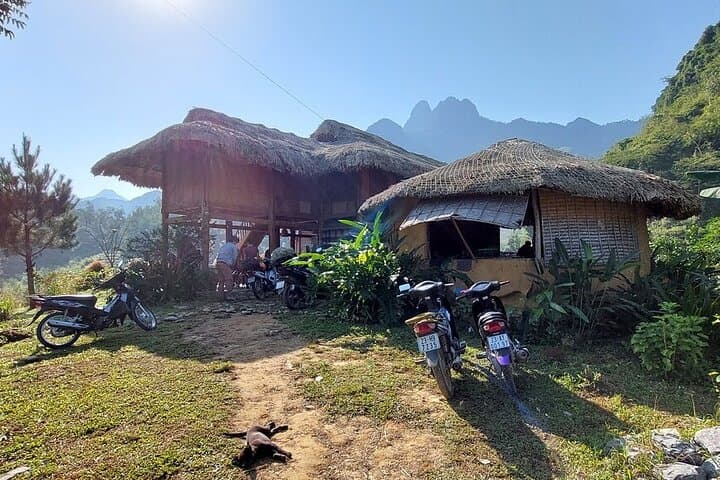
Overnights are in 2-star hotels or local homestays in Ha Giang and Dong Van; expect basic comforts and authentic local hospitality.
The tour involves long drives with some short walks and stairs at viewpoints; it's classified easy but not recommended for travelers with serious spinal or cardiovascular issues.
Yes—most entrance fees listed (Pao’s house, Hmong King Palace, Lung Cu) and two breakfasts, three lunches, and two dinners are included, plus water.
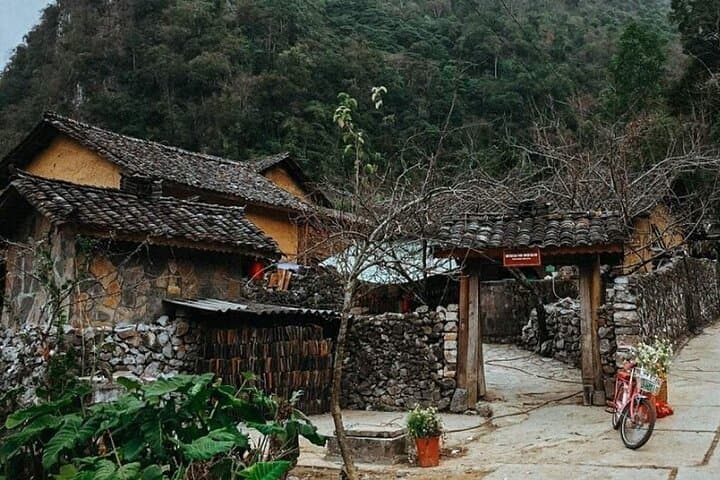
The region is home to multiple ethnic groups and the Hmong King Palace (Dinh Vua Mèo) reflects early 20th-century local governance and French colonial-era influences.
As part of the Dong Van Karst Global Geopark, tourism is managed to protect fragile karst landscapes and local livelihoods—stay on marked tracks and minimize single-use plastics.
Authentic Travel HOI AN operates guided outdoor trips and adventures with an emphasis on safety, stewardship, and memorable experiences.
A cool wind cuts across the车limousine's windshield as the road unfurls into a network of limestone spines and folded valleys. On day one the group leaves Hanoi before dawn; by late afternoon Ha Giang's low buildings and terraced fields slide into view beneath the Quan Ba twins, which rise like two watchful hills above the valley.
A cool wind cuts across the车limousine's windshield as the road unfurls into a network of limestone spines and folded valleys. On day one the group leaves Hanoi before dawn; by late afternoon Ha Giang's low buildings and terraced fields slide into view beneath the Quan Ba twins, which rise like two watchful hills above the valley.
This loop crosses the Dong Van Karst Plateau, a UNESCO Global Geopark shaped by ancient limestone uplift and millennia of erosion. Cultural notes are never far: the Hmong King Palace recalls the region's ethnic history and French-era influences, while Lung Cu Flagpole marks Vietnam's northern extremity. Rivers here cut deep—Nho Que dares you to lean closer—creating the dramatic gorges that made Ma Pi Leng Pass famous.
Practical guidance: the itinerary travels by comfortable limousine with local guides, so physical demands are low, but short hikes, market visits, and tower climbs require steady shoes and an eye for altitude changes. Expect cool mornings at higher elevations; pack layers and a light rain shell. Bring cash for small purchases in market towns and allow time for photo stops—the road's hairpins reveal new vistas every few minutes.
Travelers should set expectations for modest accommodation (2-star hotels or homestays) and variable cell coverage. The trip rewards those who want an accessible, window-seat view into Ha Giang's geology and living cultures without intensive trekking.