THE ADVENTURE COLLECTIVE® · Independent discovery and booking for outdoor travel

A four-day 4WD loop from Hanoi into Ha Giang’s Dong Van Karst Plateau: winding mountain passes, remote ethnic villages, the dramatic Ma Pi Leng viewpoint and a boat ride through Tu San gorge. Expect long drives, simple hotels and intense, high-altitude scenery.
A four-day 4WD loop from Hanoi into Ha Giang’s Dong Van Karst Plateau: winding mountain passes, remote ethnic villages, the dramatic Ma Pi Leng viewpoint and a boat ride through Tu San gorge. Expect long drives, simple hotels and intense, high-altitude scenery.
You climb out of Hanoi before dawn and the city’s hum thins into a narrow ribbon of asphalt that winds into limestone shoulders. By midday the road curls through hairpin passes; wind strips of mist reveal towering karst teeth and patchwork fields where H’mong and Dao families tend terraces. On day two the Ma Pi Leng spine opens like a theater — a 21 km pass with plunging views to the Nho Que river far below.
Verified experiences and guided adventures in the surrounding area.
Operated by Dragon Tourist - Vina Cruise · Ha Giang, Ha Giang Province
You climb out of Hanoi before dawn and the city’s hum thins into a narrow ribbon of asphalt that winds into limestone shoulders. By midday the road curls through hairpin passes; wind strips of mist reveal towering karst teeth and patchwork fields where H’mong and Dao families tend terraces. On day two the Ma Pi Leng spine opens like a theater — a 21 km pass with plunging views to the Nho Que river far below.
The region sits on the Dong Van Karst Plateau, a UNESCO-recognized geopark carved over millions of years by uplift and erosion; the result is weathered limestone, sheer gorges and isolated villages with distinct dress, language and craft. Lung Cu Flag Tower marks Vietnam’s northern edge; H’mong King’s Palace in Sa Phin offers a late-19th-century glimpse into local elite life. Boat sections on the Tu San gorge expose canyon walls that drop 700–900 m, an experience as geological as it is visual.
Practical guide: the standard itinerary runs four days from Hanoi with long transit days (expect roughly 6–8 hours of driving the first and last days). Accommodations are simple hotels in Ha Giang and Dong Van; some walking and short treks are included but technical demands are low. Bring sturdy shoes for village paths, layers for sharp temperature swings (high passes can be >1,500 m), and motion-sickness remedies for winding roads. Borderland permission is handled by the operator, and group sizes are typically up to 15. Respect local customs, carry local currency for market purchases, and plan for early starts to catch the clearest views.
moderate.
4 days.
Suitable for travelers in average fitness — involves short treks, standing during transfers, and coping with long vehicle hours.
The tour includes the borderland permission fee for foreigners; you won’t need to arrange permits independently but must carry ID details provided at booking.
Physical demands are moderate: mostly vehicle transfers with short, easy treks and market walks — no technical climbing required.
Accommodations are basic to mid-range (included nights in Ha Giang city and Dong Van town); expect simple amenities and regional hospitality.
Itineraries include a boat ride through the Tu San gorge on the Nho Que river — a guided, non-technical water transfer rather than independent paddling.
The plateau has long been a crossroads for H’mong, Dao and Tay communities; the area’s road network became strategically important during resistance movements in the 20th century.
Dong Van Karst Plateau is a geopark with ongoing conservation efforts to balance tourism, traditional agriculture and protection of fragile karst landscapes; stick to trails and avoid disturbing agricultural terraces.
Dragon Tourist - Vina Cruise operates guided outdoor trips and adventures with an emphasis on safety, stewardship, and memorable experiences.
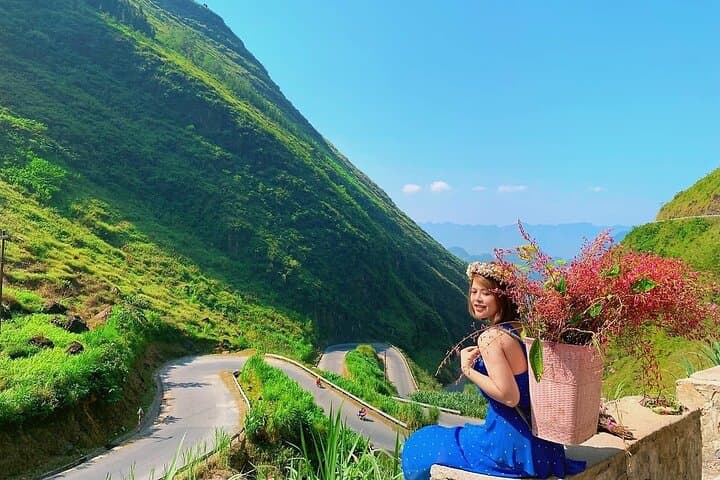



You climb out of Hanoi before dawn and the city’s hum thins into a narrow ribbon of asphalt that winds into limestone shoulders. By midday the road curls through hairpin passes; wind strips of mist reveal towering karst teeth and patchwork fields where H’mong and Dao families tend terraces. On day two the Ma Pi Leng spine opens like a theater — a 21 km pass with plunging views to the Nho Que river far below.
You climb out of Hanoi before dawn and the city’s hum thins into a narrow ribbon of asphalt that winds into limestone shoulders. By midday the road curls through hairpin passes; wind strips of mist reveal towering karst teeth and patchwork fields where H’mong and Dao families tend terraces. On day two the Ma Pi Leng spine opens like a theater — a 21 km pass with plunging views to the Nho Que river far below.
The region sits on the Dong Van Karst Plateau, a UNESCO-recognized geopark carved over millions of years by uplift and erosion; the result is weathered limestone, sheer gorges and isolated villages with distinct dress, language and craft. Lung Cu Flag Tower marks Vietnam’s northern edge; H’mong King’s Palace in Sa Phin offers a late-19th-century glimpse into local elite life. Boat sections on the Tu San gorge expose canyon walls that drop 700–900 m, an experience as geological as it is visual.
Practical guide: the standard itinerary runs four days from Hanoi with long transit days (expect roughly 6–8 hours of driving the first and last days). Accommodations are simple hotels in Ha Giang and Dong Van; some walking and short treks are included but technical demands are low. Bring sturdy shoes for village paths, layers for sharp temperature swings (high passes can be >1,500 m), and motion-sickness remedies for winding roads. Borderland permission is handled by the operator, and group sizes are typically up to 15. Respect local customs, carry local currency for market purchases, and plan for early starts to catch the clearest views.