THE ADVENTURE COLLECTIVE® · Independent discovery and booking for outdoor travel

Ride the high passes of Northern Vietnam on a four-day motorbike loop from Hanoi. Expect UNESCO karst ridges, Ma Pi Leng Pass, Nho Que River boat rides, and overnight homestays with local meals.
Ride the high passes of Northern Vietnam on a four-day motorbike loop from Hanoi. Expect UNESCO karst ridges, Ma Pi Leng Pass, Nho Que River boat rides, and overnight homestays with local meals.
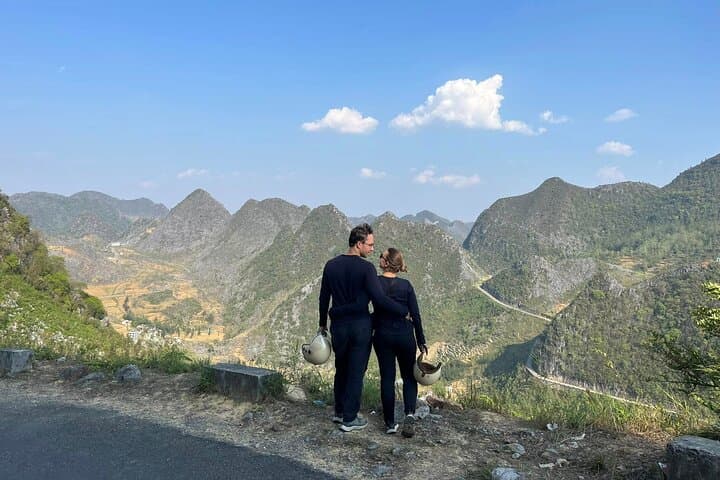
You step off the sleeper bus into a thin, cold pre-dawn air and the mountains already seem to be moving: ridgelines cutting the sky, fog sliding like a live thing through valleys. By midmorning you are on a motorbike, clutching a throttle that threads you through switchbacks, past the Quan Ba Heaven Gate and the twin domes of Quan Ba, with limestone cones rising like an older language of the land.
Verified experiences and guided adventures in the surrounding area.
Operated by Authentuc PU LUONG · Ha Giang, Ha Giang Province
You step off the sleeper bus into a thin, cold pre-dawn air and the mountains already seem to be moving: ridgelines cutting the sky, fog sliding like a live thing through valleys. By midmorning you are on a motorbike, clutching a throttle that threads you through switchbacks, past the Quan Ba Heaven Gate and the twin domes of Quan Ba, with limestone cones rising like an older language of the land.
This route runs on deep history and older geology. The Dong Van Karst Plateau is UNESCO-recognized for 400-million-year-old limestone sculpted into peaks, caves and narrow passes. Ethnic Hmong, Tay, and Dao communities live on these ridges; the Vuong Chinh Sinh Palace recalls a late 19th–early 20th century Hmong polity that ruled highland trade routes. Markets in Dong Van and Meo Vac still hum with barter, brocade and rice wine.
Expect a mix of paved and rough mountain roads, long climbs through hairpin passes like Ma Pi Leng, and a slow boat ride along the emerald Nho Que River where the water seems to dare you to look away. Nights are homestays or simple hostels with shared dorms and family meals.
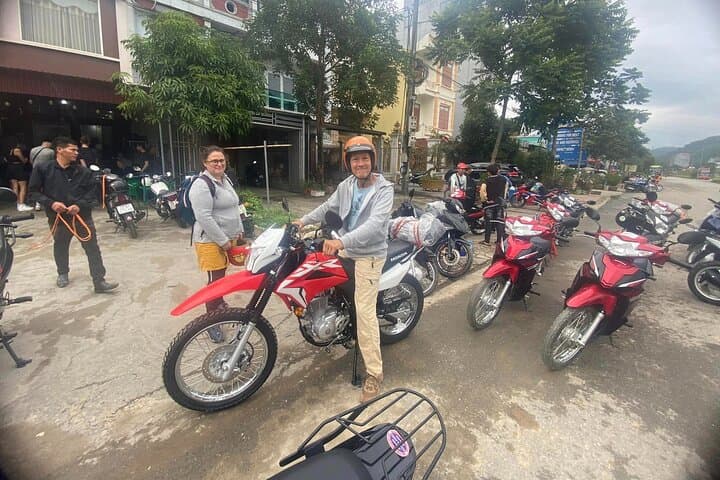
Practical edge: bring a well-maintained bike or accept the provided motorbike with fuel, pack layered, waterproof clothing, a quality helmet, and basic spares and tools. Road conditions vary, so ride conservatively and allow extra time for markets, viewpoints, and sudden weather. This tour balances spectacle with hands-on adventure — intense riding, deep cultural encounters, and landscapes that keep nudging you to stop, breathe, and look longer.
challenging.
4 days.
Good cardiovascular fitness and endurance for several long riding days and short hikes; able to mount and control a 125–250cc bike
Yes — if you plan to ride yourself, carry an internationally recognized license and check host-country rules; many tours provide a rider and passenger option.
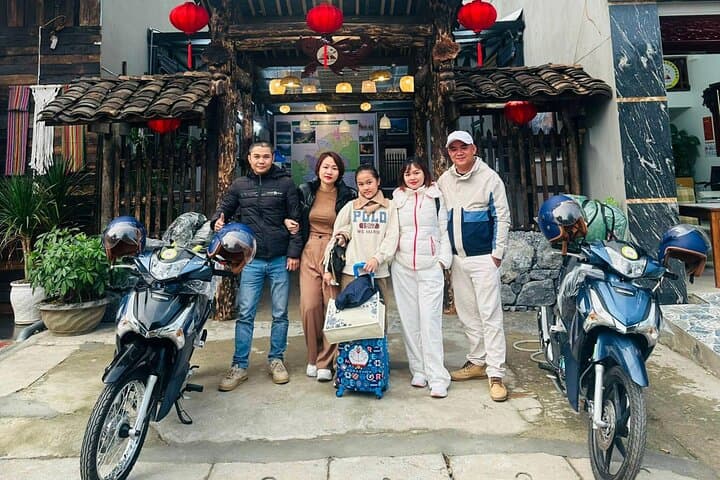
Expect a mix of simple hostels in Ha Giang and family-run homestays with dormitory beds, shared facilities, and home-cooked meals.
Spring and autumn are most stable with milder temperatures; summer brings rain that can make roads slippery, and winter can be cold with occasional frost at higher passes.
Novice riders can join as passengers or ride with caution, but experienced handling of steep, narrow, and sometimes gravel roads is strongly recommended.
This corridor was shaped by the Hmong confederations; Vuong Chinh Sinh Palace in Sa Phin recalls Hmong leadership and colonial-era power shifts.
The karst plateau is ecologically fragile—stick to roads and trails, avoid single-use plastics, and respect local agricultural plots and sacred sites.
Authentuc PU LUONG operates guided outdoor trips and adventures with an emphasis on safety, stewardship, and memorable experiences.
You step off the sleeper bus into a thin, cold pre-dawn air and the mountains already seem to be moving: ridgelines cutting the sky, fog sliding like a live thing through valleys. By midmorning you are on a motorbike, clutching a throttle that threads you through switchbacks, past the Quan Ba Heaven Gate and the twin domes of Quan Ba, with limestone cones rising like an older language of the land.
You step off the sleeper bus into a thin, cold pre-dawn air and the mountains already seem to be moving: ridgelines cutting the sky, fog sliding like a live thing through valleys. By midmorning you are on a motorbike, clutching a throttle that threads you through switchbacks, past the Quan Ba Heaven Gate and the twin domes of Quan Ba, with limestone cones rising like an older language of the land.
This route runs on deep history and older geology. The Dong Van Karst Plateau is UNESCO-recognized for 400-million-year-old limestone sculpted into peaks, caves and narrow passes. Ethnic Hmong, Tay, and Dao communities live on these ridges; the Vuong Chinh Sinh Palace recalls a late 19th–early 20th century Hmong polity that ruled highland trade routes. Markets in Dong Van and Meo Vac still hum with barter, brocade and rice wine.
Expect a mix of paved and rough mountain roads, long climbs through hairpin passes like Ma Pi Leng, and a slow boat ride along the emerald Nho Que River where the water seems to dare you to look away. Nights are homestays or simple hostels with shared dorms and family meals.
Practical edge: bring a well-maintained bike or accept the provided motorbike with fuel, pack layered, waterproof clothing, a quality helmet, and basic spares and tools. Road conditions vary, so ride conservatively and allow extra time for markets, viewpoints, and sudden weather. This tour balances spectacle with hands-on adventure — intense riding, deep cultural encounters, and landscapes that keep nudging you to stop, breathe, and look longer.