THE ADVENTURE COLLECTIVE® · Independent discovery and booking for outdoor travel

Drive and ride through Ha Giang’s highlands on a compact four‑day loop that mixes dramatic passes, ethnic villages, and the emerald Nho Que River. This tour balances active travel with cultural homestays and optional motorbike thrills led by experienced easyriders.
Drive and ride through Ha Giang’s highlands on a compact four‑day loop that mixes dramatic passes, ethnic villages, and the emerald Nho Que River. This tour balances active travel with cultural homestays and optional motorbike thrills led by experienced easyriders.
A thin mountain sun warms the wind as a convoy peels away from Ha Giang city and climbs into a landscape that seems to rearrange itself with every bend. Drivers and riders trade asphalt for switchbacks; the road narrows, cliffs lean closer, and the Nho Que River below dares you to look down. Villages coat the ridges in tile roofs and handwoven cloth; smoke from homestays threads the air.
Verified experiences and guided adventures in the surrounding area.
Operated by Vision Travel · Ha Giang, Ha Giang Province
A thin mountain sun warms the wind as a convoy peels away from Ha Giang city and climbs into a landscape that seems to rearrange itself with every bend. Drivers and riders trade asphalt for switchbacks; the road narrows, cliffs lean closer, and the Nho Que River below dares you to look down. Villages coat the ridges in tile roofs and handwoven cloth; smoke from homestays threads the air.
Geologically, this corner of northern Vietnam is ancient limestone folded into steep karst ridges and deep canyons—the Ma Pi Leng Pass cuts a razor across those folds while Tu San Canyon reveals the river’s slow, relentless carving. Culturally, Ha Giang is home to multiple ethnic groups: Hmong, Dao, Tay and others maintain distinct crafts and festivals; the Hmong King’s Palace and Dong Van Old Town trace a recent history of trade and regional governance.
Travelers can expect a mix of driving and short walks, homestay nights with simple comforts, and options to ride with an experienced easyrider or sit back in an air‑conditioned vehicle. Weather shifts fast at altitude—mornings can be crisp, afternoons warm, evenings cold; rivers and passes often create localized wind and fog that change visibility.
Practical guidance: prioritize a well-fitted helmet and layers, carry cash for small purchases and optional boat rides on the Nho Que, and be prepared for uneven village trails. Moderate fitness helps for short treks and cliffside viewpoints. Respect local customs: ask before photographing people, and leave no trace at fragile terraces and cave sites. This four‑day loop is an active, scenic introduction to Vietnam’s northern highlands—equal parts road, culture, and landscape.
moderate.
4 days (approx. 8–10 hours driving across multiple days).
Moderate: able to handle several hours of sitting with short walks of 20–90 minutes and basic stair/cliffside viewpoints.
No—there’s a car option and motorbikes with experienced easyriders; solo riders with experience may choose to ride themselves.
Homestays are simple with basic bedding and shared facilities; village visits involve short walks on uneven paths but no technical hiking.
Bring routine immunizations up to date, pack any personal medications, and prepare for motion sickness on winding roads; inform the operator of health or pregnancy concerns beforehand.
Ha Giang developed as a trading and ethnic crossroads; the Hmong King’s Palace in Dong Van dates to the early 20th century and reflects the region’s localized governance and cultural heritage.
Erosion and unmanaged tourism pressure threaten terraces and trails—stick to paths, avoid single‑use plastics, and support local homestays and artisans for sustainable benefits.
Vision Travel operates guided outdoor trips and adventures with an emphasis on safety, stewardship, and memorable experiences.
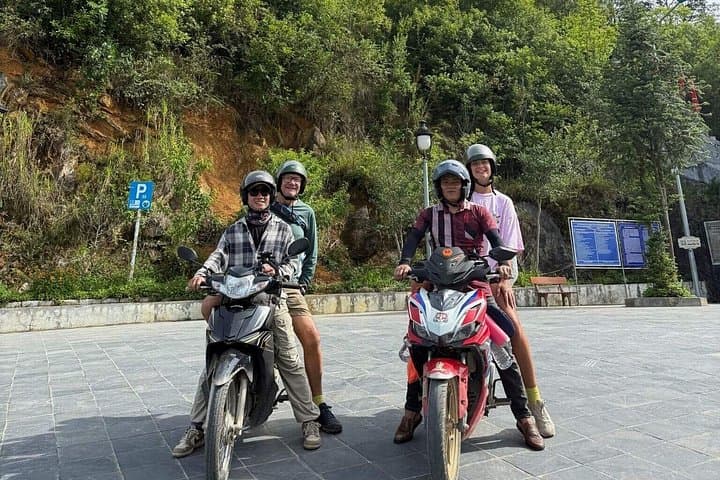
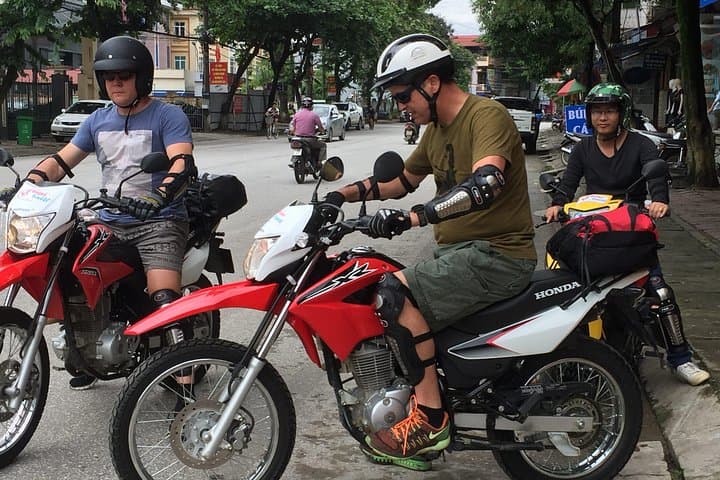
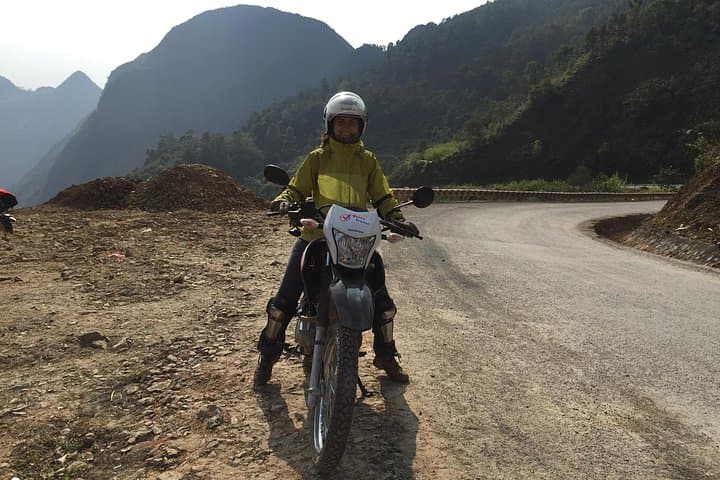
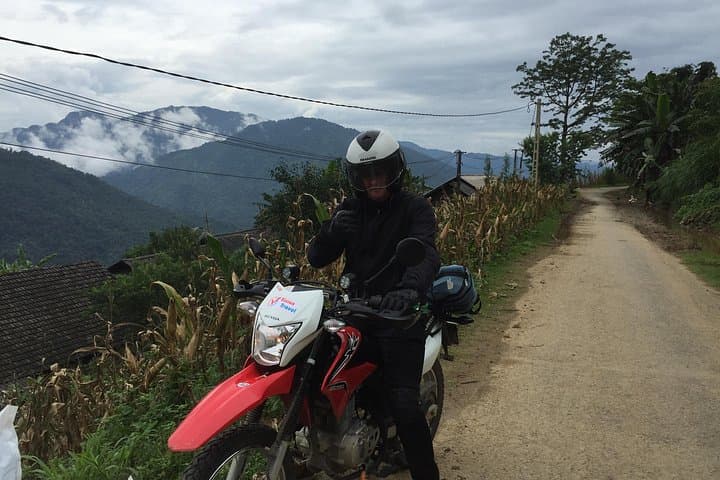
A thin mountain sun warms the wind as a convoy peels away from Ha Giang city and climbs into a landscape that seems to rearrange itself with every bend. Drivers and riders trade asphalt for switchbacks; the road narrows, cliffs lean closer, and the Nho Que River below dares you to look down. Villages coat the ridges in tile roofs and handwoven cloth; smoke from homestays threads the air.
A thin mountain sun warms the wind as a convoy peels away from Ha Giang city and climbs into a landscape that seems to rearrange itself with every bend. Drivers and riders trade asphalt for switchbacks; the road narrows, cliffs lean closer, and the Nho Que River below dares you to look down. Villages coat the ridges in tile roofs and handwoven cloth; smoke from homestays threads the air.
Geologically, this corner of northern Vietnam is ancient limestone folded into steep karst ridges and deep canyons—the Ma Pi Leng Pass cuts a razor across those folds while Tu San Canyon reveals the river’s slow, relentless carving. Culturally, Ha Giang is home to multiple ethnic groups: Hmong, Dao, Tay and others maintain distinct crafts and festivals; the Hmong King’s Palace and Dong Van Old Town trace a recent history of trade and regional governance.
Travelers can expect a mix of driving and short walks, homestay nights with simple comforts, and options to ride with an experienced easyrider or sit back in an air‑conditioned vehicle. Weather shifts fast at altitude—mornings can be crisp, afternoons warm, evenings cold; rivers and passes often create localized wind and fog that change visibility.
Practical guidance: prioritize a well-fitted helmet and layers, carry cash for small purchases and optional boat rides on the Nho Que, and be prepared for uneven village trails. Moderate fitness helps for short treks and cliffside viewpoints. Respect local customs: ask before photographing people, and leave no trace at fragile terraces and cave sites. This four‑day loop is an active, scenic introduction to Vietnam’s northern highlands—equal parts road, culture, and landscape.