THE ADVENTURE COLLECTIVE® · Independent discovery and booking for outdoor travel

Four days around Vietnam’s northernmost highlands: winding mountain passes, the Ma Pi Leng gorge, homestays in Dong Van and nights under Hmong hospitality. This compact loop mixes geology, culture and dramatic viewpoints with practical route rhythm for adventurous travelers.
Four days around Vietnam’s northernmost highlands: winding mountain passes, the Ma Pi Leng gorge, homestays in Dong Van and nights under Hmong hospitality. This compact loop mixes geology, culture and dramatic viewpoints with practical route rhythm for adventurous travelers.
You crest a pass and the mountains seem to rearrange themselves—terraced rice like steps cut into green cliffs, a river daring you below, and a road that threads the two. The first morning of the Ha Giang Loop begins with that motion: the engine hums, the wind pushes at your jacket, and the highland air feels both sharp and clean.
Verified experiences and guided adventures in the surrounding area.
Operated by StrawberryHouse · Ha Giang City, Ha Giang
You crest a pass and the mountains seem to rearrange themselves—terraced rice like steps cut into green cliffs, a river daring you below, and a road that threads the two. The first morning of the Ha Giang Loop begins with that motion: the engine hums, the wind pushes at your jacket, and the highland air feels both sharp and clean.
This stretch of northeastern Vietnam sits on ancient karst limestone and weathered sandstone; the geology carved deep gorges and the Nho Que River etched a canyon that keeps visitors wide-eyed. Culturally the region is Hmong, Tay and Lo Lo country—villages where linen weaving and century-old wooden houses tell stories of trade, migration and the Meo King's rise in the early 20th century. At Lung Cu the flag tower marks the nation’s northern edge; at the Meo King’s mansion you read history in ornate wood and Chinese-influenced design.
Practically: expect long driving days with short hikes and many lookout stops—Ma Pi Leng, Twin Mountains and the Sky Walk are vantage points rather than strenuous treks. Homestays in Yen Minh, Dong Van and Du Gia deliver hot rice, simple rooms and front-row access to sunrise over terraced fields. Weather shifts fast—sun can become downpour in an hour—and road surfaces range from paved to rutted switchbacks.
Bring layered clothing, cash for small fees and souvenirs, and patience for narrow, thrilling roads. Hydrate, protect electronics from rain and accept that some of the best views arrive after the steepest, slowest climb.
moderate.
4 days.
Basic fitness is sufficient—participants will mainly ride and walk short viewpoints; comfortable mobility and stamina for multiple short climbs help.
Most days focus on driving with several short walks to viewpoints and villages—expect moderate travel fatigue rather than sustained trekking.
Yes, homestays in Yen Minh, Dong Van and Du Gia are included; accommodations are basic, family-run and offer local meals and cultural exchange.
Yes, but seasons matter: summer brings heavy rain and slippery roads; winter is cold and dry with clearer skies—plan clothing accordingly.
The tour is designed for small groups with local guides; if riding a motorbike yourself, experience on mountain roads is strongly recommended.
Ha Giang’s loop crosses borderlands shaped by frontier trade and the Meo (Hmong) principality; the Meo King’s mansion reflects early 20th-century wealth and regional power structures.
The karst terrain and terraced fields are ecologically fragile—stay on trails, minimize single-use plastics and support community-based homestays to channel benefits locally.
StrawberryHouse operates guided outdoor trips and adventures with an emphasis on safety, stewardship, and memorable experiences.
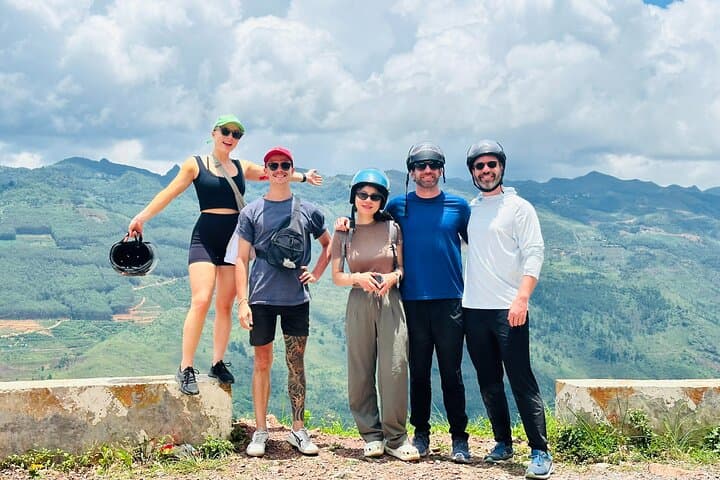
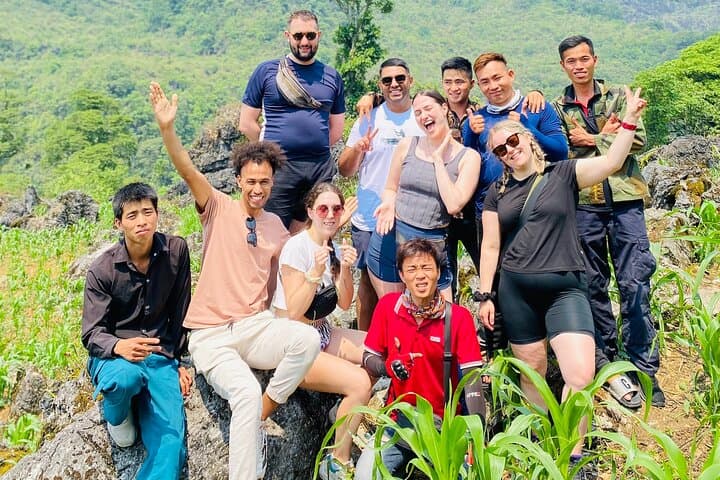
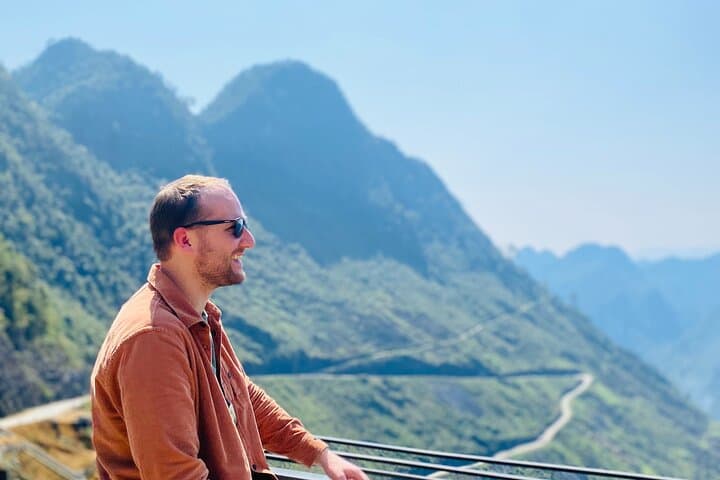
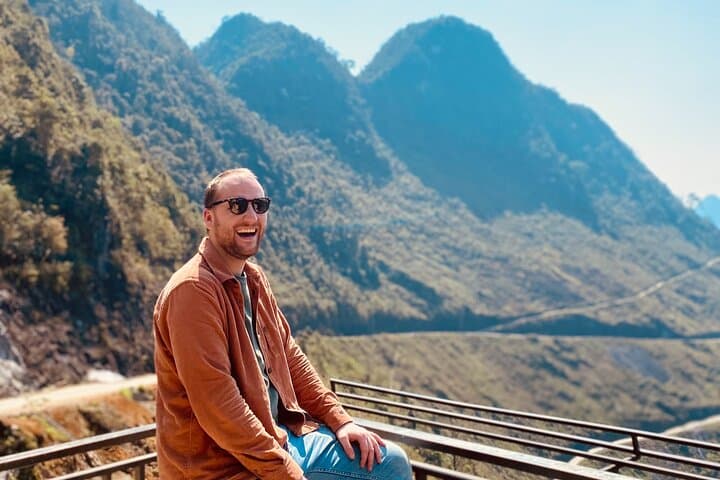
You crest a pass and the mountains seem to rearrange themselves—terraced rice like steps cut into green cliffs, a river daring you below, and a road that threads the two. The first morning of the Ha Giang Loop begins with that motion: the engine hums, the wind pushes at your jacket, and the highland air feels both sharp and clean.
You crest a pass and the mountains seem to rearrange themselves—terraced rice like steps cut into green cliffs, a river daring you below, and a road that threads the two. The first morning of the Ha Giang Loop begins with that motion: the engine hums, the wind pushes at your jacket, and the highland air feels both sharp and clean.
This stretch of northeastern Vietnam sits on ancient karst limestone and weathered sandstone; the geology carved deep gorges and the Nho Que River etched a canyon that keeps visitors wide-eyed. Culturally the region is Hmong, Tay and Lo Lo country—villages where linen weaving and century-old wooden houses tell stories of trade, migration and the Meo King's rise in the early 20th century. At Lung Cu the flag tower marks the nation’s northern edge; at the Meo King’s mansion you read history in ornate wood and Chinese-influenced design.
Practically: expect long driving days with short hikes and many lookout stops—Ma Pi Leng, Twin Mountains and the Sky Walk are vantage points rather than strenuous treks. Homestays in Yen Minh, Dong Van and Du Gia deliver hot rice, simple rooms and front-row access to sunrise over terraced fields. Weather shifts fast—sun can become downpour in an hour—and road surfaces range from paved to rutted switchbacks.
Bring layered clothing, cash for small fees and souvenirs, and patience for narrow, thrilling roads. Hydrate, protect electronics from rain and accept that some of the best views arrive after the steepest, slowest climb.