THE ADVENTURE COLLECTIVE® · Independent discovery and booking for outdoor travel

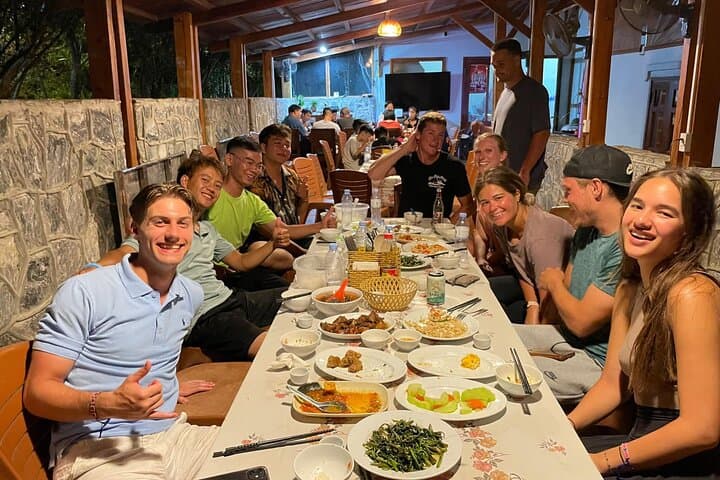
Ride the Ha Giang Loop from Cat Ba across Ma Pi Leng Pass, through limestone gorges and ethnic markets on a four-day guided motorbike tour with a seasoned rider. Expect long days, remote roads, and evenings in homestays where local culture meets mountain hospitality.
Ride the Ha Giang Loop from Cat Ba across Ma Pi Leng Pass, through limestone gorges and ethnic markets on a four-day guided motorbike tour with a seasoned rider. Expect long days, remote roads, and evenings in homestays where local culture meets mountain hospitality.
You crest Ma Pi Leng at dawn and the valley below seems to inhale — rivers threading jade between limestone teeth, terraces stepping down like careful hands. Engines purr; your rider leans into a hairpin and the road unspools beneath you. This is the Ha Giang Loop: four days of high passes, karst cliffs, marketplaces where languages crisscross, and nights in homestays where woodsmoke and stories blur.
Verified experiences and guided adventures in the surrounding area.
Operated by TripBestie Ha Giang · Ha Giang, Ha Giang Province
You crest Ma Pi Leng at dawn and the valley below seems to inhale — rivers threading jade between limestone teeth, terraces stepping down like careful hands. Engines purr; your rider leans into a hairpin and the road unspools beneath you. This is the Ha Giang Loop: four days of high passes, karst cliffs, marketplaces where languages crisscross, and nights in homestays where woodsmoke and stories blur.
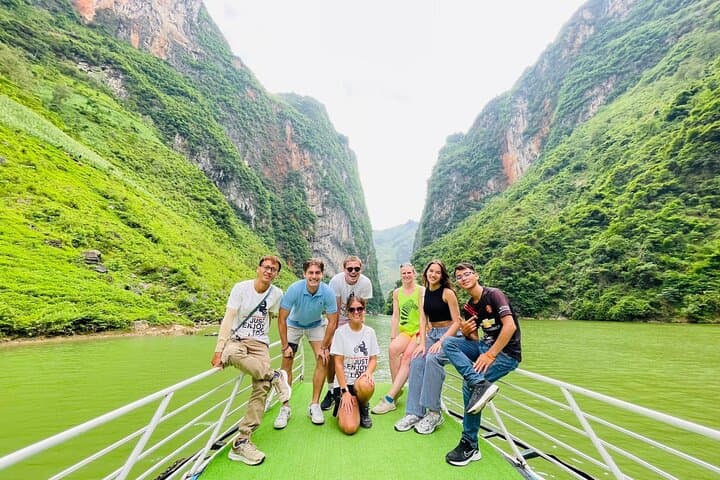
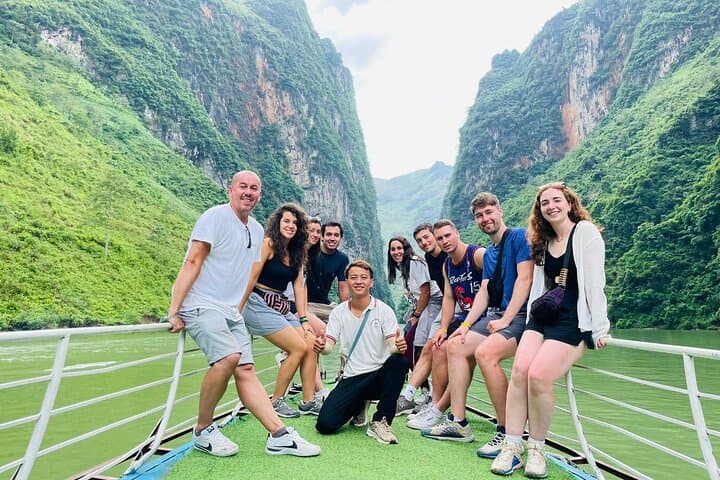
The region sits on the Dong Van Karst Plateau, formed from ancient reef limestone uplifted and carved into cliffs and canyons. Ma Pi Leng and the Tu San Gorge cut dramatic lines through that geology; the Nho Que River, squeezed between cliffs, reveals sediments and fossils that mark a slow, deep history. Culturally, the plateau hosts Hmong, Dao, Tay and other minority groups—markets and weaving villages like Lung Tam preserve crafts and textiles woven for generations.
Practical guidance: tours typically include a rider and protective gear, sleeper-bus transfers, and mixed lodging—hostels, hotels and homestays. Expect long riding days (100–250 km per day), narrow roads, and rapid weather changes. Pack layered waterproofs, a sturdy helmet (one is provided but bring your own for fit), and motion-sickness or cold-weather gear for pre-dawn starts on passes. Hydrate regularly; high-altitude sun plus wind dries you faster than you think.
Timing matters: visit in dry months for cleaner roads and clearer views; leave flexible time for market days and a boat trip down Nho Que. Respect local customs at homestays and market stalls—simple gestures go far.
challenging.
4 days.
Moderate to good cardiovascular fitness; ability to sit and brace for several hours each day is helpful.
No—the tour provides a seasoned rider; guests ride as pillions unless a self-ride option is arranged in advance.
Yes, high-quality helmets, coats, and basic protectors are provided; bringing personal gear for fit and comfort is recommended.
Daily distances vary widely—expect 100–250 km on riding days with multiple stops for viewpoints and markets.
Full refund is available if you cancel at least 24 hours before departure; check the operator for any exceptions.
The Dong Van Plateau has long been a crossroads for ethnic minorities and traders; the Hmong King’s Palace reflects early 20th-century local power and Sino-French architectural fusion.
The plateau’s karst ecosystem is sensitive to erosion and litter; travelers should stick to trails, limit single-use plastics, and support local homestays that practice sustainable waste disposal.
TripBestie Ha Giang operates guided outdoor trips and adventures with an emphasis on safety, stewardship, and memorable experiences.
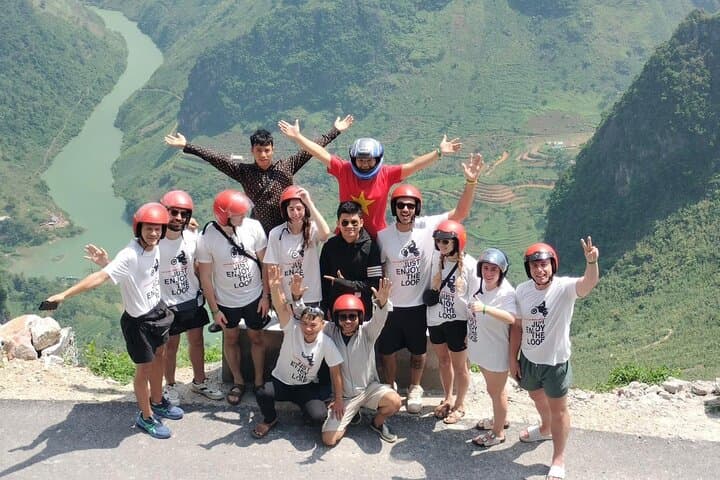
You crest Ma Pi Leng at dawn and the valley below seems to inhale — rivers threading jade between limestone teeth, terraces stepping down like careful hands. Engines purr; your rider leans into a hairpin and the road unspools beneath you. This is the Ha Giang Loop: four days of high passes, karst cliffs, marketplaces where languages crisscross, and nights in homestays where woodsmoke and stories blur.
You crest Ma Pi Leng at dawn and the valley below seems to inhale — rivers threading jade between limestone teeth, terraces stepping down like careful hands. Engines purr; your rider leans into a hairpin and the road unspools beneath you. This is the Ha Giang Loop: four days of high passes, karst cliffs, marketplaces where languages crisscross, and nights in homestays where woodsmoke and stories blur.
The region sits on the Dong Van Karst Plateau, formed from ancient reef limestone uplifted and carved into cliffs and canyons. Ma Pi Leng and the Tu San Gorge cut dramatic lines through that geology; the Nho Que River, squeezed between cliffs, reveals sediments and fossils that mark a slow, deep history. Culturally, the plateau hosts Hmong, Dao, Tay and other minority groups—markets and weaving villages like Lung Tam preserve crafts and textiles woven for generations.
Practical guidance: tours typically include a rider and protective gear, sleeper-bus transfers, and mixed lodging—hostels, hotels and homestays. Expect long riding days (100–250 km per day), narrow roads, and rapid weather changes. Pack layered waterproofs, a sturdy helmet (one is provided but bring your own for fit), and motion-sickness or cold-weather gear for pre-dawn starts on passes. Hydrate regularly; high-altitude sun plus wind dries you faster than you think.
Timing matters: visit in dry months for cleaner roads and clearer views; leave flexible time for market days and a boat trip down Nho Que. Respect local customs at homestays and market stalls—simple gestures go far.