THE ADVENTURE COLLECTIVE® · Independent discovery and booking for outdoor travel

Ride the Ha Giang Loop over four days with a local Easy Rider—experience limestone passes, river canyons and hill-tribe homestays while covering roughly 300–350 km across the Dong Van Karst Plateau.
Ride the Ha Giang Loop over four days with a local Easy Rider—experience limestone passes, river canyons and hill-tribe homestays while covering roughly 300–350 km across the Dong Van Karst Plateau.
You lift your helmet and the high plateau exhales: wind carving along limestone ridges, terraces stepping down toward the Nho Quế River. Riding pillion behind a local Easy Rider, the road unfurls—hairpins, sheer drops and sudden village markets where children wave and dogs dart through the dust.
Verified experiences and guided adventures in the surrounding area.
Operated by Charming Tourist · Ha Giang, Ha Giang Province
You lift your helmet and the high plateau exhales: wind carving along limestone ridges, terraces stepping down toward the Nho Quế River. Riding pillion behind a local Easy Rider, the road unfurls—hairpins, sheer drops and sudden village markets where children wave and dogs dart through the dust.
This four-day loop threads Ha Giang City through Quan Ba’s Twin Mountains, up to the Dong Van Karst Plateau and over the famed Mã Pì Lèng Pass. The plateau’s karst geology—pale, jagged limestone and stacked cliffs—records millions of years of uplift and erosion; culturally the route crosses H’mong, Dao and Tay communities, with Vuong’s Palace in Sa Phin a reminder of local rule and craft. Rivers dare you to look over their edges; the Nho Quế slices a deep canyon visible from the Sky Path viewpoint.
Expect long riding days (the full loop is roughly 300–350 km by road) interspersed with short treks from hilltop villages to river overlooks. Nights are in simple hotels and homestays—brocade weaving, communal meals and local songs are part of the itinerary.
Practical edge: pack layered clothing and a compact rain shell, carry cash (ATMs are scarce), and be ready for unpaved sections and steep switchbacks. Bring sturdy shoes for the short hikes around Ma Pi Lèng and Sả Lủng and allow extra time for photography and village visits. The route is rewarding but remote—travel with local guides, respect community customs, and leave no trace.
moderate.
4 days.
Comfortable with multiple hours on a motorbike plus several short uphill hikes; basic stamina and balance for uneven trails.
No—this tour uses a professional Easy Rider as your driver-guide; as a pillion you should be comfortable sitting for multiple hours and following safety instructions.
Nights alternate between simple hotels and family-run homestays offering basic private rooms and shared facilities with home-cooked meals.
The route includes rough roads and long riding days; it’s not recommended for pregnant travelers and families should assess comfort with long vehicle travel for young children.
Most meals listed in the itinerary and entrance fees to attractions are included—bring extra cash for optional purchases, snacks and tips.
The Dong Van Karst Plateau has long been home to H’Mong and other minorities; Vuong’s Palace in Sa Phin marks the early 20th-century local chieftain’s seat.
The karst landscape is fragile—stick to roads and trails, support homestays for community benefits, and avoid single-use plastics in remote areas.
Charming Tourist operates guided outdoor trips and adventures with an emphasis on safety, stewardship, and memorable experiences.
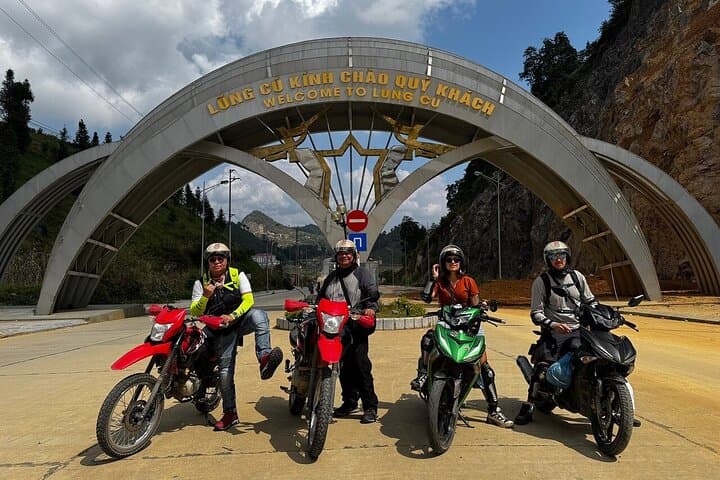
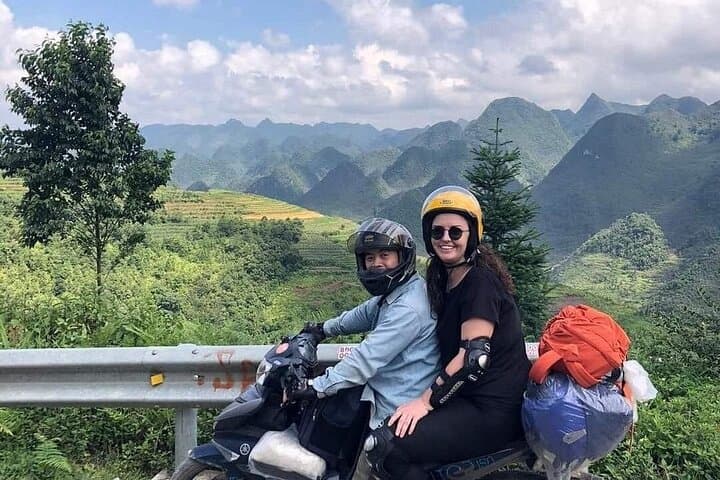
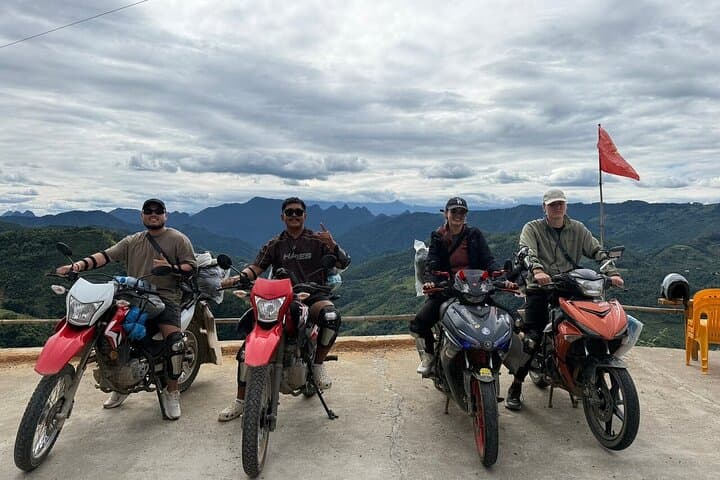
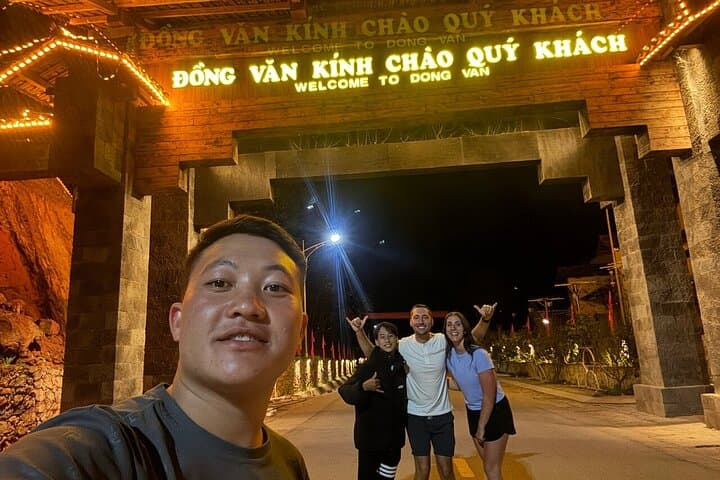
You lift your helmet and the high plateau exhales: wind carving along limestone ridges, terraces stepping down toward the Nho Quế River. Riding pillion behind a local Easy Rider, the road unfurls—hairpins, sheer drops and sudden village markets where children wave and dogs dart through the dust.
You lift your helmet and the high plateau exhales: wind carving along limestone ridges, terraces stepping down toward the Nho Quế River. Riding pillion behind a local Easy Rider, the road unfurls—hairpins, sheer drops and sudden village markets where children wave and dogs dart through the dust.
This four-day loop threads Ha Giang City through Quan Ba’s Twin Mountains, up to the Dong Van Karst Plateau and over the famed Mã Pì Lèng Pass. The plateau’s karst geology—pale, jagged limestone and stacked cliffs—records millions of years of uplift and erosion; culturally the route crosses H’mong, Dao and Tay communities, with Vuong’s Palace in Sa Phin a reminder of local rule and craft. Rivers dare you to look over their edges; the Nho Quế slices a deep canyon visible from the Sky Path viewpoint.
Expect long riding days (the full loop is roughly 300–350 km by road) interspersed with short treks from hilltop villages to river overlooks. Nights are in simple hotels and homestays—brocade weaving, communal meals and local songs are part of the itinerary.
Practical edge: pack layered clothing and a compact rain shell, carry cash (ATMs are scarce), and be ready for unpaved sections and steep switchbacks. Bring sturdy shoes for the short hikes around Ma Pi Lèng and Sả Lủng and allow extra time for photography and village visits. The route is rewarding but remote—travel with local guides, respect community customs, and leave no trace.