THE ADVENTURE COLLECTIVE® · Independent discovery and booking for outdoor travel

Drive the Ha Giang Loop over four days to cross the Dong Van Karst Plateau, scale Ma Pi Leng’s viewpoints and visit Lung Cu Flag Tower. This car tour balances long scenic drives with homestay nights, village markets and UNESCO-listed geology.
Drive the Ha Giang Loop over four days to cross the Dong Van Karst Plateau, scale Ma Pi Leng’s viewpoints and visit Lung Cu Flag Tower. This car tour balances long scenic drives with homestay nights, village markets and UNESCO-listed geology.
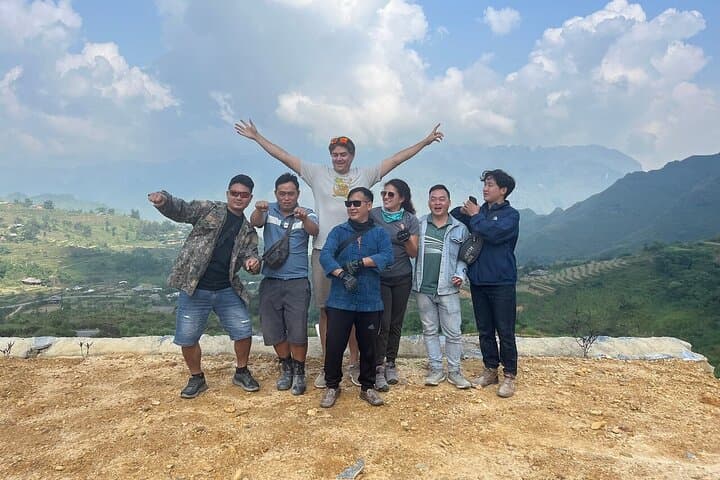
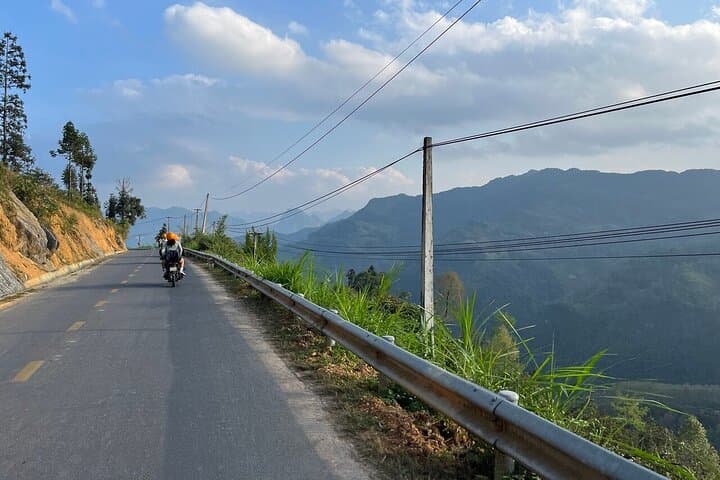
The road rises and tightens, a ribbon of asphalt carving through limestone ribs as the car climbs out of Ha Giang city toward the Dong Van Karst Plateau. On this four-day, three-night circuit passengers watch terraces and rocky mesas slip past the windows, stepping down at high passes and village markets to feel the altitude and meet the people who live here.
Verified experiences and guided adventures in the surrounding area.
Operated by Authentic SAPA · Ha Giang, Ha Giang
The road rises and tightens, a ribbon of asphalt carving through limestone ribs as the car climbs out of Ha Giang city toward the Dong Van Karst Plateau. On this four-day, three-night circuit passengers watch terraces and rocky mesas slip past the windows, stepping down at high passes and village markets to feel the altitude and meet the people who live here.
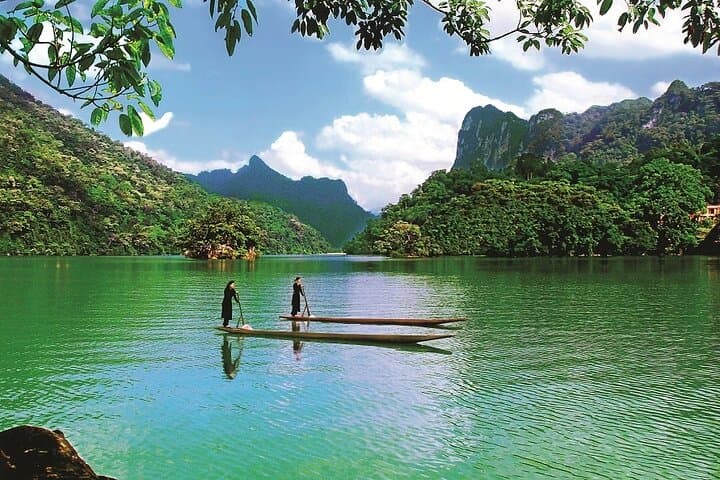
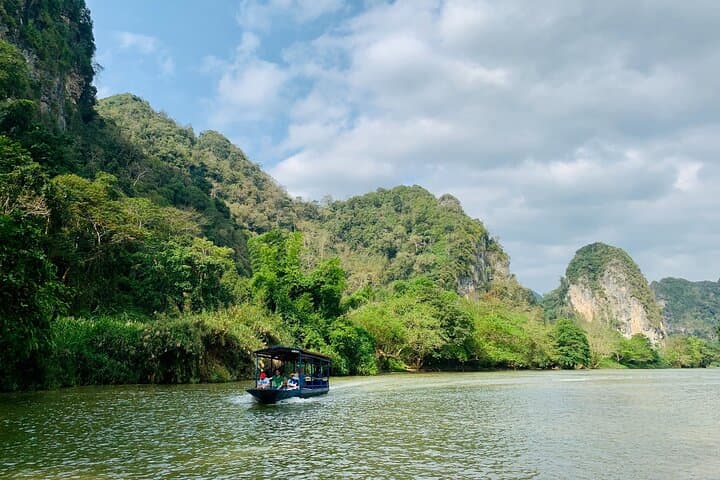
This loop traces UNESCO-recognized geology across Ha Giang Province: the Dong Van Karst Plateau’s jagged limestone, the twin cones viewed from Quan Ba Heaven Gate (about 1,500 m), and the Lung Cu Flag Tower at roughly 1,470 m marking Vietnam’s northern tip. Ma Pi Leng Pass cuts a dramatic spine above the emerald Nho Que River; nearby Tu San Canyon reveals panels of exposed karst and steep gorge walls carved over millennia. The route threads Hmong and Dao villages, the Hmong King’s Palace, and Dong Van old quarter — places where French-colonial and ethnic architectures meet.
Practical guidance: the itinerary is primarily driven (day 1: ~350 km Hanoi–Ha Giang; day 2: ~175 km Ha Giang–Dong Van; day 3: ~60 km Meo Vac loop; day 4: return), with short walks, viewpoints and homestay evenings. Roads can be narrow, weather shifts quickly, and mornings are coolest; pack layers, sun protection and motion-sickness remedies. Carry cash for remote stalls, and allow time for photography at Ma Pi Leng and village markets. Expect simple 2‑star hotels and homestays, English-speaking guides, and meals included on most days. The Loop rewards patience with sudden vistas: cliffs that dare you forward, rivers that push the eye along the gorge, and villages that keep their own steady pace.
easy.
4 days, 3 nights.
Minimal fitness required for the driving-focused itinerary; be prepared for short walks, stairs at viewpoints and uneven village tracks.
Pickup is in Hanoi (Old Quarter or Opera House) with a return to Hanoi at the end; nights are spent in Ha Giang, Dong Van and a Meo Vac homestay.
The tour is driving-heavy and suitable for most fitness levels; expect short walks, steps at viewpoints and the occasional rough village path.
Most breakfasts, lunches and dinners listed in the itinerary are included; several entrance fees and boat tickets noted in the inclusions are covered as stated.
The operator recommends caution for pregnant travelers and those with spinal or serious cardiovascular issues; children can join but prepare for long drive segments.
The region is home to multiple ethnic groups (Hmong, Dao, Tay and others); the Hmong King’s Palace reflects the area’s complex late-19th/early-20th-century social history.
The Dong Van Karst Plateau is a UNESCO Global Geopark; visitors should minimize waste, stay on designated paths and avoid disturbing fragile karst and farmland.
Authentic SAPA operates guided outdoor trips and adventures with an emphasis on safety, stewardship, and memorable experiences.
The road rises and tightens, a ribbon of asphalt carving through limestone ribs as the car climbs out of Ha Giang city toward the Dong Van Karst Plateau. On this four-day, three-night circuit passengers watch terraces and rocky mesas slip past the windows, stepping down at high passes and village markets to feel the altitude and meet the people who live here.
The road rises and tightens, a ribbon of asphalt carving through limestone ribs as the car climbs out of Ha Giang city toward the Dong Van Karst Plateau. On this four-day, three-night circuit passengers watch terraces and rocky mesas slip past the windows, stepping down at high passes and village markets to feel the altitude and meet the people who live here.
This loop traces UNESCO-recognized geology across Ha Giang Province: the Dong Van Karst Plateau’s jagged limestone, the twin cones viewed from Quan Ba Heaven Gate (about 1,500 m), and the Lung Cu Flag Tower at roughly 1,470 m marking Vietnam’s northern tip. Ma Pi Leng Pass cuts a dramatic spine above the emerald Nho Que River; nearby Tu San Canyon reveals panels of exposed karst and steep gorge walls carved over millennia. The route threads Hmong and Dao villages, the Hmong King’s Palace, and Dong Van old quarter — places where French-colonial and ethnic architectures meet.
Practical guidance: the itinerary is primarily driven (day 1: ~350 km Hanoi–Ha Giang; day 2: ~175 km Ha Giang–Dong Van; day 3: ~60 km Meo Vac loop; day 4: return), with short walks, viewpoints and homestay evenings. Roads can be narrow, weather shifts quickly, and mornings are coolest; pack layers, sun protection and motion-sickness remedies. Carry cash for remote stalls, and allow time for photography at Ma Pi Leng and village markets. Expect simple 2‑star hotels and homestays, English-speaking guides, and meals included on most days. The Loop rewards patience with sudden vistas: cliffs that dare you forward, rivers that push the eye along the gorge, and villages that keep their own steady pace.