THE ADVENTURE COLLECTIVE® · Independent discovery and booking for outdoor travel

A four‑day circuit across Vietnam’s northern karst plateau that pairs jaw‑dropping passes like Ma Pi Leng with homestay nights among Hmong and Dao communities. Expect long driving days, dramatic viewpoints and hands‑on cultural encounters.
A four‑day circuit across Vietnam’s northern karst plateau that pairs jaw‑dropping passes like Ma Pi Leng with homestay nights among Hmong and Dao communities. Expect long driving days, dramatic viewpoints and hands‑on cultural encounters.
You climb out of Ha Giang town before dawn, headlights cutting through low cloud as the road tightens into hairpin after hairpin. The Bac Sum slopes open into a pocket of wind and rice terraces; the Twin Peaks at Quan Ba rise like quiet sentinels above a coffee stall where locals trade greetings. By the time you reach Ma Pi Leng the Nho Que River is a thin silver thread daring you to look over the edge.
Verified experiences and guided adventures in the surrounding area.
Operated by Saparis Horizon Travel · Ha Giang, Ha Giang Province
You climb out of Ha Giang town before dawn, headlights cutting through low cloud as the road tightens into hairpin after hairpin. The Bac Sum slopes open into a pocket of wind and rice terraces; the Twin Peaks at Quan Ba rise like quiet sentinels above a coffee stall where locals trade greetings. By the time you reach Ma Pi Leng the Nho Que River is a thin silver thread daring you to look over the edge.
This four‑day loop threads together geology and living culture. The Dong Van Karst Plateau—recognized as a geopark—carries limestone ridges carved by millennia, while the Vuong family palace and Lung Cu flag tower mark local history and identity. Ethnic Hmong, Dao and Tay communities keep textile, weaving and culinary traditions alive in hamlets where homestays are more than beds: they’re cultural exchanges.
Expect long driving days punctuated by short walks and viewpoint stops; roads are narrow, steep and spectacular. Weather shifts fast—fog can sit in passes, then clear to bright sun. Nights in homestays are basic but warm: shared meals, wood fires and the cadence of the highlands.
Practical guidance: schedule early departures to avoid midday clouds at viewpoints; keep cash for markets and entry fees; bring layered clothing, a waterproof shell and closed shoes for village walks. If you’re sensitive to motion, choose a private car or ask for frequent stops—motorbike riders should have experience on steep, uneven mountain roads. Respect local customs: ask before photographing people and accept invitations to sit and eat. With reasonable fitness and flexible timing, this loop is an immersive, attainable highland journey.
moderate.
4 days.
Suitable for travelers with basic fitness who can handle long vehicle days and short village walks; minimal hiking required.
Late September to November offers the best visibility and cooler weather; spring is also attractive for flowering and clearer skies.
Homestays vary from simple rooms with shared bathrooms to modest private rooms; heating is limited—expect rustic hospitality and locally cooked meals.
No—this private tour uses cars, but motorbike options exist; riding the loop requires experience on steep, winding mountain roads.
Altitudes reach around 1,200–1,500 m with limited medical facilities—those with cardiovascular or serious mobility issues should consult a doctor and consider a gentler itinerary.
The Dong Van Karst Plateau is a UNESCO Global Geopark, shaped by ancient limestone uplift and long-inhabited by Hmong, Dao and Tày communities whose architecture and markets reflect centuries of highland life.
Tourism brings income but stress to fragile terraced landscapes—stick to paths, avoid single-use plastics, and prioritize community-run homestays and local guides.
Saparis Horizon Travel operates guided outdoor trips and adventures with an emphasis on safety, stewardship, and memorable experiences.
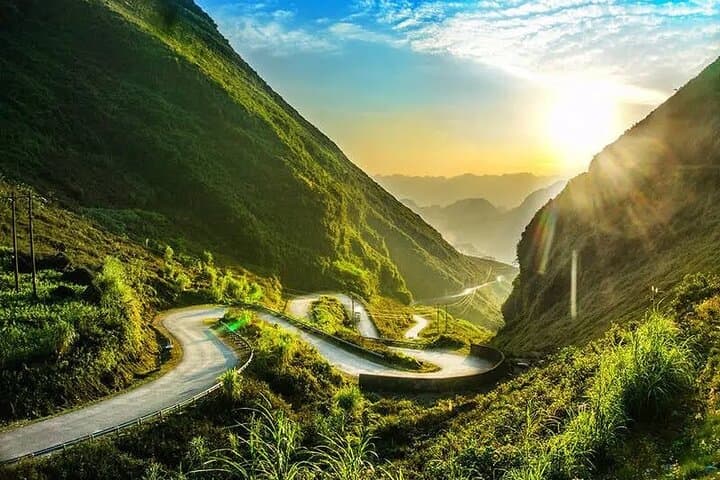
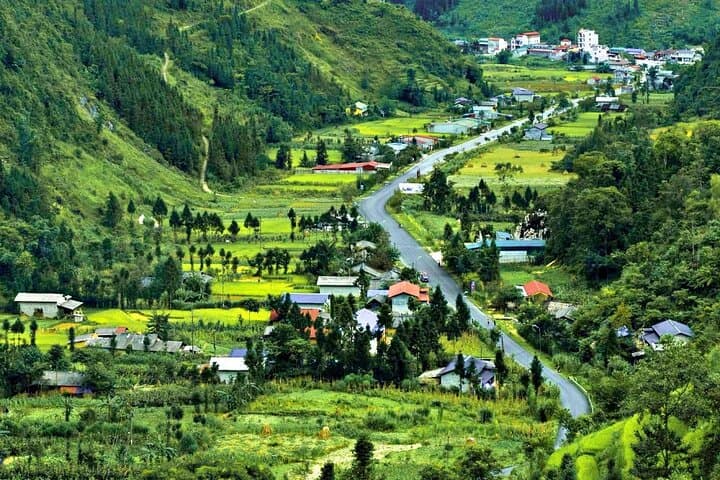
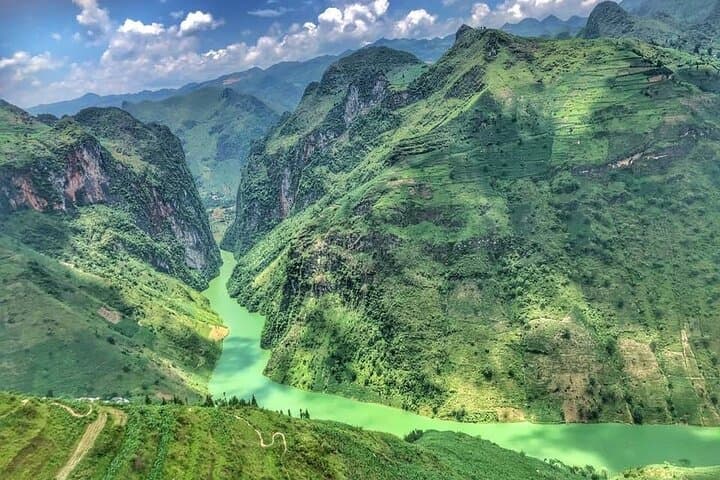
You climb out of Ha Giang town before dawn, headlights cutting through low cloud as the road tightens into hairpin after hairpin. The Bac Sum slopes open into a pocket of wind and rice terraces; the Twin Peaks at Quan Ba rise like quiet sentinels above a coffee stall where locals trade greetings. By the time you reach Ma Pi Leng the Nho Que River is a thin silver thread daring you to look over the edge.
You climb out of Ha Giang town before dawn, headlights cutting through low cloud as the road tightens into hairpin after hairpin. The Bac Sum slopes open into a pocket of wind and rice terraces; the Twin Peaks at Quan Ba rise like quiet sentinels above a coffee stall where locals trade greetings. By the time you reach Ma Pi Leng the Nho Que River is a thin silver thread daring you to look over the edge.
This four‑day loop threads together geology and living culture. The Dong Van Karst Plateau—recognized as a geopark—carries limestone ridges carved by millennia, while the Vuong family palace and Lung Cu flag tower mark local history and identity. Ethnic Hmong, Dao and Tay communities keep textile, weaving and culinary traditions alive in hamlets where homestays are more than beds: they’re cultural exchanges.
Expect long driving days punctuated by short walks and viewpoint stops; roads are narrow, steep and spectacular. Weather shifts fast—fog can sit in passes, then clear to bright sun. Nights in homestays are basic but warm: shared meals, wood fires and the cadence of the highlands.
Practical guidance: schedule early departures to avoid midday clouds at viewpoints; keep cash for markets and entry fees; bring layered clothing, a waterproof shell and closed shoes for village walks. If you’re sensitive to motion, choose a private car or ask for frequent stops—motorbike riders should have experience on steep, uneven mountain roads. Respect local customs: ask before photographing people and accept invitations to sit and eat. With reasonable fitness and flexible timing, this loop is an immersive, attainable highland journey.