THE ADVENTURE COLLECTIVE® · Independent discovery and booking for outdoor travel

A compact three-day circuit through Vietnam’s northern karst highlands, the Ha Giang Loop packs epic mountain passes, ethnic hamlets and river canyons into a small-group trip. Expect village homestays, dramatic viewpoints like Ma Pi Leng, and guided logistics from Ha Giang city.
A compact three-day circuit through Vietnam’s northern karst highlands, the Ha Giang Loop packs epic mountain passes, ethnic hamlets and river canyons into a small-group trip. Expect village homestays, dramatic viewpoints like Ma Pi Leng, and guided logistics from Ha Giang city.
Morning light slices the limestone ridges as the convoy peels away from Ha Giang city — the road a ribbon threading villages, switchbacks and sheer drops. Riders and bus passengers alike feel the mountains push and pull: wind pushing forward along exposed passes, valleys holding mist like a secret.
Verified experiences and guided adventures in the surrounding area.
Operated by Vietnam Mountain Tours · Ha Giang, Ha Giang Province
Morning light slices the limestone ridges as the convoy peels away from Ha Giang city — the road a ribbon threading villages, switchbacks and sheer drops. Riders and bus passengers alike feel the mountains push and pull: wind pushing forward along exposed passes, valleys holding mist like a secret.
Over three days the loop stages dramatic vantage points: Quan Ba’s Heaven Gate at roughly 1,500 m, the Hmong King Palace in Sa Phin and the spine-tingling sweep of Ma Pi Leng above the Nho Que River. Geologically, this is old karst country — hard limestone carved into ribs, clefts and dramatic cliffs that channel cloud and rain. Culturally, the route crosses Hmong, Dao and other northerly minority communities; traditional linen weaving at Lung Tam and the markets of Dong Van reveal living customs and crafts.
Expect a balance of time on narrow mountain roads and walking short village stretches; homestays and simple hotels punctuate the nights. Photographers will linger at river bends; quiet seekers will find Du Gia’s terraces and A Boong waterfall nearly silent.
Practical guidance: bring layered clothing for big temperature swings, a reliable rain shell, and good ankle-support shoes for short walks. Hydrate and pace yourself — hairpin roads demand alertness. The tour includes food, entrance fees and an English-speaking guide; transportation is typically arranged from Hanoi to Ha Giang. Weather can close high passes; build flexibility into travel plans and respect local farming rhythms when visiting villages.
moderate.
3 days.
Suitable for travelers in average physical condition; able to handle several hours of travel per day and short uphill walks.
No — the tour is arranged with drivers and vehicles; the “easy rider” option uses experienced local riders for some segments but passengers can ride as pillion or travel by bus/van as organized.
Accommodation is a mix of simple hotels and homestays; expect basic facilities and the chance to experience local family hospitality.
Children can join but infants must sit on laps; the itinerary is not recommended for travelers with serious back or heart conditions due to long drives and bumpy roads.
Heavy rain or fog can close high passes like Ma Pi Leng; operators may reroute or delay sections for safety, so allow flexible travel time.
Ha Giang’s uplands have long been home to Hmong, Dao and other ethnic groups; the Hmong King Palace reflects the region’s 20th-century local leadership and trade history.
The karst ridgelines and river canyons are sensitive to erosion and litter; support local guides and avoid single-use plastics to minimize impact.
Vietnam Mountain Tours operates guided outdoor trips and adventures with an emphasis on safety, stewardship, and memorable experiences.
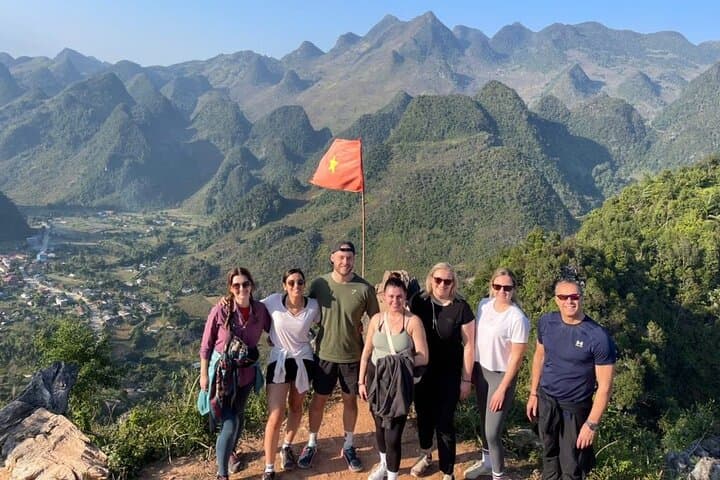
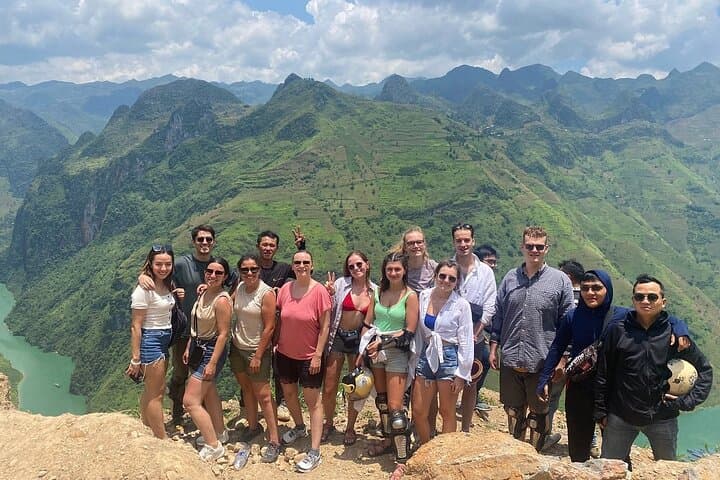
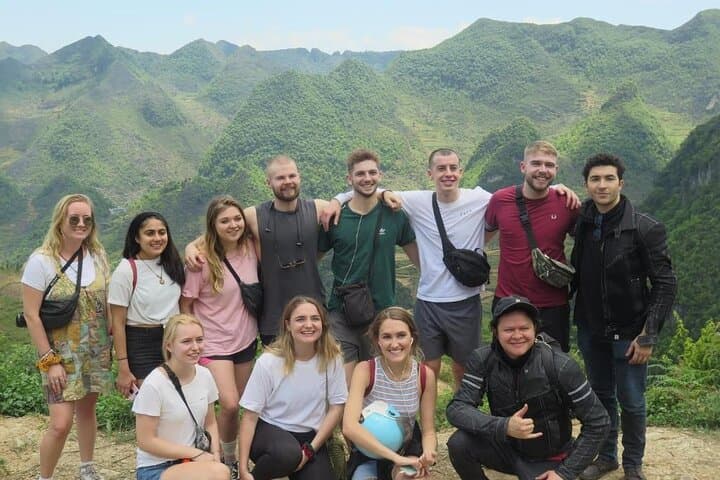
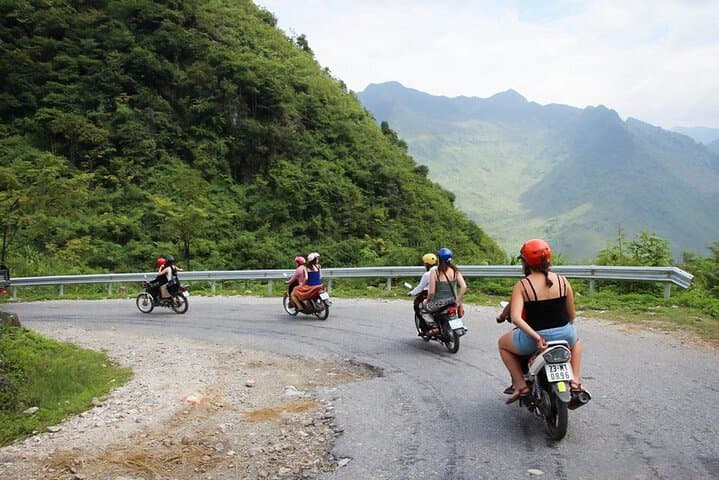
Morning light slices the limestone ridges as the convoy peels away from Ha Giang city — the road a ribbon threading villages, switchbacks and sheer drops. Riders and bus passengers alike feel the mountains push and pull: wind pushing forward along exposed passes, valleys holding mist like a secret.
Morning light slices the limestone ridges as the convoy peels away from Ha Giang city — the road a ribbon threading villages, switchbacks and sheer drops. Riders and bus passengers alike feel the mountains push and pull: wind pushing forward along exposed passes, valleys holding mist like a secret.
Over three days the loop stages dramatic vantage points: Quan Ba’s Heaven Gate at roughly 1,500 m, the Hmong King Palace in Sa Phin and the spine-tingling sweep of Ma Pi Leng above the Nho Que River. Geologically, this is old karst country — hard limestone carved into ribs, clefts and dramatic cliffs that channel cloud and rain. Culturally, the route crosses Hmong, Dao and other northerly minority communities; traditional linen weaving at Lung Tam and the markets of Dong Van reveal living customs and crafts.
Expect a balance of time on narrow mountain roads and walking short village stretches; homestays and simple hotels punctuate the nights. Photographers will linger at river bends; quiet seekers will find Du Gia’s terraces and A Boong waterfall nearly silent.
Practical guidance: bring layered clothing for big temperature swings, a reliable rain shell, and good ankle-support shoes for short walks. Hydrate and pace yourself — hairpin roads demand alertness. The tour includes food, entrance fees and an English-speaking guide; transportation is typically arranged from Hanoi to Ha Giang. Weather can close high passes; build flexibility into travel plans and respect local farming rhythms when visiting villages.