THE ADVENTURE COLLECTIVE® · Independent discovery and booking for outdoor travel

Three days of layered karst ridges, tight switchbacks and river gorges—this small-group car tour covers the Ha Giang Loop’s highlights from Lung Cu Flagpole to Ma Pi Leng Pass with homestays and sleeping-bus transfers. Read on for what to expect and how to prepare.
Three days of layered karst ridges, tight switchbacks and river gorges—this small-group car tour covers the Ha Giang Loop’s highlights from Lung Cu Flagpole to Ma Pi Leng Pass with homestays and sleeping-bus transfers. Read on for what to expect and how to prepare.
The bus eases off the highway and the world reshapes into stacked limestone ridges and narrow switchbacks. Dawn finds you at a roadside market in Ha Giang city, cup of strong coffee warming your hands, while drivers tighten straps and guides call out the day’s route. The Ha Giang Loop moves fast—long road days broken by alpine passes, a boat ride on the Nho Que River, and short walks through Hmong and Lo Lo villages.
Verified experiences and guided adventures in the surrounding area.
Operated by ha giang open tour · Ha Giang, Ha Giang Province
The bus eases off the highway and the world reshapes into stacked limestone ridges and narrow switchbacks. Dawn finds you at a roadside market in Ha Giang city, cup of strong coffee warming your hands, while drivers tighten straps and guides call out the day’s route. The Ha Giang Loop moves fast—long road days broken by alpine passes, a boat ride on the Nho Que River, and short walks through Hmong and Lo Lo villages.
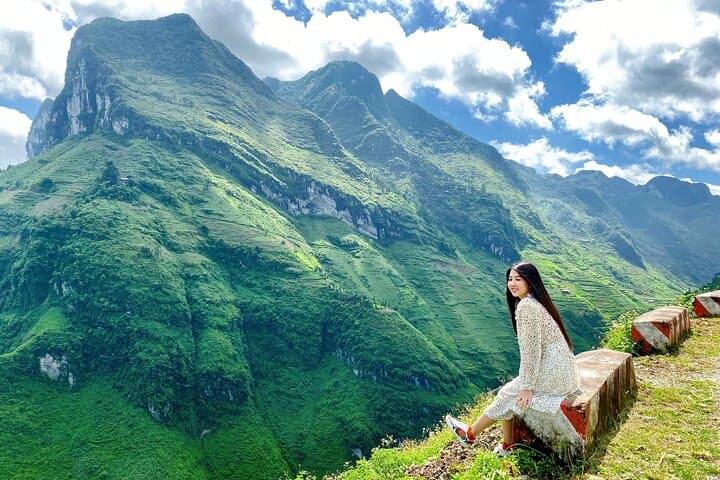
This three-day circuit threads the Dong Van Karst Plateau, a UNESCO-recognized landscape carved from ancient limestone. Geology shows itself in sheer cliffs, eroded karst towers and river-carved gorges; culturally the route passes historic sites such as Lung Cu Flagpole and the Hmong King’s Palace, where local minority communities have shaped vernacular stone houses and terraced fields for generations.
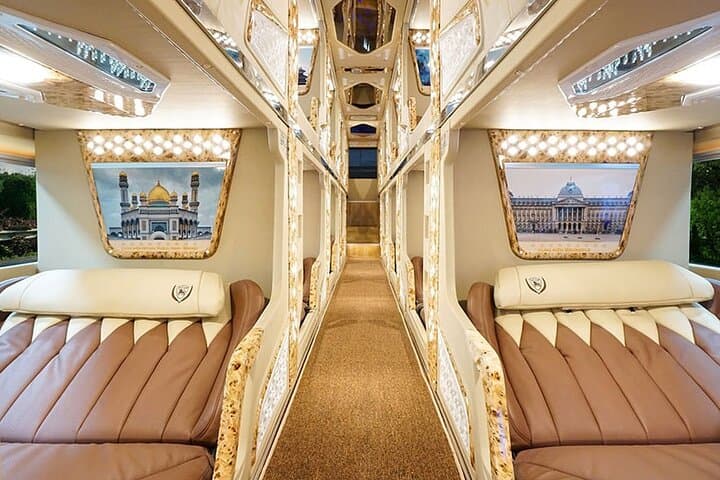
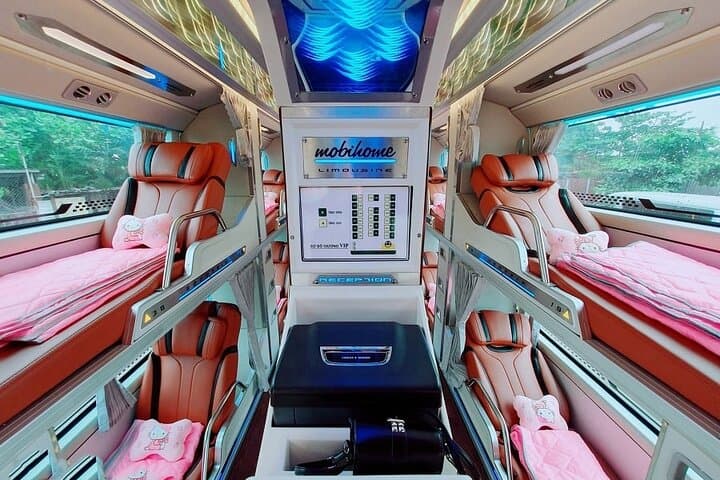
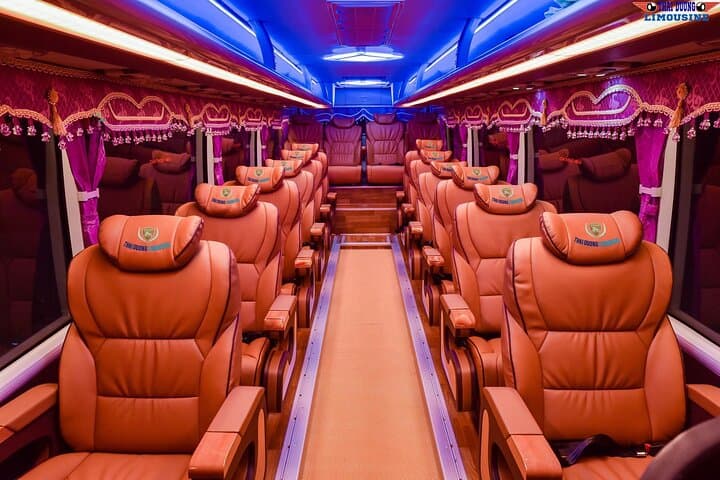
Expect narrow mountain roads and dramatic overlooks—Ma Pi Leng will look sudden and severe after hours in the van—and quieter moments in homestays where hosts serve home-cooked stews. The tour balances comfort (sleeper buses, simple hotels) with immersion (homestay dinners, short village visits).
Practical guide: travel light for bus transfers and bring cash for small purchases; pack a compact rain shell and layered clothing for large temperature swings; wear grippy shoes for short, uneven village walks; carry motion-sickness aids if you are sensitive to winding roads. Time your visit for spring or autumn for clearer skies; summer brings heavy rains that can make drives slow. Allow for flexible energy—most days are drive-heavy with intermittent walking—so prioritize rest and hydration between viewpoints.
easy.
3 days (approx. 72 hours).
Suitable for travelers in average physical condition; must be able to board buses, do short village walks and manage uneven surfaces.
Pickup is arranged from central Hanoi locations, typically the Old Quarter; confirm your exact pickup point and time with the operator before departure.
Accommodations combine sleeper buses, 2–3 star hotels and homestays—expect basic but clean rooms and local hospitality in the villages.
The tour includes long bus transfers and short, uneven walks in villages; it’s not recommended for travelers with serious mobility limitations or severe back problems.
The itinerary notes several included entrances (Pao’s House, Hmong King’s Palace, Lung Cu Flagpole) and the Nho Que river boat ticket—confirm specifics with the operator at booking.
The Dong Van Karst Plateau is part of a UNESCO Global Geopark; the region has long been home to Hmong, Lo Lo and Tay communities whose terraces and stone houses reflect centuries of highland living.
Visitor pressure is rising on fragile karst slopes and village ecosystems; minimize impact by sticking to established paths, carrying out waste and supporting locally run homestays.
ha giang open tour operates guided outdoor trips and adventures with an emphasis on safety, stewardship, and memorable experiences.
The bus eases off the highway and the world reshapes into stacked limestone ridges and narrow switchbacks. Dawn finds you at a roadside market in Ha Giang city, cup of strong coffee warming your hands, while drivers tighten straps and guides call out the day’s route. The Ha Giang Loop moves fast—long road days broken by alpine passes, a boat ride on the Nho Que River, and short walks through Hmong and Lo Lo villages.
The bus eases off the highway and the world reshapes into stacked limestone ridges and narrow switchbacks. Dawn finds you at a roadside market in Ha Giang city, cup of strong coffee warming your hands, while drivers tighten straps and guides call out the day’s route. The Ha Giang Loop moves fast—long road days broken by alpine passes, a boat ride on the Nho Que River, and short walks through Hmong and Lo Lo villages.
This three-day circuit threads the Dong Van Karst Plateau, a UNESCO-recognized landscape carved from ancient limestone. Geology shows itself in sheer cliffs, eroded karst towers and river-carved gorges; culturally the route passes historic sites such as Lung Cu Flagpole and the Hmong King’s Palace, where local minority communities have shaped vernacular stone houses and terraced fields for generations.
Expect narrow mountain roads and dramatic overlooks—Ma Pi Leng will look sudden and severe after hours in the van—and quieter moments in homestays where hosts serve home-cooked stews. The tour balances comfort (sleeper buses, simple hotels) with immersion (homestay dinners, short village visits).
Practical guide: travel light for bus transfers and bring cash for small purchases; pack a compact rain shell and layered clothing for large temperature swings; wear grippy shoes for short, uneven village walks; carry motion-sickness aids if you are sensitive to winding roads. Time your visit for spring or autumn for clearer skies; summer brings heavy rains that can make drives slow. Allow for flexible energy—most days are drive-heavy with intermittent walking—so prioritize rest and hydration between viewpoints.