THE ADVENTURE COLLECTIVE® · Independent discovery and booking for outdoor travel

Drive the high limestone spine of Vietnam’s Ha Giang plateau on a private 3-day loop that links Ma Pi Leng, Dong Van and Du Gia homestays. Expect dramatic canyon viewpoints, village visits with H’Mong and Tay communities, and winding mountain roads suited to travelers who want remote scenery with local insight.
Drive the high limestone spine of Vietnam’s Ha Giang plateau on a private 3-day loop that links Ma Pi Leng, Dong Van and Du Gia homestays. Expect dramatic canyon viewpoints, village visits with H’Mong and Tay communities, and winding mountain roads suited to travelers who want remote scenery with local insight.
Morning light slices across limestone peaks as the car climbs out of Ha Giang city — terraced fields roll away, villagers steer water buffalo along switchbacks, and the road narrows into the spine of the northern plateau.
Verified experiences and guided adventures in the surrounding area.
Operated by Local Tours HALONG · Ha Giang, Ha Giang Province
Morning light slices across limestone peaks as the car climbs out of Ha Giang city — terraced fields roll away, villagers steer water buffalo along switchbacks, and the road narrows into the spine of the northern plateau.
Over three days, this private loop moves from Quan Ba’s twin mountains to the vertiginous Ma Pi Leng pass, down to the emerald Nho Que River and the multi-ethnic villages of Dong Van, Meo Vac and Du Gia. Geologically the region is remote karst and sandstone folded over millions of years; culturally it’s a mosaic of H’Mong, Tay and Dao communities whose weaving, architecture and seasonal crops shape daily life. The Vuong mansion in Dong Van preserves a tangible link to the plateau’s 20th-century hierarchy, while Lung Tam village still spins the traditional patterns visitors buy at local markets.
Expect mountain roads that demand careful driving, viewpoint pullouts for sweeping canyon panoramas, a short boat ride on the Nho Que to see sheer canyon walls, and homestay nights where you eat family-cooked Tay cuisine and sample local corn wine. Walks in villages are mostly short but on uneven paths; stairs and slippery patches near rivers are common.
Practical notes: pack layered clothing for sharp temperature swings, a rain jacket for sudden storms, and sturdy shoes for village trails. Start days early to catch the best light at Ma Pi Leng and to avoid afternoon rains; carry cash for small purchases and tips. With a local driver and guide, the route is accessible to most travelers, but motion-sensitive passengers should prepare for long, winding drives.
moderate.
3 days (approx. 72 hours).
Suitable for travelers with basic mobility — must manage short village walks, stairs and getting in/out of vehicles.
The tour is driven, so physical exertion is low; however, brief village walks, boat boarding and uneven terrain require basic mobility and good balance.
Yes — two nights at local homestays are included, typically simple family-run rooms with shared facilities to reflect local life.
Yes, but weather varies: spring and autumn are generally drier and most comfortable; summer brings rains and occasional road delays, while winter can be cold and foggy in the highlands.
Local operators run the short boat trip through Tu San canyon; life jackets are usually provided but check with your guide and avoid the river in heavy rain.
Ha Giang’s plateau has long been home to H’Mong, Tay and Dao ethnic groups; the Dong Van Karst Plateau was formed from ancient marine sediments folded into dramatic limestone and sandstone ridges.
Tourism brings income but also waste and trail erosion; limit single-use plastics, support local cooperatives and follow leave-no-trace practices.
Local Tours HALONG operates guided outdoor trips and adventures with an emphasis on safety, stewardship, and memorable experiences.
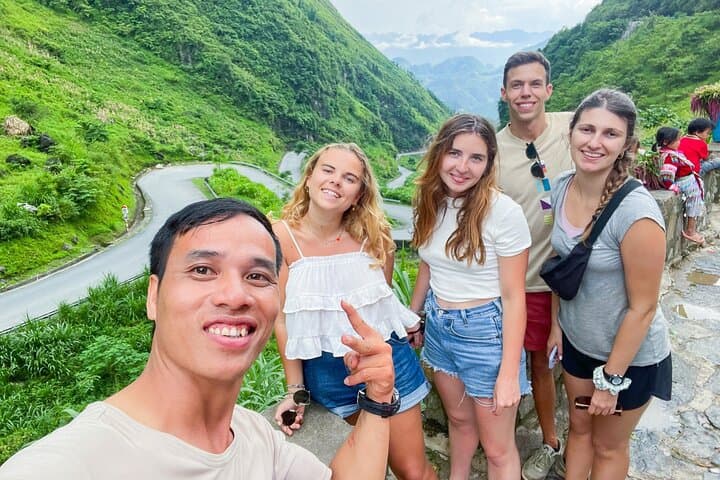
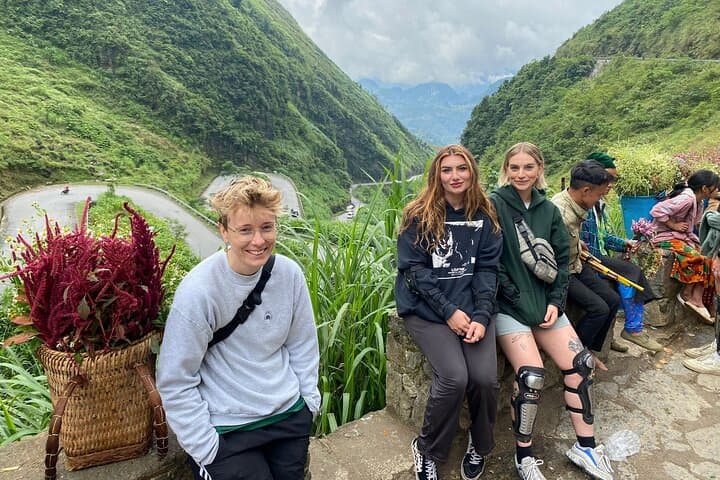
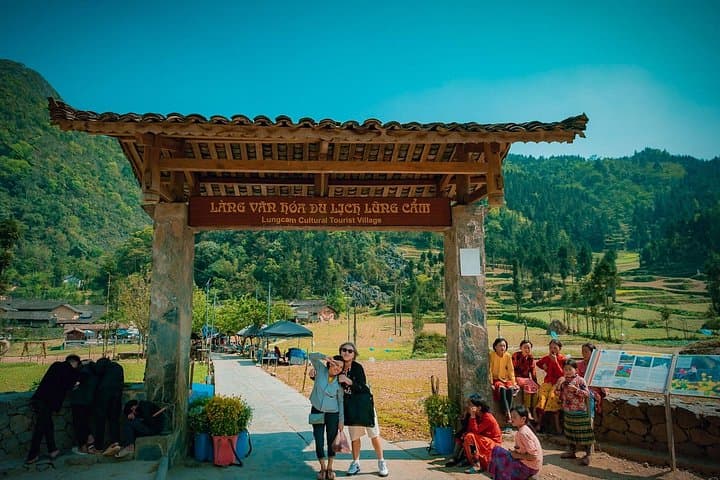
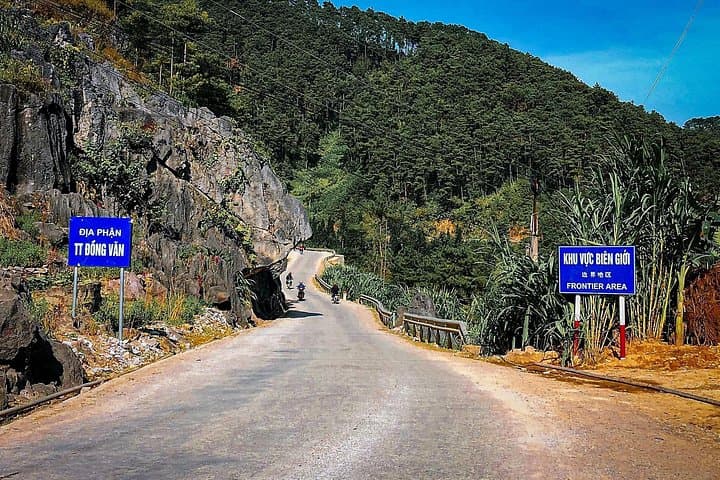
Morning light slices across limestone peaks as the car climbs out of Ha Giang city — terraced fields roll away, villagers steer water buffalo along switchbacks, and the road narrows into the spine of the northern plateau.
Morning light slices across limestone peaks as the car climbs out of Ha Giang city — terraced fields roll away, villagers steer water buffalo along switchbacks, and the road narrows into the spine of the northern plateau.
Over three days, this private loop moves from Quan Ba’s twin mountains to the vertiginous Ma Pi Leng pass, down to the emerald Nho Que River and the multi-ethnic villages of Dong Van, Meo Vac and Du Gia. Geologically the region is remote karst and sandstone folded over millions of years; culturally it’s a mosaic of H’Mong, Tay and Dao communities whose weaving, architecture and seasonal crops shape daily life. The Vuong mansion in Dong Van preserves a tangible link to the plateau’s 20th-century hierarchy, while Lung Tam village still spins the traditional patterns visitors buy at local markets.
Expect mountain roads that demand careful driving, viewpoint pullouts for sweeping canyon panoramas, a short boat ride on the Nho Que to see sheer canyon walls, and homestay nights where you eat family-cooked Tay cuisine and sample local corn wine. Walks in villages are mostly short but on uneven paths; stairs and slippery patches near rivers are common.
Practical notes: pack layered clothing for sharp temperature swings, a rain jacket for sudden storms, and sturdy shoes for village trails. Start days early to catch the best light at Ma Pi Leng and to avoid afternoon rains; carry cash for small purchases and tips. With a local driver and guide, the route is accessible to most travelers, but motion-sensitive passengers should prepare for long, winding drives.