THE ADVENTURE COLLECTIVE® · Independent discovery and booking for outdoor travel

A three-day motorbike loop from Ha Giang takes you across the Dong Van Karst Plateau to Ma Pi Leng Pass, Dong Van town and Du Gia village. Expect dramatic limestone scenery, ethnic village homestays, and long days on winding mountain roads.
A three-day motorbike loop from Ha Giang takes you across the Dong Van Karst Plateau to Ma Pi Leng Pass, Dong Van town and Du Gia village. Expect dramatic limestone scenery, ethnic village homestays, and long days on winding mountain roads.
You kick off before dawn in Ha Giang city, the engine humming like a restless animal as the road climbs. Mist peels off cornfields and limestone ribs of the Dong Van Karst Plateau reveal themselves in cutaway layers; switchbacks coil upward, and Ma Pi Leng Pass stares back like a challenge.
Verified experiences and guided adventures in the surrounding area.
Operated by LOCAL TOURS VIETNAM · Ha Giang, Ha Giang Province
You kick off before dawn in Ha Giang city, the engine humming like a restless animal as the road climbs. Mist peels off cornfields and limestone ribs of the Dong Van Karst Plateau reveal themselves in cutaway layers; switchbacks coil upward, and Ma Pi Leng Pass stares back like a challenge.
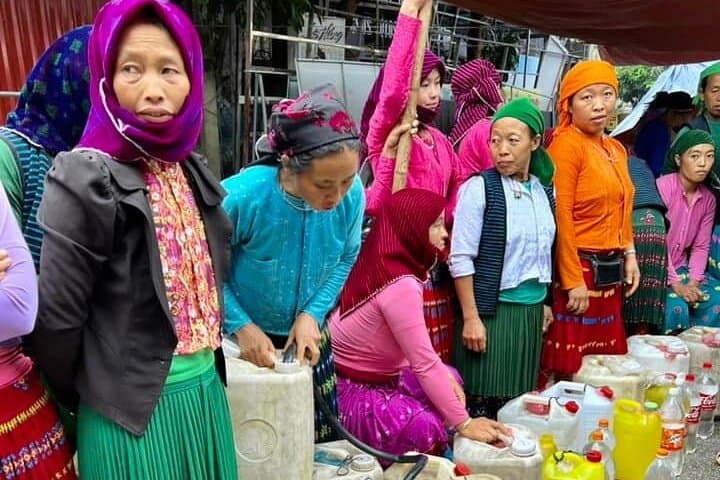
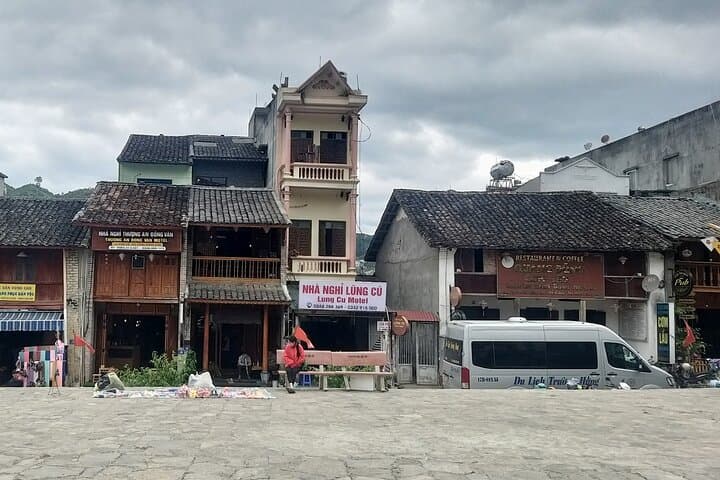
This three-day loop threads history and geology: the Dong Van Karst Plateau is a UNESCO Global Geopark carved from Devonian limestone, its cliffs and pinnacles bearing the slow signatures of water and time. Ethnic Hmong, Tay, and Dao communities live along the route; the Vuong family mansion in Sa Phin echoes French-colonial and Hmong influences, while local markets keep age-old trading rhythms alive. The Nho Que River dares you to look down from the Ma Pi Leng overlook—the canyon feels engineered for drama.
Expect long riding days and countless photo stops: Quan Ba Twin Mountains, Yen Minh vistas, Pho Cao villages, and the narrow roads that earned names like “Death’s Snout.” Nights are spent in family-run homestays where rice wine loosens conversation and simple meals taste of mountain salt and corn.
Practical guidance: choose the easy-rider option if you prefer to be a passenger; if you ride yourself, bring a DOT helmet, layered clothing for wide temperature swings, and waterproof protection—the plateau’s weather can shift swiftly. Hydrate often, carry cash for rural markets and park fees, and give extra time for unpaved sections. Respect local customs at villages, and leave no trace—these roads run through fragile landscapes and living communities.
moderate.
3 days.
Suitable for people comfortable sitting for long periods and handling bumpy roads; not recommended for severe back or heart conditions.
If you choose the self-ride option, you should have a valid motorcycle license recognized by Vietnam authorities; otherwise select the easy-rider/driver package.
Roads vary from paved switchbacks to rough, narrow stretches with loose gravel; drivers experienced with the loop handle the challenging segments routinely.
Homestays are family-run and simple—expect basic rooms, shared bathrooms sometimes, and hearty home-cooked meals; they are authentic rather than luxury.
Travel light; storage on motorbikes is limited—use a small duffel or travel backpack and leave excess luggage in Ha Giang city if possible.
The Dong Van Plateau has been home to Hmong, Tay and Dao communities for centuries; the Vuong family mansion reflects Hmong leadership under French and Chinese-era influences.
The region is part of a UNESCO Geopark—minimize waste, support local homestays, and avoid disturbing terraced fields and wildlife.
LOCAL TOURS VIETNAM operates guided outdoor trips and adventures with an emphasis on safety, stewardship, and memorable experiences.
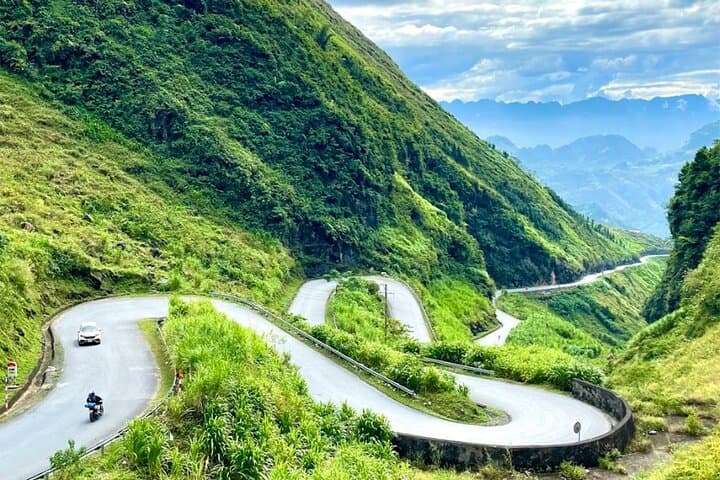

You kick off before dawn in Ha Giang city, the engine humming like a restless animal as the road climbs. Mist peels off cornfields and limestone ribs of the Dong Van Karst Plateau reveal themselves in cutaway layers; switchbacks coil upward, and Ma Pi Leng Pass stares back like a challenge.
You kick off before dawn in Ha Giang city, the engine humming like a restless animal as the road climbs. Mist peels off cornfields and limestone ribs of the Dong Van Karst Plateau reveal themselves in cutaway layers; switchbacks coil upward, and Ma Pi Leng Pass stares back like a challenge.
This three-day loop threads history and geology: the Dong Van Karst Plateau is a UNESCO Global Geopark carved from Devonian limestone, its cliffs and pinnacles bearing the slow signatures of water and time. Ethnic Hmong, Tay, and Dao communities live along the route; the Vuong family mansion in Sa Phin echoes French-colonial and Hmong influences, while local markets keep age-old trading rhythms alive. The Nho Que River dares you to look down from the Ma Pi Leng overlook—the canyon feels engineered for drama.
Expect long riding days and countless photo stops: Quan Ba Twin Mountains, Yen Minh vistas, Pho Cao villages, and the narrow roads that earned names like “Death’s Snout.” Nights are spent in family-run homestays where rice wine loosens conversation and simple meals taste of mountain salt and corn.
Practical guidance: choose the easy-rider option if you prefer to be a passenger; if you ride yourself, bring a DOT helmet, layered clothing for wide temperature swings, and waterproof protection—the plateau’s weather can shift swiftly. Hydrate often, carry cash for rural markets and park fees, and give extra time for unpaved sections. Respect local customs at villages, and leave no trace—these roads run through fragile landscapes and living communities.