THE ADVENTURE COLLECTIVE® · Independent discovery and booking for outdoor travel

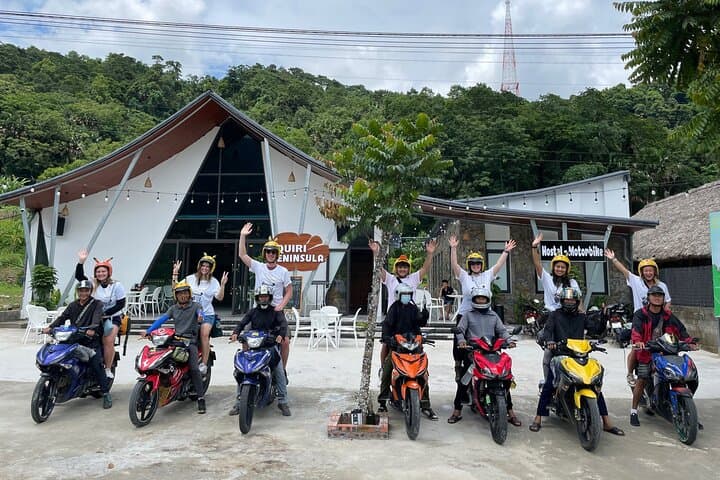
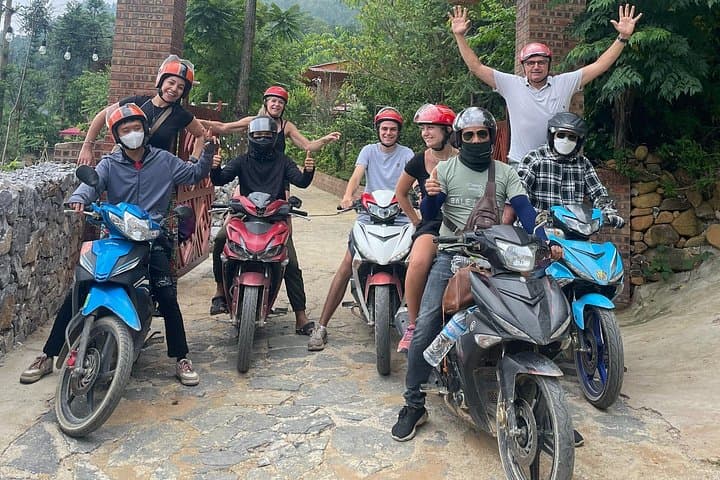
Three days on the Ha Giang Loop takes you over high passes, through ethnic villages and to the Ma Pi Leng overlook above deep river canyons. This guided motorbike tour mixes dramatic mountain riding with homestay culture and short hikes.
Three days on the Ha Giang Loop takes you over high passes, through ethnic villages and to the Ma Pi Leng overlook above deep river canyons. This guided motorbike tour mixes dramatic mountain riding with homestay culture and short hikes.
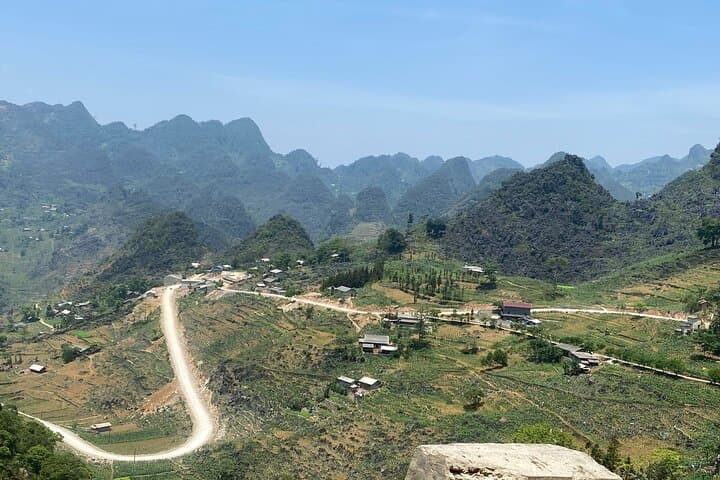
You kick away the city dust in Ha Giang and the road pulls you into raw northern Vietnam: switchbacks slice through limestone spines, river canyons throw light into narrow clefts, and villages cling to terraces like slow-growing steps.
Verified experiences and guided adventures in the surrounding area.
Operated by Ha Giang Vision Tour · Ha Giang, Ha Giang Province
You kick away the city dust in Ha Giang and the road pulls you into raw northern Vietnam: switchbacks slice through limestone spines, river canyons throw light into narrow clefts, and villages cling to terraces like slow-growing steps.
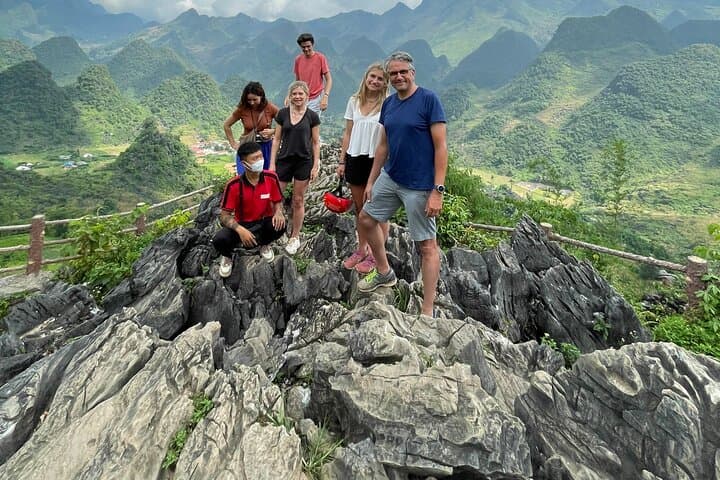
This three-day loop threads 310 km of mountain road, from Bac Sum’s 20 hairpin “snake” curves to Heaven Gate at ~1,200 m and the vertiginous Ma Pi Leng saddle rising near 2,000 m. The geology is unapologetic—folded limestone, granite outcrops and steep karst walls that have forced roads to hug cliffs. Culturally it’s a mosaic: H’Mong and Lo Lo communities, the 18th‑century H’Mong King Palace, Lung Cu flag tower marking Vietnam’s northern edge, and homestays where hemp weaving and hill agriculture shape daily life.
Expect narrow paved and gravel sections, sudden weather shifts, and long riding days (100–130 km per day on mixed surfaces). The most scenic viewpoints—Ma Pi Leng overlook above the Nho Que canyon and Du Gia valley—reward early starts when light slices the cliffs. Guides and local riders handle navigation; participants should be comfortable as passengers for hours and ready for short walks and village visits.
Practical tips: layer for wind and fog, carry 2–3 L water, protect electronics from dust, and allow extra time for photography and market stops. Respect homestay etiquette—remove shoes, ask before photographing people, and support local crafts. With mindful travel and steady pacing, the Ha Giang Loop is both an adrenaline-rich ride and a close-up lesson in highland life.
moderate.
3 days (approx. 310 km total).
Comfortable sitting on motorbikes for extended periods and able to manage short hikes and uneven village paths.
No—this private tour provides experienced riders; participants usually ride as passengers unless a self-ride option is arranged in advance.
Passes reach around 1,200–2,000 m; most travelers do not experience serious altitude sickness but should monitor symptoms and stay hydrated.
Homestays offer private or dorm-style rooms with basic bedding and family meals—expect authentic, simple accommodations rather than luxury facilities.
Late spring to autumn (March–October) offers the most stable weather and clearer views; early winter can be cold and foggy.
The region has been home to H’Mong, Lo Lo and other ethnic groups for centuries; the preserved H’Mong King Palace reflects 18th‑century local rule and mountain life.
Road tourism strains fragile mountain soils and water sources—travelers should stick to trails, avoid single‑use plastics, and prioritize local homestays and guides to support sustainable livelihoods.
Ha Giang Vision Tour operates guided outdoor trips and adventures with an emphasis on safety, stewardship, and memorable experiences.
You kick away the city dust in Ha Giang and the road pulls you into raw northern Vietnam: switchbacks slice through limestone spines, river canyons throw light into narrow clefts, and villages cling to terraces like slow-growing steps.
You kick away the city dust in Ha Giang and the road pulls you into raw northern Vietnam: switchbacks slice through limestone spines, river canyons throw light into narrow clefts, and villages cling to terraces like slow-growing steps.
This three-day loop threads 310 km of mountain road, from Bac Sum’s 20 hairpin “snake” curves to Heaven Gate at ~1,200 m and the vertiginous Ma Pi Leng saddle rising near 2,000 m. The geology is unapologetic—folded limestone, granite outcrops and steep karst walls that have forced roads to hug cliffs. Culturally it’s a mosaic: H’Mong and Lo Lo communities, the 18th‑century H’Mong King Palace, Lung Cu flag tower marking Vietnam’s northern edge, and homestays where hemp weaving and hill agriculture shape daily life.
Expect narrow paved and gravel sections, sudden weather shifts, and long riding days (100–130 km per day on mixed surfaces). The most scenic viewpoints—Ma Pi Leng overlook above the Nho Que canyon and Du Gia valley—reward early starts when light slices the cliffs. Guides and local riders handle navigation; participants should be comfortable as passengers for hours and ready for short walks and village visits.
Practical tips: layer for wind and fog, carry 2–3 L water, protect electronics from dust, and allow extra time for photography and market stops. Respect homestay etiquette—remove shoes, ask before photographing people, and support local crafts. With mindful travel and steady pacing, the Ha Giang Loop is both an adrenaline-rich ride and a close-up lesson in highland life.