THE ADVENTURE COLLECTIVE® · Independent discovery and booking for outdoor travel

Three days on the Ha Giang Loop takes you from winding mountain passes to the Dong Van karst plateau and a boat ride on the Nho Que River. Expect long riding days, homestays, dramatic viewpoints and rugged road surfaces.
Three days on the Ha Giang Loop takes you from winding mountain passes to the Dong Van karst plateau and a boat ride on the Nho Que River. Expect long riding days, homestays, dramatic viewpoints and rugged road surfaces.
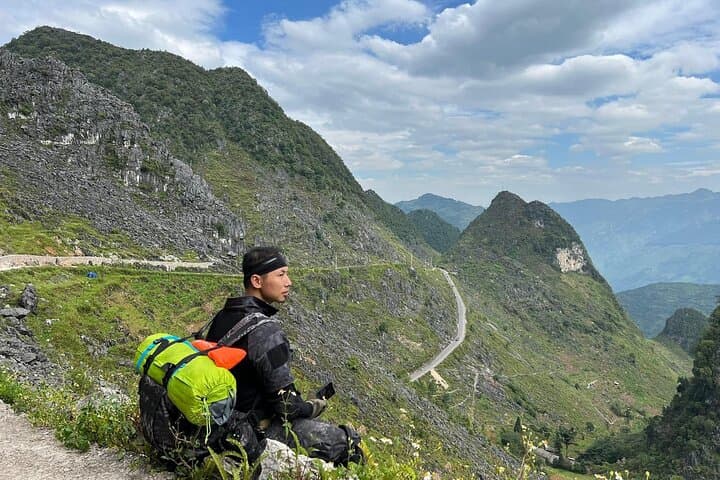
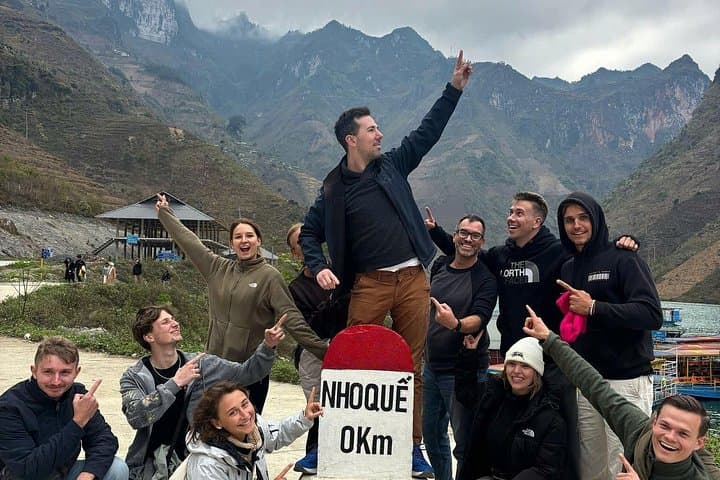
The ride starts before dawn as the bus unloads in Ha Giang and the mountains step forward like pages of folded paper. Wind picks at your jacket on the first climbs; switchbacks carve through limestone ribs and terraces tumble away into green valleys. Over three days you thread Bac Sum and Tham Ma passes, crest Quan Ba (Heaven’s Gate), stand above the Dong Van stone plateau and peer down the razor edge of Ma Pi Leng to the emerald Nho Que River.
Verified experiences and guided adventures in the surrounding area.
Operated by Zgotravel-Vietnam · Ha Giang, Ha Giang Province
The ride starts before dawn as the bus unloads in Ha Giang and the mountains step forward like pages of folded paper. Wind picks at your jacket on the first climbs; switchbacks carve through limestone ribs and terraces tumble away into green valleys. Over three days you thread Bac Sum and Tham Ma passes, crest Quan Ba (Heaven’s Gate), stand above the Dong Van stone plateau and peer down the razor edge of Ma Pi Leng to the emerald Nho Que River.
This is karst country: weathered limestone plateaus, steep cliffs and narrow canyon walls formed over millions of years and now home to H’Mong, Dao and Tay communities. Dong Van Karst Plateau is a UNESCO Global Geopark — the roads trace both natural geology and centuries of highland culture. Homestays offer simple meals and shared spaces; Lung Cu Flag Tower gives a borderland perspective of place and history.
Expect roughly 250–350 km of riding over mixed asphalt and occasional gravel, with passes around 1,200–1,800 m and frequent steep grades and hairpins. Riding can be long days—plan for early starts, regular stops, and slow descents through fog or rain.
Practical notes: bring a well‑fitted helmet, layered rain protection, a compact repair kit and cash for remote villages. Hydrate, keep a power bank charged, and choose the easy‑rider option if you’re not confident on a motorbike. Move respectfully through homestays, pack out waste, and time the loop for dry months to get the clearest views.
moderate.
3 days (approx. 72 hours).
Moderate endurance for several hours riding per day; flexibility to board boats and short hikes to viewpoints.
No—book the easy‑rider option and a driver will handle the bike; self‑drive options are available for experienced riders.
Dry months (October–April) offer clearer skies and more stable roads; summer brings heavy rains and occasional landslides.
Homestays are basic and authentic—shared facilities, simple bedding and local food; they’re part of the cultural experience rather than luxury accommodation.
Yes, if you choose a seat‑on option; self‑driving beginners should be cautious and consider practicing on shorter rides first.
The Ha Giang region is home to H’Mong, Dao and Tay ethnic groups and the Dong Van Karst Plateau is recognized as a UNESCO Global Geopark for its geological and cultural significance.
Tourism impacts are growing—stick to marked paths, avoid single‑use plastics and support local homestays to help distribute economic benefits.
Zgotravel-Vietnam operates guided outdoor trips and adventures with an emphasis on safety, stewardship, and memorable experiences.


The ride starts before dawn as the bus unloads in Ha Giang and the mountains step forward like pages of folded paper. Wind picks at your jacket on the first climbs; switchbacks carve through limestone ribs and terraces tumble away into green valleys. Over three days you thread Bac Sum and Tham Ma passes, crest Quan Ba (Heaven’s Gate), stand above the Dong Van stone plateau and peer down the razor edge of Ma Pi Leng to the emerald Nho Que River.
The ride starts before dawn as the bus unloads in Ha Giang and the mountains step forward like pages of folded paper. Wind picks at your jacket on the first climbs; switchbacks carve through limestone ribs and terraces tumble away into green valleys. Over three days you thread Bac Sum and Tham Ma passes, crest Quan Ba (Heaven’s Gate), stand above the Dong Van stone plateau and peer down the razor edge of Ma Pi Leng to the emerald Nho Que River.
This is karst country: weathered limestone plateaus, steep cliffs and narrow canyon walls formed over millions of years and now home to H’Mong, Dao and Tay communities. Dong Van Karst Plateau is a UNESCO Global Geopark — the roads trace both natural geology and centuries of highland culture. Homestays offer simple meals and shared spaces; Lung Cu Flag Tower gives a borderland perspective of place and history.
Expect roughly 250–350 km of riding over mixed asphalt and occasional gravel, with passes around 1,200–1,800 m and frequent steep grades and hairpins. Riding can be long days—plan for early starts, regular stops, and slow descents through fog or rain.
Practical notes: bring a well‑fitted helmet, layered rain protection, a compact repair kit and cash for remote villages. Hydrate, keep a power bank charged, and choose the easy‑rider option if you’re not confident on a motorbike. Move respectfully through homestays, pack out waste, and time the loop for dry months to get the clearest views.