THE ADVENTURE COLLECTIVE® · Independent discovery and booking for outdoor travel

Ride the Ha Giang Loop over three days with experienced Easy Rider drivers, tracing the Dong Van Karst Plateau from Quan Ba Heaven Gate to the dizzying curves of Mã Pí Lèng. Expect homestays, mountain passes and key cultural stops like the Meo King Palace.
Ride the Ha Giang Loop over three days with experienced Easy Rider drivers, tracing the Dong Van Karst Plateau from Quan Ba Heaven Gate to the dizzying curves of Mã Pí Lèng. Expect homestays, mountain passes and key cultural stops like the Meo King Palace.
A cold dawn, the sleeper bus exhales into Ha Giang city and the scent of diesel and mountain air hangs sharp. By midmorning you’re on the back of an Easy Rider motorbike, the engine low and steady as the road winds up through Bac Sum and the Quan Ba Heaven Gate. Curves stack into one another; cliffs and terraced fields flick by like pages.
Verified experiences and guided adventures in the surrounding area.
Operated by Phu Tho Travel · Ha Giang, Ha Giang Province
A cold dawn, the sleeper bus exhales into Ha Giang city and the scent of diesel and mountain air hangs sharp. By midmorning you’re on the back of an Easy Rider motorbike, the engine low and steady as the road winds up through Bac Sum and the Quan Ba Heaven Gate. Curves stack into one another; cliffs and terraced fields flick by like pages.
The Dong Van Karst Plateau is limestone cartilage carved by millennia — sheer pinnacles, deep river gorges and plateaus that rise to about 2,000 m at Mã Pí Lèng. The region’s history is visible in Dinh Vua Meo (the Meo King’s Palace), a fusion of H’Mong, Chinese and French styles built in the early 1900s, and at Lũng Cú Flagpole, a modern symbol marking Vietnam’s northern edge.
Culturally the route threads H’Mong, Tay and other minority villages; homestays in Du Gia and markets in Dong Van are where rice wine and stories meet. Expect varied surfaces: paved passes, rocky switchbacks and occasional gravel or mud after rain. Typical riding days are 4–6 hours with frequent photo and refreshment stops.
Practical edge: drivers and helmets are provided, water and most meals included, but bring layered cold-weather gear for high passes, cash for remote villages and a small daypack for essentials. Not recommended for pregnant travelers or those with spinal or heart conditions. Time your trip for clear-weather months (September–November or March–April) to get the best visibility and road conditions.
This is travel at ground speed — intimate, raw and governed by the road under your wheels.
moderate.
3 days (2 nights).
Moderate fitness: able to handle several hours of sitting and frequent short walks or stair climbs in villages
No — each passenger is paired with a professional driver (Easy Rider); you ride as a passenger unless you request and are cleared to ride yourself.
Not recommended for travelers with spinal injuries or severe back problems; long stretches on a pillion seat can be uncomfortable.
Three breakfasts, three lunches and two dinners are listed, plus water throughout the trip; local snacks and extra drinks at markets are usually not included.
Expect altitude up to about 2,000 m at Mã Pí Lèng; bring layers, stay hydrated, and heed guides if visibility or conditions deteriorate.
The Vuong family’s Dinh Vua Meo palace in Sa Phin reflects early 20th-century local power and an architectural mix of H’Mong, Chinese and French influences.
The Dong Van Karst Plateau is ecologically fragile; stick to roads and trails, avoid single-use plastics, and favor local homestays to support community-based tourism.
Phu Tho Travel operates guided outdoor trips and adventures with an emphasis on safety, stewardship, and memorable experiences.

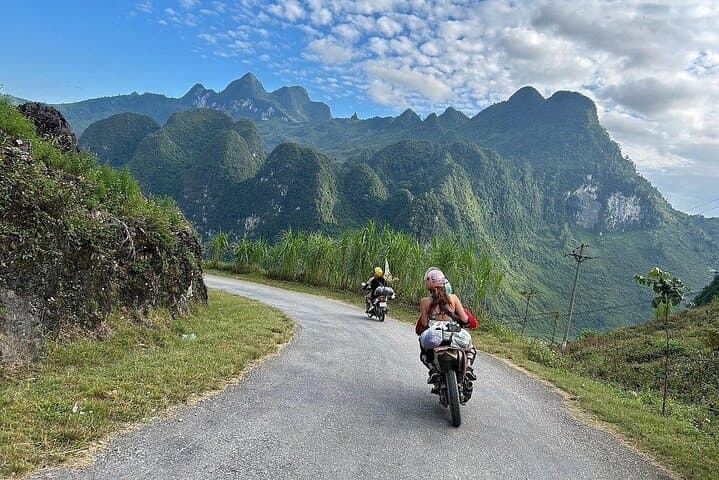
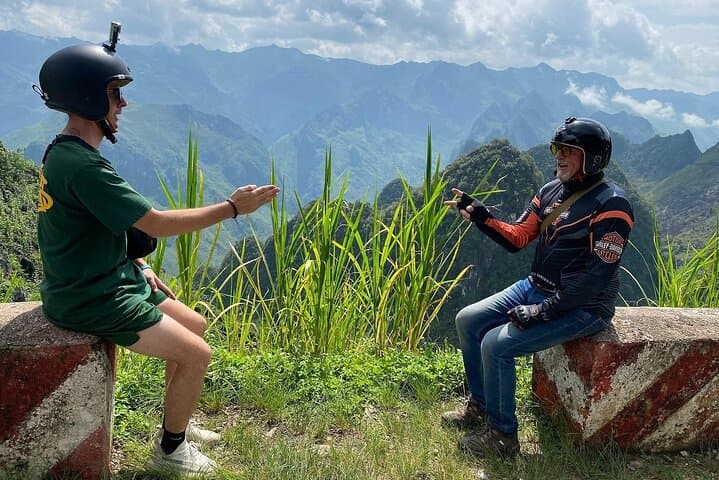
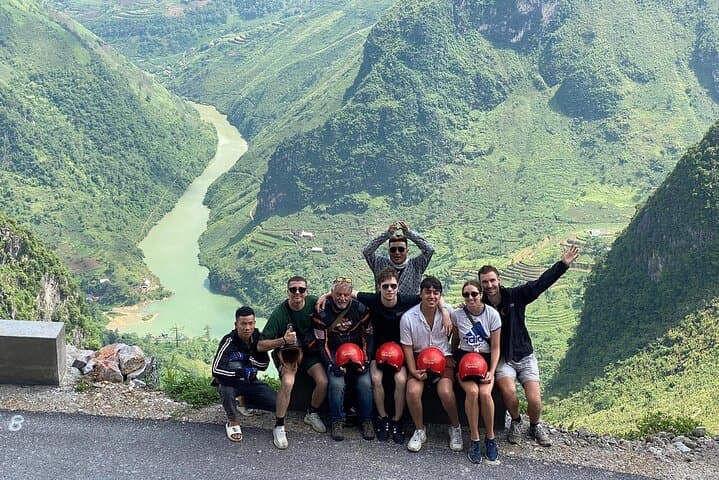
A cold dawn, the sleeper bus exhales into Ha Giang city and the scent of diesel and mountain air hangs sharp. By midmorning you’re on the back of an Easy Rider motorbike, the engine low and steady as the road winds up through Bac Sum and the Quan Ba Heaven Gate. Curves stack into one another; cliffs and terraced fields flick by like pages.
A cold dawn, the sleeper bus exhales into Ha Giang city and the scent of diesel and mountain air hangs sharp. By midmorning you’re on the back of an Easy Rider motorbike, the engine low and steady as the road winds up through Bac Sum and the Quan Ba Heaven Gate. Curves stack into one another; cliffs and terraced fields flick by like pages.
The Dong Van Karst Plateau is limestone cartilage carved by millennia — sheer pinnacles, deep river gorges and plateaus that rise to about 2,000 m at Mã Pí Lèng. The region’s history is visible in Dinh Vua Meo (the Meo King’s Palace), a fusion of H’Mong, Chinese and French styles built in the early 1900s, and at Lũng Cú Flagpole, a modern symbol marking Vietnam’s northern edge.
Culturally the route threads H’Mong, Tay and other minority villages; homestays in Du Gia and markets in Dong Van are where rice wine and stories meet. Expect varied surfaces: paved passes, rocky switchbacks and occasional gravel or mud after rain. Typical riding days are 4–6 hours with frequent photo and refreshment stops.
Practical edge: drivers and helmets are provided, water and most meals included, but bring layered cold-weather gear for high passes, cash for remote villages and a small daypack for essentials. Not recommended for pregnant travelers or those with spinal or heart conditions. Time your trip for clear-weather months (September–November or March–April) to get the best visibility and road conditions.
This is travel at ground speed — intimate, raw and governed by the road under your wheels.