THE ADVENTURE COLLECTIVE® · Independent discovery and booking for outdoor travel

Three days around the Ha Giang loop delivers Ma Pi Leng’s vertiginous pass, the H'mong King’s Palace and the Du Gia waterfall. This small-group tour blends dramatic karst scenery with ethnic culture and homestays.
Three days around the Ha Giang loop delivers Ma Pi Leng’s vertiginous pass, the H'mong King’s Palace and the Du Gia waterfall. This small-group tour blends dramatic karst scenery with ethnic culture and homestays.
You crest Quan Ba’s Heaven Gate as morning light chisels the twin hills into shadow and the road unfurls below—this is the Ha Giang loop: raw limestone ridges, ragged passes and rivers that dare you to slow down.
Verified experiences and guided adventures in the surrounding area.
Operated by Friendly Ha Giang loop tour · Ha Giang, Ha Giang Province
You crest Quan Ba’s Heaven Gate as morning light chisels the twin hills into shadow and the road unfurls below—this is the Ha Giang loop: raw limestone ridges, ragged passes and rivers that dare you to slow down.
The three-day route threads through the Dong Van Karst Plateau, a UNESCO-recognized landscape shaped when an ancient seabed was lifted and carved into cliffs and canyons. History is present in stone and timber: the H'mong King's Palace in Sa Phin (early 20th century) shows a mix of local and colonial-era influences, while markets and homestays preserve the customs of H'mong, Dao and other ethnic groups.
Geology here is loud—Ma Pi Leng’s cliffs drop 700–800m to the Nho Que canyon, with narrow switchbacks that prize a steady driver. Small rivers like the Nho Que push against the valley walls, and waterfalls in Du Gia invite a cool respite after long drives.
Practical guidance: plan for narrow mountain roads, variable weather and basic facilities away from Ha Giang town. Expect daily drives of several hours with short hikes or viewpoint stops; bring layered clothing, a waterproof shell and reliable footwear. Carry cash—local vendors and homestays often don’t take cards—and allow time to acclimate to the pace of the highlands.
By the end of three days you’ll have logged steep passes, river canyons and village kitchens—an intimate, ground-level tour of northern Vietnam that’s equal parts landscape and culture.
moderate.
3 days.
Moderate fitness for multiple vehicle transfers, short hikes and stairs; be comfortable with long days in a vehicle and some uneven walking surfaces.
The tour is moderate: most time is in a vehicle with short walks and viewpoint climbs; participants should be comfortable with uneven ground and steps.
Yes—this itinerary includes three breakfasts, three lunches, two dinners and two nights in private rooms at homestays or local hotels as listed.
Altitudes are moderate (passes around 1,000–1,200m); most travelers do not have issues, but hydrate, rest and notify guides of any symptoms.
Foreign visitors to Vietnam need a valid visa or electronic travel authorization; no special permits are required for this tourist loop beyond standard entry formalities.
The Dong Van Karst Plateau contains limestone formations lifted from an ancient seabed; the H'mong King's Palace in Sa Phin is an early 20th-century house built by a H'mong leader blending local and imported styles.
The karst plateau is ecologically fragile—stick to marked areas, avoid littering and minimize single-use plastics; supporting local homestays helps spread tourism benefits to small communities.
Friendly Ha Giang loop tour operates guided outdoor trips and adventures with an emphasis on safety, stewardship, and memorable experiences.
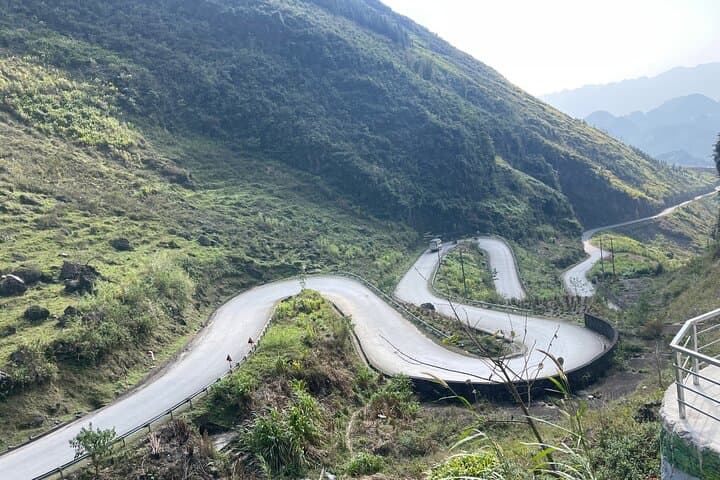
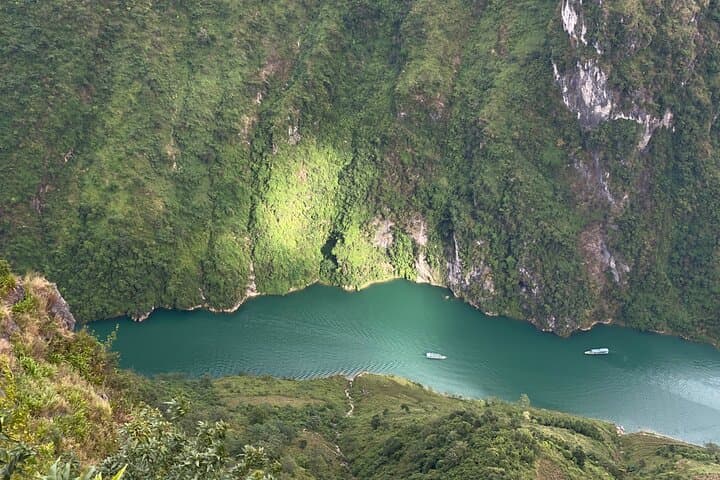
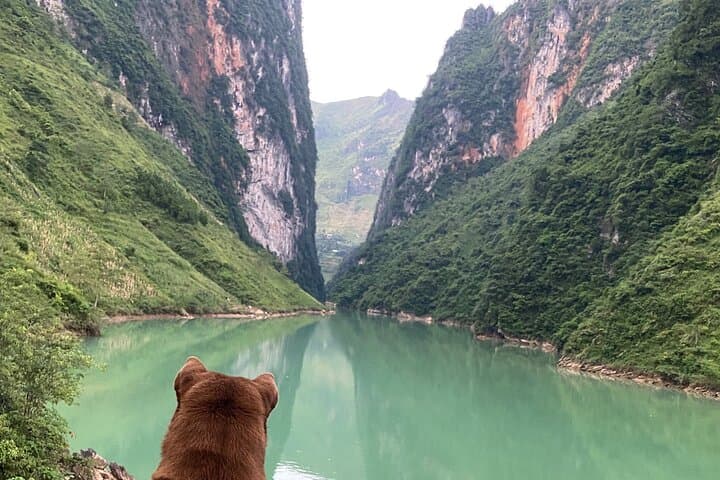
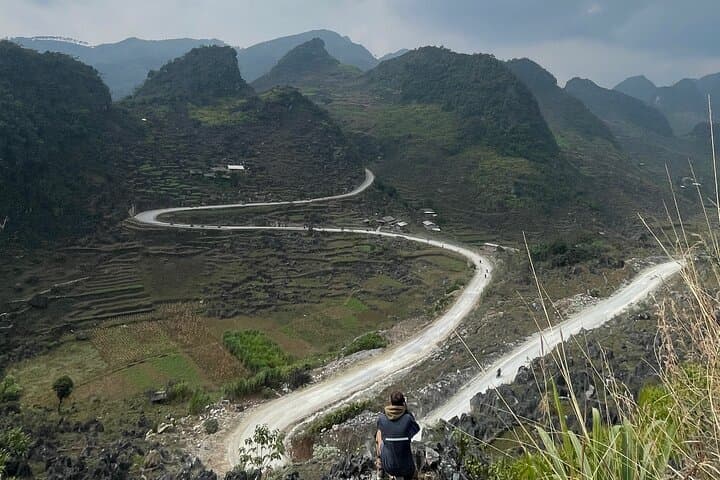
You crest Quan Ba’s Heaven Gate as morning light chisels the twin hills into shadow and the road unfurls below—this is the Ha Giang loop: raw limestone ridges, ragged passes and rivers that dare you to slow down.
You crest Quan Ba’s Heaven Gate as morning light chisels the twin hills into shadow and the road unfurls below—this is the Ha Giang loop: raw limestone ridges, ragged passes and rivers that dare you to slow down.
The three-day route threads through the Dong Van Karst Plateau, a UNESCO-recognized landscape shaped when an ancient seabed was lifted and carved into cliffs and canyons. History is present in stone and timber: the H'mong King's Palace in Sa Phin (early 20th century) shows a mix of local and colonial-era influences, while markets and homestays preserve the customs of H'mong, Dao and other ethnic groups.
Geology here is loud—Ma Pi Leng’s cliffs drop 700–800m to the Nho Que canyon, with narrow switchbacks that prize a steady driver. Small rivers like the Nho Que push against the valley walls, and waterfalls in Du Gia invite a cool respite after long drives.
Practical guidance: plan for narrow mountain roads, variable weather and basic facilities away from Ha Giang town. Expect daily drives of several hours with short hikes or viewpoint stops; bring layered clothing, a waterproof shell and reliable footwear. Carry cash—local vendors and homestays often don’t take cards—and allow time to acclimate to the pace of the highlands.
By the end of three days you’ll have logged steep passes, river canyons and village kitchens—an intimate, ground-level tour of northern Vietnam that’s equal parts landscape and culture.