THE ADVENTURE COLLECTIVE® · Independent discovery and booking for outdoor travel

A compact, two-day circuit through northern Vietnam’s karst plateau, the Ha Giang Loop pairs dramatic mountain roads with hill‑tribe culture. Expect long scenic drives, the Ma Pi Leng overlook, and an overnight in Dong Van.
A compact, two-day circuit through northern Vietnam’s karst plateau, the Ha Giang Loop pairs dramatic mountain roads with hill‑tribe culture. Expect long scenic drives, the Ma Pi Leng overlook, and an overnight in Dong Van.
You round a hairpin and the road throws open — a ragged sweep of limestone pinnacles, rice terraces clinging like green postage stamps, and a river slicing the valley far below. The two-day Ha Giang Loop compresses those wide panoramas into a compact run: mornings on the saddle of switchbacks, afternoons in hill‑tribe towns.
Verified experiences and guided adventures in the surrounding area.
Operated by Ha Giang Amazing Tours · Dong Van, Ha Giang Province
You round a hairpin and the road throws open — a ragged sweep of limestone pinnacles, rice terraces clinging like green postage stamps, and a river slicing the valley far below. The two-day Ha Giang Loop compresses those wide panoramas into a compact run: mornings on the saddle of switchbacks, afternoons in hill‑tribe towns.
Geology here is loud: the Dong Van Karst Plateau is an exposed, ancient limestone landscape carved into towers and clefts, uplifted by tectonic forces and eroded by monsoon seasons. History is threaded through stone buildings and courtyard houses — notably the Vuong family residence in Dong Van, a rare palace of the H’mong elite that illustrates local social layers from the late 19th century onward. Culture is visible and immediate: women in embroidered H’mong dress, farmers bent over steep terraces, and small markets where voices barter in several languages.
Expect roughly 300–330 km of driving across two days with elevation swings from valley floors (~300 m) to mountain passes above 1,200 m. Roads are mostly paved but narrow and winding; the famous Ma Pi Leng Pass offers the highest, most vertiginous views over the Nho Que River.
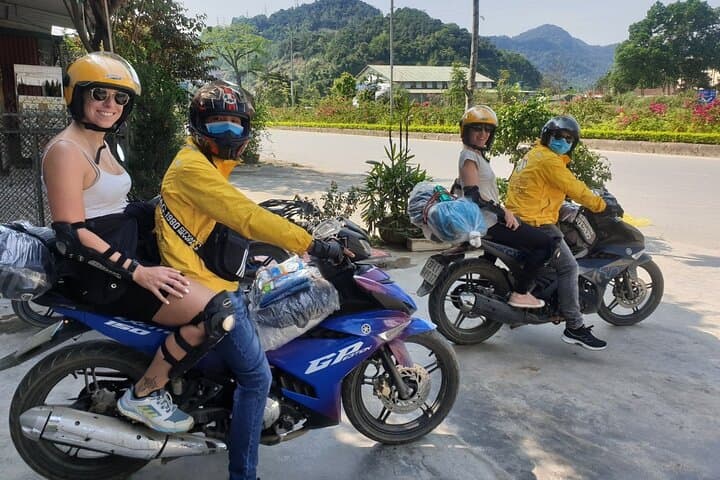
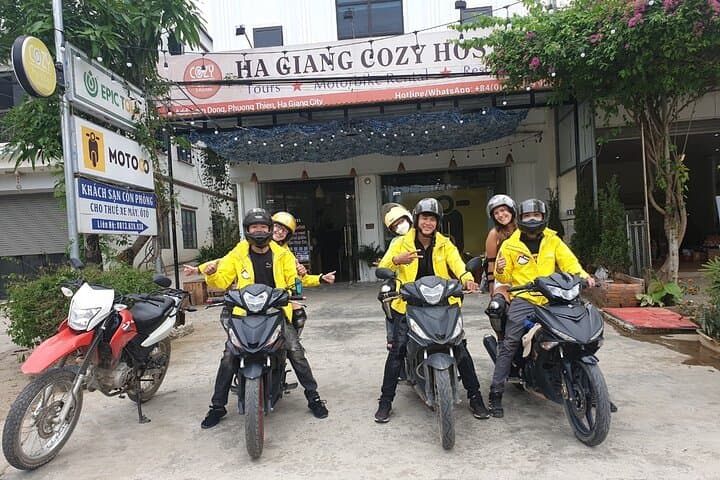
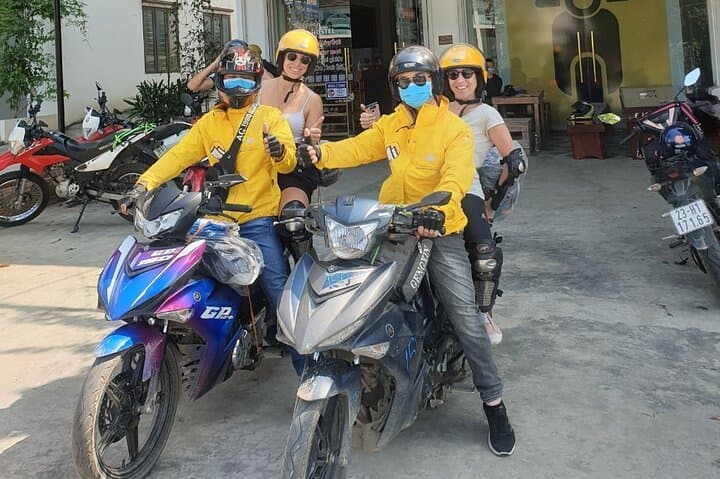
Practical guidance: travel with a guide or local “easy rider” if you’re not confident on mountain roads; mornings are best for clear air and photos; pack windproof layers and sun protection; bring cash for small purchases; charge camera batteries and expect limited service on stretches between towns. Whether you ride pillion or sit in the van, the Ha Giang Loop delivers dramatic geology, close cultural encounters, and roads that keep you honest.
moderate.
2 days (approx. 8–12 hours driving total).
Basic fitness for multiple hours on a vehicle with short, easy walks at viewpoints; comfortable walking on uneven ground is helpful.
No — the tour provides a local easy rider option; if you prefer to ride yourself, only experienced riders should attempt the loop due to narrow, winding roads.
You can choose a homestay or hotel in Dong Van; options vary by booking so check with the operator when reserving.
Generally yes, but weather (heavy rain in monsoon season) can make some sections slippery; operators may advise alternatives during extreme conditions.
The tour includes breakfast, lunch and dinner as listed — expect local-style meals and opportunities to try regional specialties.
The Dong Van Karst Plateau has long been a crossroads of ethnic groups; the Vuong family residence in Dong Van reflects the area’s unique local power structures from the late 1800s.
The Karst Plateau is a geopark with growing eco‑tourism; visitors are encouraged to minimize waste, stay on roads and trails, and support local guides to spread economic benefit.
Ha Giang Amazing Tours operates guided outdoor trips and adventures with an emphasis on safety, stewardship, and memorable experiences.

You round a hairpin and the road throws open — a ragged sweep of limestone pinnacles, rice terraces clinging like green postage stamps, and a river slicing the valley far below. The two-day Ha Giang Loop compresses those wide panoramas into a compact run: mornings on the saddle of switchbacks, afternoons in hill‑tribe towns.
You round a hairpin and the road throws open — a ragged sweep of limestone pinnacles, rice terraces clinging like green postage stamps, and a river slicing the valley far below. The two-day Ha Giang Loop compresses those wide panoramas into a compact run: mornings on the saddle of switchbacks, afternoons in hill‑tribe towns.
Geology here is loud: the Dong Van Karst Plateau is an exposed, ancient limestone landscape carved into towers and clefts, uplifted by tectonic forces and eroded by monsoon seasons. History is threaded through stone buildings and courtyard houses — notably the Vuong family residence in Dong Van, a rare palace of the H’mong elite that illustrates local social layers from the late 19th century onward. Culture is visible and immediate: women in embroidered H’mong dress, farmers bent over steep terraces, and small markets where voices barter in several languages.
Expect roughly 300–330 km of driving across two days with elevation swings from valley floors (~300 m) to mountain passes above 1,200 m. Roads are mostly paved but narrow and winding; the famous Ma Pi Leng Pass offers the highest, most vertiginous views over the Nho Que River.
Practical guidance: travel with a guide or local “easy rider” if you’re not confident on mountain roads; mornings are best for clear air and photos; pack windproof layers and sun protection; bring cash for small purchases; charge camera batteries and expect limited service on stretches between towns. Whether you ride pillion or sit in the van, the Ha Giang Loop delivers dramatic geology, close cultural encounters, and roads that keep you honest.