THE ADVENTURE COLLECTIVE® · Independent discovery and booking for outdoor travel

A concise 2-day loop through Ha Giang’s highlands, combining dramatic passes like Ma Pi Leng with visits to H’Mong villages and a Nho Que River boat trip. Ideal for travelers who want big scenery and cultural contact on a short schedule.
A concise 2-day loop through Ha Giang’s highlands, combining dramatic passes like Ma Pi Leng with visits to H’Mong villages and a Nho Que River boat trip. Ideal for travelers who want big scenery and cultural contact on a short schedule.
On the first morning the bus peels out of Ha Giang city and the road climbs into a landscape that insists on attention: limestone ribs, terraced fields, and sheer cliffs that push clouds into motion. Over two days travelers trace the Ha Giang Loop—Quan Ba’s twin mountains, the ragged spine of Ma Pi Leng, and the quiet villages tucked into karst folds—while local guides open doors to H’Mong life and regional cuisine.
Verified experiences and guided adventures in the surrounding area.
Operated by Local Tours SAPA · Ha Giang City, Ha Giang Province
On the first morning the bus peels out of Ha Giang city and the road climbs into a landscape that insists on attention: limestone ribs, terraced fields, and sheer cliffs that push clouds into motion. Over two days travelers trace the Ha Giang Loop—Quan Ba’s twin mountains, the ragged spine of Ma Pi Leng, and the quiet villages tucked into karst folds—while local guides open doors to H’Mong life and regional cuisine.
Geology here reads like a slow-motion tectonic argument: ancient sedimentary plateaus carved into cliffs and canyons by rivers that keep demanding more space. Historically the Dong Van Plateau has been a crossroads for ethnic groups—the H’Mong, Tay, and Dao—with remnants of French-era trade routes and the ornate Vuong family mansion hinting at layered cultural influences.
Expect long stretches in a comfortable vehicle punctuated by short hikes, homestay evenings, and a boat trip on the Nho Que River where the canyon seems to swallow sound. The road can be winding; the views reward patience. Practical notes: bring layers for rapid temperature swings, cash for markets and village stalls, and a small daypack for camera gear and water. Allow daylight for photo stops and keep a flexible schedule to soak in sunsets over Dong Van’s rocky plains.
This is a travel experience that balances scenery and culture: modest exertion, high visual payoff, and an intimate look at northern Vietnam’s upland communities. Pace yourself, respect village customs, and let the landscape set the day’s tempo.
easy.
2 days.
Minimal fitness required for short village walks and light boardwalks; comfortable sitting tolerance for multiple hours in a vehicle is useful.
Most standard packages include breakfast, lunch, and dinner as listed; local homestay meals are typically provided and reflect regional cuisine.
Yes—the tour is rated easy and suitable for all fitness levels, though long vehicle time and winding roads can be tiring for some.
You should ask permission before photographing people; many locals are friendly but privacy and dignity should be respected.
Yes, the itinerary commonly includes a short boat trip through the Tu San canyon on the Nho Que River to experience the steep-sided gorge up close.
The Dong Van Plateau has long been home to H’Mong, Tay, and Dao communities; remnants of French colonial routes and the Vuong family mansion reflect layered historical influences.
Tourism offers income but strains fragile upland ecosystems; travelers should avoid leaving litter, stick to paths, and support local services to benefit communities.
Local Tours SAPA operates guided outdoor trips and adventures with an emphasis on safety, stewardship, and memorable experiences.
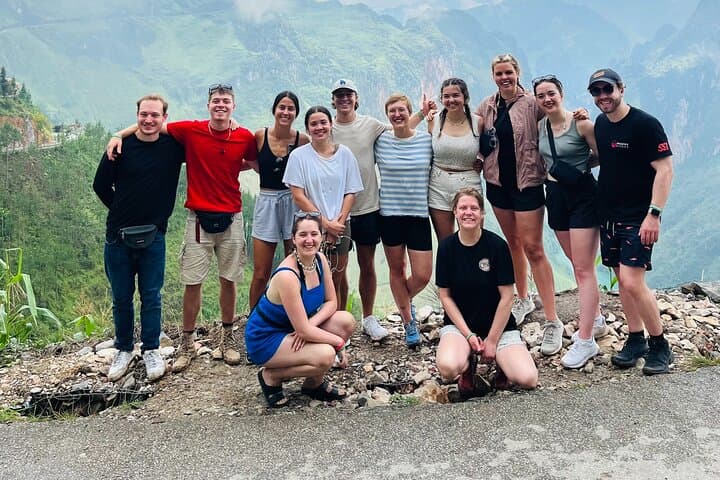
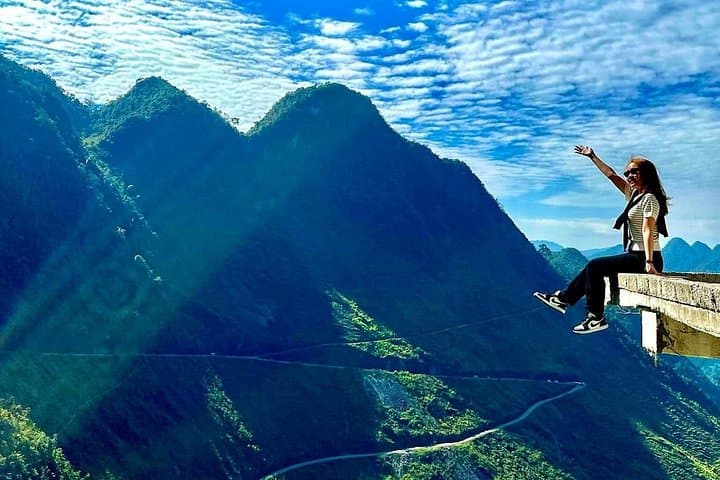
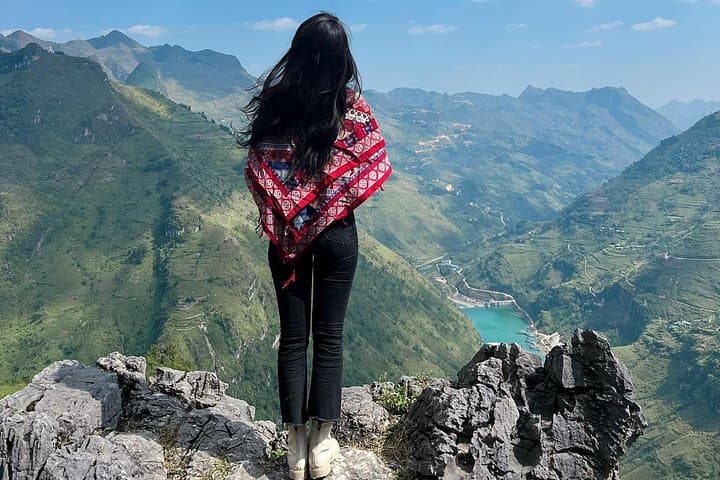
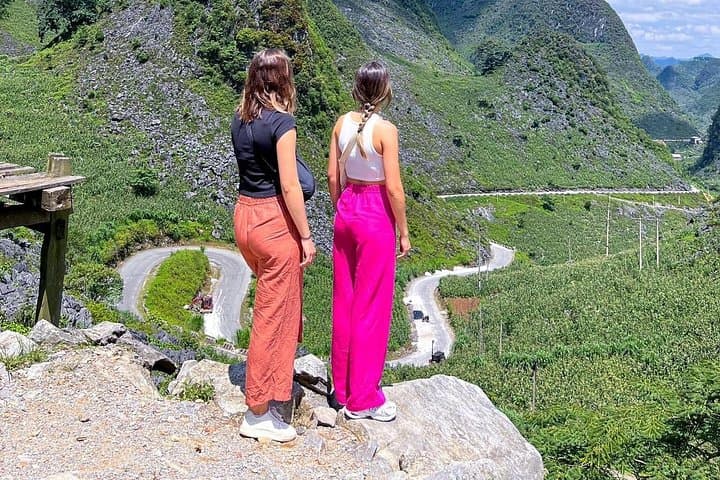
On the first morning the bus peels out of Ha Giang city and the road climbs into a landscape that insists on attention: limestone ribs, terraced fields, and sheer cliffs that push clouds into motion. Over two days travelers trace the Ha Giang Loop—Quan Ba’s twin mountains, the ragged spine of Ma Pi Leng, and the quiet villages tucked into karst folds—while local guides open doors to H’Mong life and regional cuisine.
On the first morning the bus peels out of Ha Giang city and the road climbs into a landscape that insists on attention: limestone ribs, terraced fields, and sheer cliffs that push clouds into motion. Over two days travelers trace the Ha Giang Loop—Quan Ba’s twin mountains, the ragged spine of Ma Pi Leng, and the quiet villages tucked into karst folds—while local guides open doors to H’Mong life and regional cuisine.
Geology here reads like a slow-motion tectonic argument: ancient sedimentary plateaus carved into cliffs and canyons by rivers that keep demanding more space. Historically the Dong Van Plateau has been a crossroads for ethnic groups—the H’Mong, Tay, and Dao—with remnants of French-era trade routes and the ornate Vuong family mansion hinting at layered cultural influences.
Expect long stretches in a comfortable vehicle punctuated by short hikes, homestay evenings, and a boat trip on the Nho Que River where the canyon seems to swallow sound. The road can be winding; the views reward patience. Practical notes: bring layers for rapid temperature swings, cash for markets and village stalls, and a small daypack for camera gear and water. Allow daylight for photo stops and keep a flexible schedule to soak in sunsets over Dong Van’s rocky plains.
This is a travel experience that balances scenery and culture: modest exertion, high visual payoff, and an intimate look at northern Vietnam’s upland communities. Pace yourself, respect village customs, and let the landscape set the day’s tempo.