THE ADVENTURE COLLECTIVE® · Independent discovery and booking for outdoor travel

A two-day self-drive motorbike loop across Vietnam’s Ha Giang highlands that threads limestone karsts, terraced fields, and market towns. Ideal for riders comfortable with long mountain days and keen to sleep in village homestays.
A two-day self-drive motorbike loop across Vietnam’s Ha Giang highlands that threads limestone karsts, terraced fields, and market towns. Ideal for riders comfortable with long mountain days and keen to sleep in village homestays.
You kick off before dawn, headlights cutting through mist as the road peels away from Ha Giang city and climbs into a spine of limestone ridges. The air smells of damp earth and burning wood; terraces step down the mountains like pages of an old atlas. Riding a semi-automatic bike, the world narrows to turns, throttle, and the constant negotiation with wind and weather.
Verified experiences and guided adventures in the surrounding area.
Operated by Lisa Vietnam Travel · Ha Giang, Ha Giang Province
You kick off before dawn, headlights cutting through mist as the road peels away from Ha Giang city and climbs into a spine of limestone ridges. The air smells of damp earth and burning wood; terraces step down the mountains like pages of an old atlas. Riding a semi-automatic bike, the world narrows to turns, throttle, and the constant negotiation with wind and weather.
This two-day circuit threads through the Dong Van Karst Plateau Geopark — a landscape carved by uplift and erosion into sharp limestone towers and broad, rocky plateaus. Human history here is concentrated in market days and stone forts: the H’mong palaces of Sa Phin and French-era forts in Dong Van speak to borderland trade and the region’s difficult past.
Culture is tactile: hill-tribe markets, indigo textiles, and small homestays where nights end with shared meals and loud local music. Geology opens at Ma Pi Leng Pass, where the Nho Que River cuts a deep gorge; from the panorama viewpoint the canyon dares you to look down.
Practical guide: expect long riding days (mountain passes, steep switchbacks). Bring a reliable helmet, layered clothing for cold mornings and warm afternoons, and waterproofs for sudden showers. Start early to avoid monsoon storms and allow time for road-side stops at viewpoints and markets. Fuel up in towns — stations are sparse between villages. If you’re inexperienced on mountain roads, hire a driver or join a guided easy-rider; the route rewards patience and steady riding more than speed.
challenging.
2 days (approx. 8–10 hours riding per day).
Suitable for riders with good endurance who can handle long hours on a motorcycle and quick recovery between rides
Yes — Vietnamese law requires a valid motorcycle license; tour operators may require you to show your license before riding.
Roads vary from well-paved stretches to narrow, gravelly mountain passes with sharp switchbacks—riding experience on mixed surfaces is strongly recommended.
Homestays are basic but clean, offering local meals and shared bathrooms; expect simple bedding and warm hospitality rather than luxury amenities.
Riding is possible but riskier: heavy rains can reduce traction, cause landslides, and lower visibility—consider postponing if severe weather is forecast.
The Ha Giang region has long been a cultural crossroads for H’mong, Dao and other highland communities; Sa Phin holds the early-20th-century palace of the H’mong leader Vuong Chinh Duc.
The karst plateau is sensitive to erosion and tourism pressure—stick to marked roads, minimize single-use plastics, and support community-run homestays to keep economic benefits local.
Lisa Vietnam Travel operates guided outdoor trips and adventures with an emphasis on safety, stewardship, and memorable experiences.
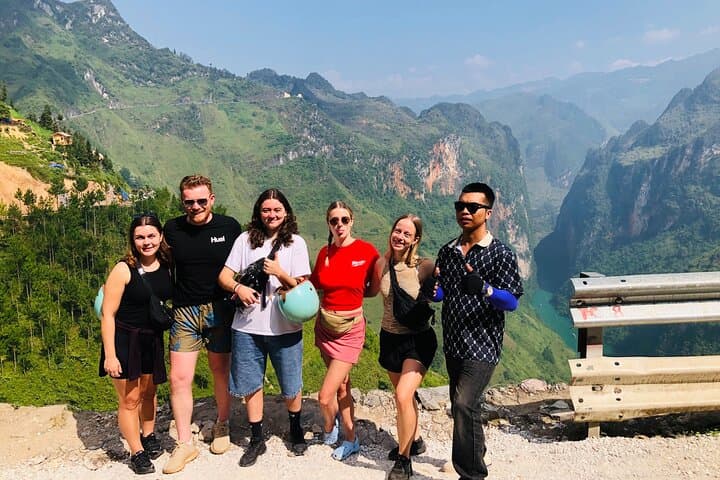
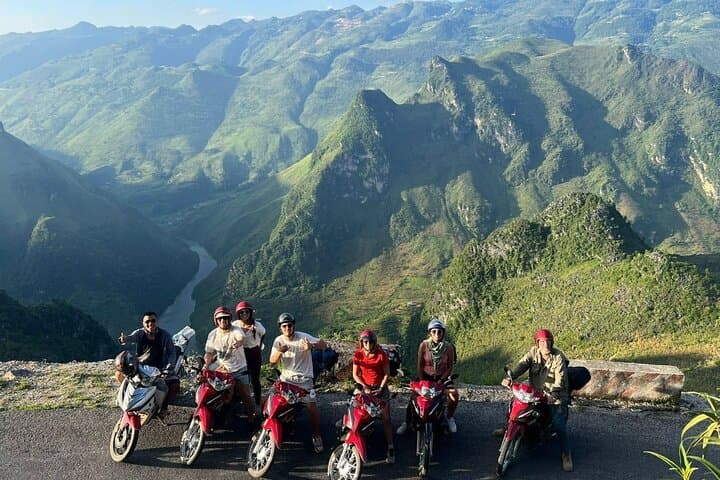
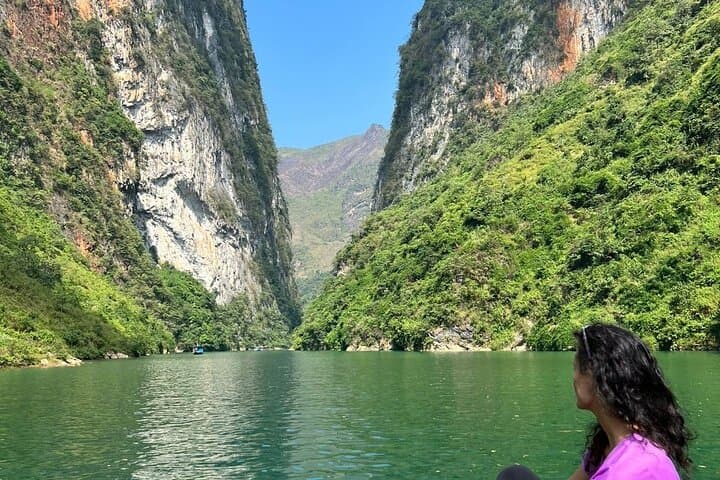
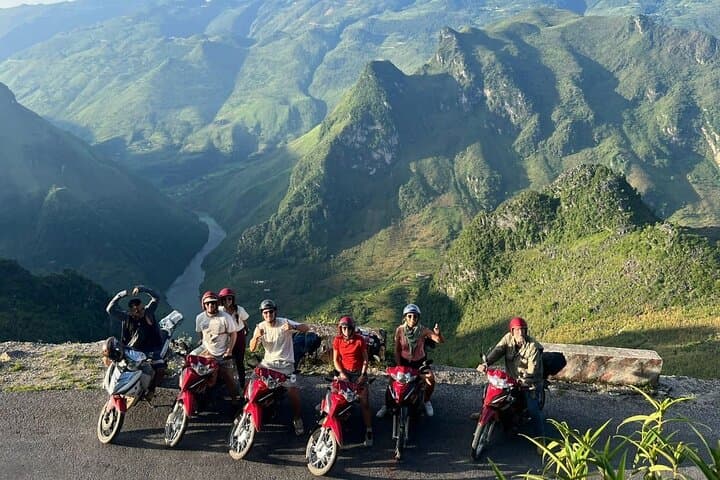
You kick off before dawn, headlights cutting through mist as the road peels away from Ha Giang city and climbs into a spine of limestone ridges. The air smells of damp earth and burning wood; terraces step down the mountains like pages of an old atlas. Riding a semi-automatic bike, the world narrows to turns, throttle, and the constant negotiation with wind and weather.
You kick off before dawn, headlights cutting through mist as the road peels away from Ha Giang city and climbs into a spine of limestone ridges. The air smells of damp earth and burning wood; terraces step down the mountains like pages of an old atlas. Riding a semi-automatic bike, the world narrows to turns, throttle, and the constant negotiation with wind and weather.
This two-day circuit threads through the Dong Van Karst Plateau Geopark — a landscape carved by uplift and erosion into sharp limestone towers and broad, rocky plateaus. Human history here is concentrated in market days and stone forts: the H’mong palaces of Sa Phin and French-era forts in Dong Van speak to borderland trade and the region’s difficult past.
Culture is tactile: hill-tribe markets, indigo textiles, and small homestays where nights end with shared meals and loud local music. Geology opens at Ma Pi Leng Pass, where the Nho Que River cuts a deep gorge; from the panorama viewpoint the canyon dares you to look down.
Practical guide: expect long riding days (mountain passes, steep switchbacks). Bring a reliable helmet, layered clothing for cold mornings and warm afternoons, and waterproofs for sudden showers. Start early to avoid monsoon storms and allow time for road-side stops at viewpoints and markets. Fuel up in towns — stations are sparse between villages. If you’re inexperienced on mountain roads, hire a driver or join a guided easy-rider; the route rewards patience and steady riding more than speed.