THE ADVENTURE COLLECTIVE® · Independent discovery and booking for outdoor travel

Drive through the Dong Van Karst Plateau on a private 2-day route from Hanoi, with homestay nights in Dong Van, Ma Pi Leng viewpoints and a boat trip on the Nho Que River. Ideal for travelers who want dramatic canyon views and close cultural encounters with H’Mong and Dzao communities.
Drive through the Dong Van Karst Plateau on a private 2-day route from Hanoi, with homestay nights in Dong Van, Ma Pi Leng viewpoints and a boat trip on the Nho Que River. Ideal for travelers who want dramatic canyon views and close cultural encounters with H’Mong and Dzao communities.
Night on the road gives way to first light over serrated limestone: you arrive in Ha Giang by early morning, step off a sleeping bus and feel the cold air push through the valley. The private 2-day itinerary threads through high passes, terraced fields and narrow village lanes — from Quan Ba’s Heaven Gate to the vertiginous cliffs of Ma Pi Leng and the slow green ribbon of the Nho Que River.
Verified experiences and guided adventures in the surrounding area.
Operated by Vietnam Explorer · Ha Giang, Ha Giang Province
Night on the road gives way to first light over serrated limestone: you arrive in Ha Giang by early morning, step off a sleeping bus and feel the cold air push through the valley. The private 2-day itinerary threads through high passes, terraced fields and narrow village lanes — from Quan Ba’s Heaven Gate to the vertiginous cliffs of Ma Pi Leng and the slow green ribbon of the Nho Que River.
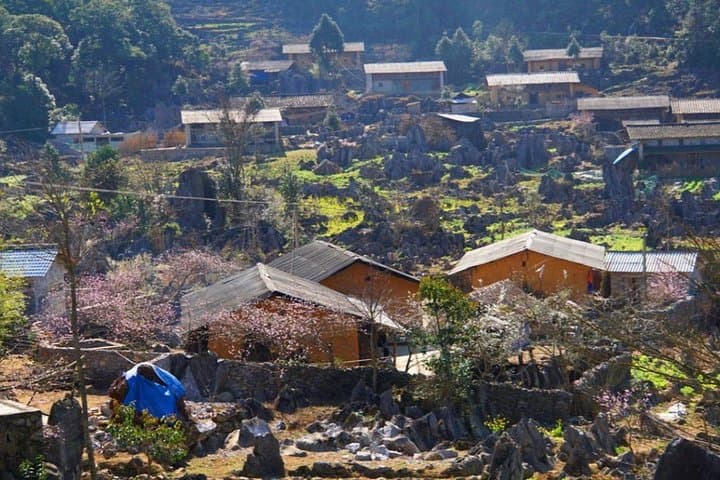
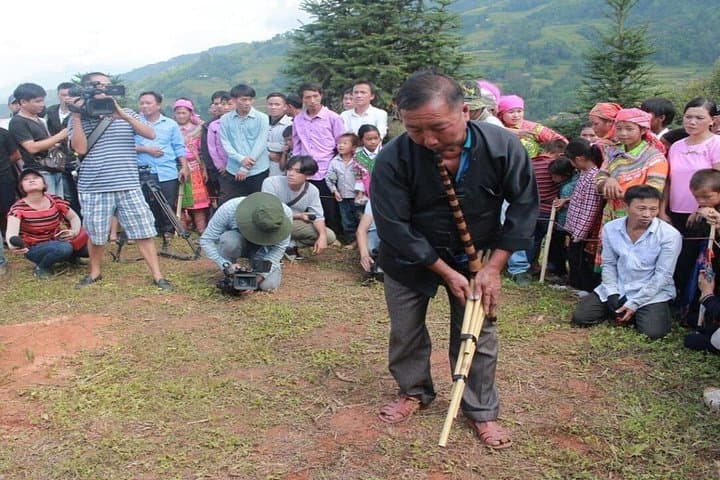
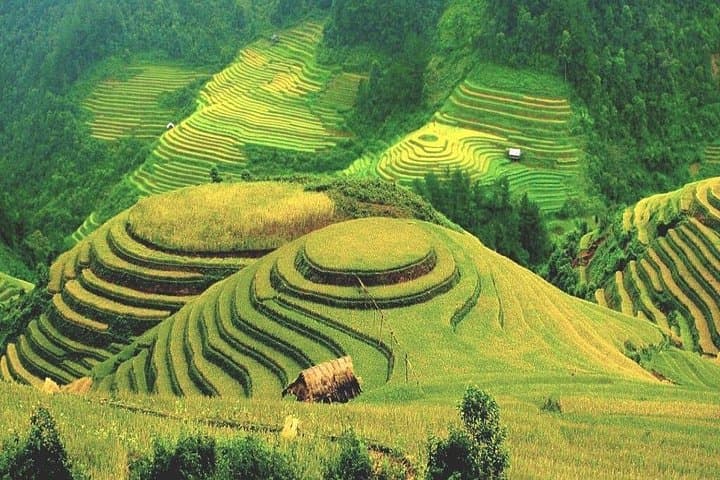
This landscape is part of the Dong Van Karst Plateau, a UNESCO-listed geopark where plateaus of karst limestone have been carved into towers, canyons and natural windows over millions of years. The region is also home to more than 20 ethnic groups; H’Mong, Dzao and Tay communities maintain linen weaving, terraced agriculture and hilltop flag-pole traditions that travelers see in villages and markets.
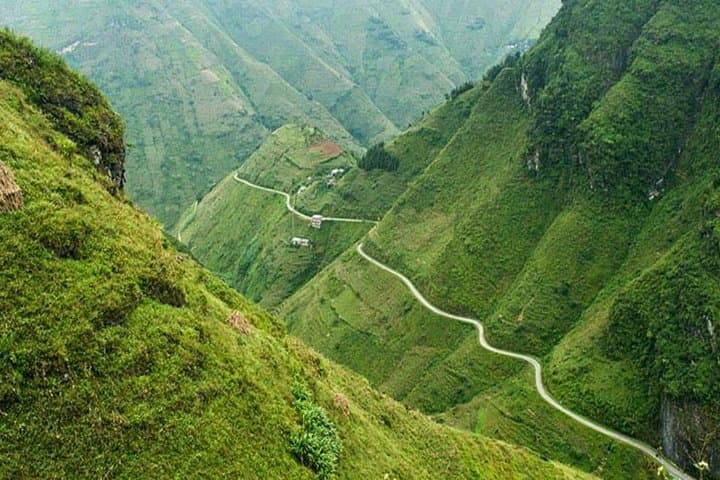
Expect long driving legs (the schedule includes a 300 km overnight transfer, roughly 140 km on day one and 170 km plus the return). Roads are steep and winding; Ma Pi Leng’s pass offers dramatic overlooks and a chance for a short boat trip on the Nho Que for canyon perspectives.
Practically: pack for temperature swings, carry cash for rural markets and motorbike taxis, and book a homestay stay to experience local meals and sleep in simpler conditions. Wear sturdy footwear for short hikes around villages and be prepared for sudden rain. Travel with a moderate fitness level and an appetite for raw mountain scenery — the route rewards patience with unforgettable views and genuine cultural encounters.
moderate.
2–3 days.
Moderate fitness for long vehicle days, short hikes and getting on/off boats or motorbike taxis; not strenuous but be ready for uneven terrain.
The tour typically includes accommodation (one homestay night in Dong Van), some meals, transport in an air-conditioned vehicle, entrance fees and an English-speaking guide; check the booking page for exact inclusions.
Roads are winding and can be narrow; regulated motorbike taxis are commonly used for short transfers to viewpoints and the boat launch — use local guides and helmets when available.
Foreign travelers need a valid Vietnam visa as required; no special permits are generally needed for Ha Giang but carry ID/passport for homestay registration.
Autumn (September–November) and spring offer the clearest weather and comfortable temperatures; rice/flower seasons add scenic variety.
The Dong Van Karst Plateau is a UNESCO Global Geopark that preserves ancient limestone formations and longstanding ethnic cultures; sites like Vuong’s palace reflect local H’Mong aristocratic history.
Karst ecosystems are fragile — stick to trails, minimize plastic use and support local homestays and community-based tourism to keep economic benefits local.
Vietnam Explorer operates guided outdoor trips and adventures with an emphasis on safety, stewardship, and memorable experiences.
Night on the road gives way to first light over serrated limestone: you arrive in Ha Giang by early morning, step off a sleeping bus and feel the cold air push through the valley. The private 2-day itinerary threads through high passes, terraced fields and narrow village lanes — from Quan Ba’s Heaven Gate to the vertiginous cliffs of Ma Pi Leng and the slow green ribbon of the Nho Que River.
Night on the road gives way to first light over serrated limestone: you arrive in Ha Giang by early morning, step off a sleeping bus and feel the cold air push through the valley. The private 2-day itinerary threads through high passes, terraced fields and narrow village lanes — from Quan Ba’s Heaven Gate to the vertiginous cliffs of Ma Pi Leng and the slow green ribbon of the Nho Que River.
This landscape is part of the Dong Van Karst Plateau, a UNESCO-listed geopark where plateaus of karst limestone have been carved into towers, canyons and natural windows over millions of years. The region is also home to more than 20 ethnic groups; H’Mong, Dzao and Tay communities maintain linen weaving, terraced agriculture and hilltop flag-pole traditions that travelers see in villages and markets.
Expect long driving legs (the schedule includes a 300 km overnight transfer, roughly 140 km on day one and 170 km plus the return). Roads are steep and winding; Ma Pi Leng’s pass offers dramatic overlooks and a chance for a short boat trip on the Nho Que for canyon perspectives.
Practically: pack for temperature swings, carry cash for rural markets and motorbike taxis, and book a homestay stay to experience local meals and sleep in simpler conditions. Wear sturdy footwear for short hikes around villages and be prepared for sudden rain. Travel with a moderate fitness level and an appetite for raw mountain scenery — the route rewards patience with unforgettable views and genuine cultural encounters.