THE ADVENTURE COLLECTIVE® · Independent discovery and booking for outdoor travel

Cross jagged limestone ridges and ancient market towns on this 4-day circuit through Ha Giang’s Dong Van Karst Plateau. Expect dramatic passes, village homestays, and a boat ride down the Nho Que gorge.
Cross jagged limestone ridges and ancient market towns on this 4-day circuit through Ha Giang’s Dong Van Karst Plateau. Expect dramatic passes, village homestays, and a boat ride down the Nho Que gorge.
You step out of the coach and the air feels thinner, clean with dust and limestone — the road unfurls into ribs of gray stone and cultivated terraces that seem to cling to impossible slopes.
Verified experiences and guided adventures in the surrounding area.
Operated by Mekong Tourist · Ha Giang, Ha Giang Province
You step out of the coach and the air feels thinner, clean with dust and limestone — the road unfurls into ribs of gray stone and cultivated terraces that seem to cling to impossible slopes.
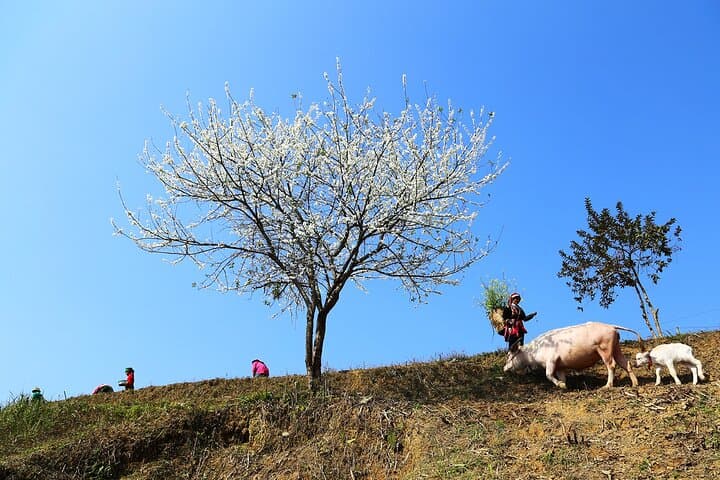
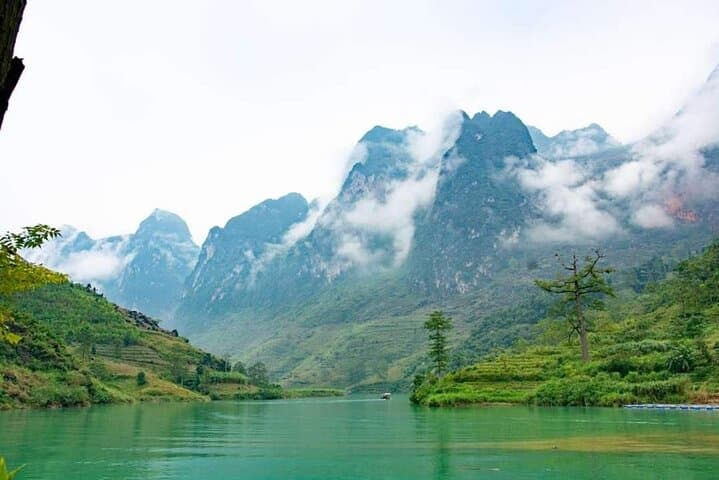
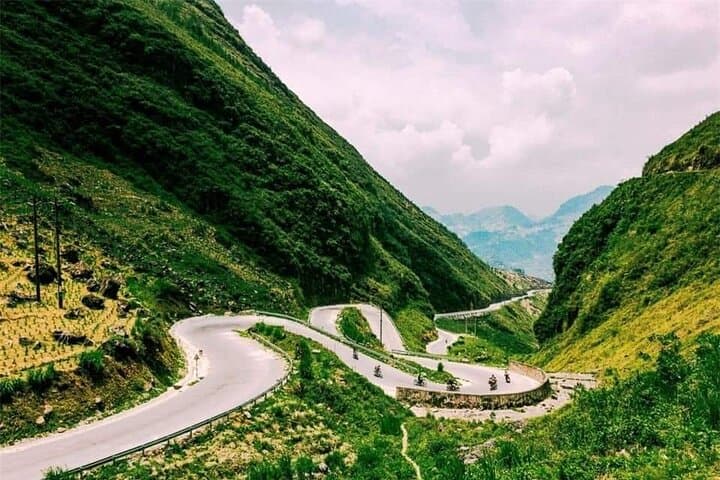
Over four days you move from Hanoi’s bustle into Ha Giang province where the Dong Van Karst Plateau demands your attention: razor ridges, steep passes and villages where traditional H’mong and Dao life remains prominent. The route threads Bac Sum and Tham Ma slopes, the scale of Ma Pi Leng pass, and a small-boat run down the emerald Nho Que River through the Tu San gorge — one of Southeast Asia’s deepest canyons.
Geologically the plateau is a living archive of karst: folded Ordovician limestone sculpted into towers, sinkholes and cliffs. Culturally this is borderland Vietnam — Lung Cu Flag Tower marks the northern limit while Dong Van old quarter and H’mong King’s Palace recall regional histories and craft traditions. Local homestays and markets reveal textile patterns and mountain cuisine: black chicken hotpot, banh cuon doi and seasonal wild herbs.
Practically, expect long vehicle transfers, short village treks and a guided boat segment; hotels in Ha Giang and Dong Van vary from comfortable 4-star to simple 2-star standards. Bring layered clothing for large diurnal shifts, sturdy footwear for wet stone and a small daypack for cameras, water and permit documents. Borderland permissions are handled on tour but travel documents must be ready. Time your visit for clear views (spring and fall often best) and leave no trace — these karsts erode slowly, but footprints and litter add up fast.
moderate.
4 days.
Suitable for travelers with basic fitness—short village treks and boat segments; long coach transfers require stamina for sitting.
Yes—this itinerary includes pickup from Hanoi’s Old Quarter and return drop-off as stated in the schedule.
A borderland permission fee applies for foreigners; the tour notes this and typically handles the paperwork once you supply passport details.
Overall the tour is suitable for most fitness levels: most days are vehicle transfers with short walks; there is one moderate trek and a boat segment on the Nho Que River.
Accommodations are a mix: 4-star hotel nights in Ha Giang city and a 2-star hotel in Dong Van town, with standard twin/double rooms.
The plateau has long been a crossroads of H’mong, Dao and Tay cultures; Dong Van was an administrative center under the French and displays distinct royal H’mong architecture.
The karst landscape is fragile—stick to paths, avoid trampling rare plants and pack out waste; support local guides and homestays to help preserve community economies.
Mekong Tourist operates guided outdoor trips and adventures with an emphasis on safety, stewardship, and memorable experiences.
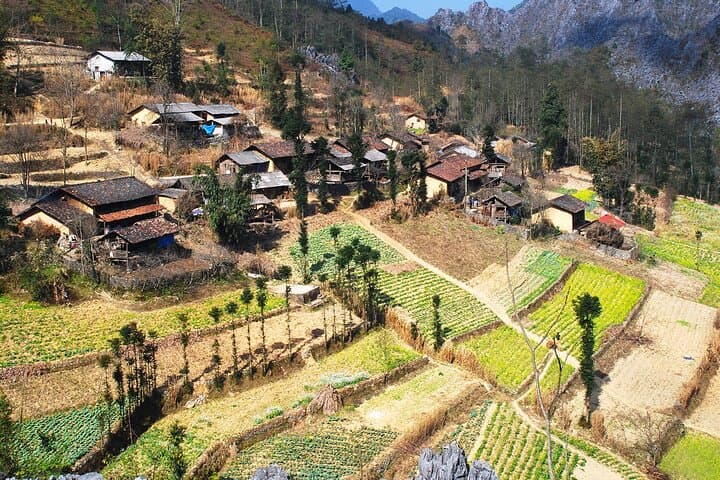
You step out of the coach and the air feels thinner, clean with dust and limestone — the road unfurls into ribs of gray stone and cultivated terraces that seem to cling to impossible slopes.
You step out of the coach and the air feels thinner, clean with dust and limestone — the road unfurls into ribs of gray stone and cultivated terraces that seem to cling to impossible slopes.
Over four days you move from Hanoi’s bustle into Ha Giang province where the Dong Van Karst Plateau demands your attention: razor ridges, steep passes and villages where traditional H’mong and Dao life remains prominent. The route threads Bac Sum and Tham Ma slopes, the scale of Ma Pi Leng pass, and a small-boat run down the emerald Nho Que River through the Tu San gorge — one of Southeast Asia’s deepest canyons.
Geologically the plateau is a living archive of karst: folded Ordovician limestone sculpted into towers, sinkholes and cliffs. Culturally this is borderland Vietnam — Lung Cu Flag Tower marks the northern limit while Dong Van old quarter and H’mong King’s Palace recall regional histories and craft traditions. Local homestays and markets reveal textile patterns and mountain cuisine: black chicken hotpot, banh cuon doi and seasonal wild herbs.
Practically, expect long vehicle transfers, short village treks and a guided boat segment; hotels in Ha Giang and Dong Van vary from comfortable 4-star to simple 2-star standards. Bring layered clothing for large diurnal shifts, sturdy footwear for wet stone and a small daypack for cameras, water and permit documents. Borderland permissions are handled on tour but travel documents must be ready. Time your visit for clear views (spring and fall often best) and leave no trace — these karsts erode slowly, but footprints and litter add up fast.