THE ADVENTURE COLLECTIVE® · Independent discovery and booking for outdoor travel

Four days from Hanoi into Ha Giang’s rugged karst plateau—drive Ma Pi Leng, boat the Tu San (Nho Que) gorge, and visit Dong Van’s markets and cultural sites. Expect dramatic passes, village walks, and a blend of geology and living borderland culture.
Four days from Hanoi into Ha Giang’s rugged karst plateau—drive Ma Pi Leng, boat the Tu San (Nho Que) gorge, and visit Dong Van’s markets and cultural sites. Expect dramatic passes, village walks, and a blend of geology and living borderland culture.
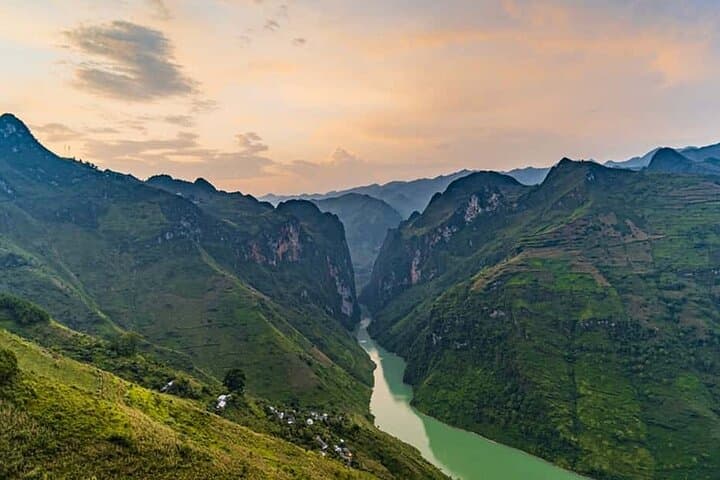
You meet the road before dawn in Hanoi’s Old Quarter and, hours later, find your bus threading up into limestone teeth and high plateaus. Cold air at Quan Ba Heaven Gate bites, clouds drift through hairline passes, and the Tu San (Nho Que) river dares you to judge its depth from the Ma Pi Leng overlook.
Verified experiences and guided adventures in the surrounding area.
Operated by Chat Tourist · Dong Van, Ha Giang
You meet the road before dawn in Hanoi’s Old Quarter and, hours later, find your bus threading up into limestone teeth and high plateaus. Cold air at Quan Ba Heaven Gate bites, clouds drift through hairline passes, and the Tu San (Nho Que) river dares you to judge its depth from the Ma Pi Leng overlook.
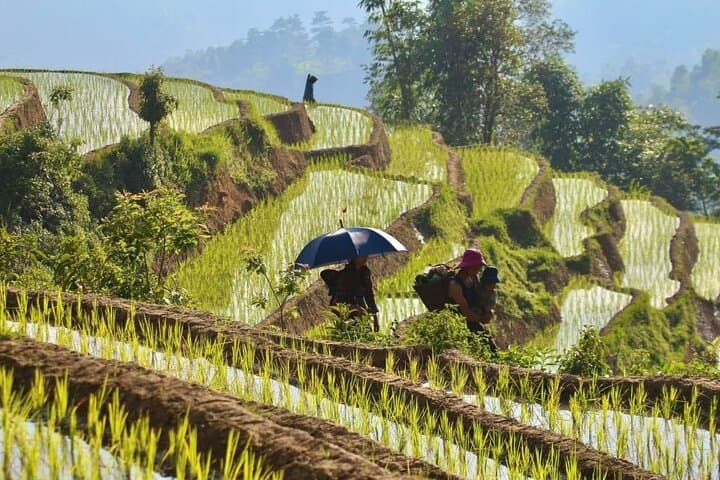
This four-day loop through Ha Giang province follows classic Dong Van Karst Plateau highlights: Bac Sum slope (≈8 km), the 21 km Ma Pi Leng Pass, Lung Cu Flag Tower, and a boat stretch down the Tu San gorge—one of Southeast Asia’s deepest canyons at roughly 1,500 m high and 700–900 m deep. Along the way you’ll pass Lung Cam village, Dong Van market, and the H’Mong King’s Palace, each place shaped by centuries of upland farming, borderland trade and minority cultures.
Geologically the plateau is a serrated limestone uplift carved by wind and water; culturally it’s home to H’Mong, Dao and other ethnic groups whose crafts, costumes and marketplaces punctuate the route. Expect hotel stays (Ha Giang 2 nights, Dong Van 1 night), local meals, a licensed guide and required borderland permission for foreigners (about US$10).
Practical edge: mornings are the best light for viewpoints and photos; mobile coverage is intermittent; bring layered clothing for 0–15°C swings at night and sturdy footwear for short village treks. Hydrate on drives and carry cash for small purchases. This is a travel-focused adventure—more driving and cultural walking than technical climbing—ideal for travelers with moderate fitness and a taste for remote landscapes.
moderate.
4 days.
Moderate fitness; able to tolerate several hours in a vehicle plus short village hikes and boat transfers.
The tour is driving-heavy with short, non-technical walks and a boat trip; participants should have moderate fitness and be comfortable with several hours on winding mountain roads.
Yes — a borderland permission fee is included for foreigners (about US$10) and guides handle the paperwork; carry your passport for checks.
Temperatures vary widely—cool mornings and evenings even in summer; expect possible fog or light rain at higher elevations and strong sun in valleys.
No — the river segment is a scenic boat transfer through Tu San canyon rather than whitewater; it requires basic stability and a willingness to board small boats.
The Dong Van Karst Plateau has long been a cultural crossroads for H’Mong, Dao and other upland peoples; the area also served strategic roles during 20th-century border conflicts and trade routes.
The geopark is protected to preserve karst formations and fragile upland ecosystems; visitors should stick to marked paths, avoid littering and minimize fire risk in dry seasons.
Chat Tourist operates guided outdoor trips and adventures with an emphasis on safety, stewardship, and memorable experiences.
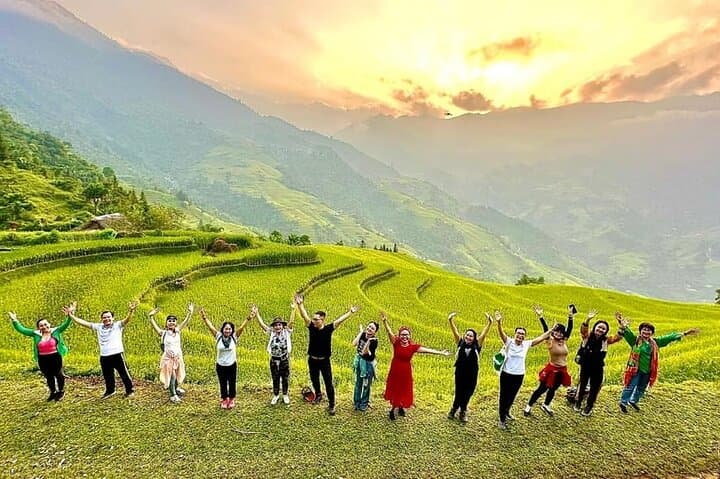
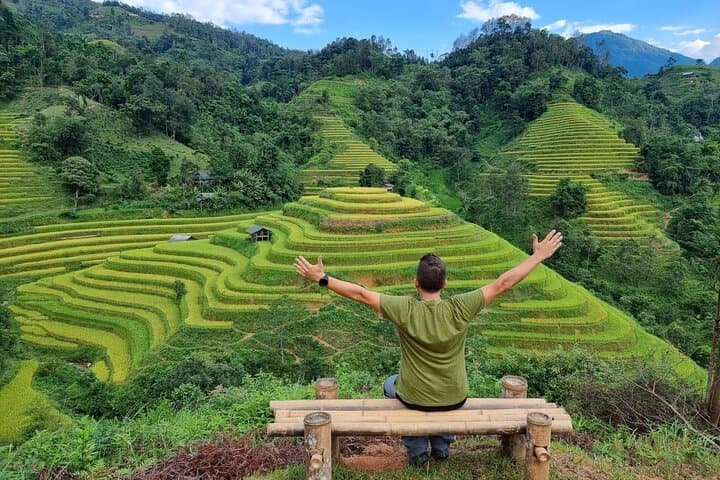
You meet the road before dawn in Hanoi’s Old Quarter and, hours later, find your bus threading up into limestone teeth and high plateaus. Cold air at Quan Ba Heaven Gate bites, clouds drift through hairline passes, and the Tu San (Nho Que) river dares you to judge its depth from the Ma Pi Leng overlook.
You meet the road before dawn in Hanoi’s Old Quarter and, hours later, find your bus threading up into limestone teeth and high plateaus. Cold air at Quan Ba Heaven Gate bites, clouds drift through hairline passes, and the Tu San (Nho Que) river dares you to judge its depth from the Ma Pi Leng overlook.
This four-day loop through Ha Giang province follows classic Dong Van Karst Plateau highlights: Bac Sum slope (≈8 km), the 21 km Ma Pi Leng Pass, Lung Cu Flag Tower, and a boat stretch down the Tu San gorge—one of Southeast Asia’s deepest canyons at roughly 1,500 m high and 700–900 m deep. Along the way you’ll pass Lung Cam village, Dong Van market, and the H’Mong King’s Palace, each place shaped by centuries of upland farming, borderland trade and minority cultures.
Geologically the plateau is a serrated limestone uplift carved by wind and water; culturally it’s home to H’Mong, Dao and other ethnic groups whose crafts, costumes and marketplaces punctuate the route. Expect hotel stays (Ha Giang 2 nights, Dong Van 1 night), local meals, a licensed guide and required borderland permission for foreigners (about US$10).
Practical edge: mornings are the best light for viewpoints and photos; mobile coverage is intermittent; bring layered clothing for 0–15°C swings at night and sturdy footwear for short village treks. Hydrate on drives and carry cash for small purchases. This is a travel-focused adventure—more driving and cultural walking than technical climbing—ideal for travelers with moderate fitness and a taste for remote landscapes.