THE ADVENTURE COLLECTIVE® · Independent discovery and booking for outdoor travel

A 3-day loop from Hanoi into Ha Giang’s Dong Van Karst Plateau—winding passes, Hmong markets, and the vertiginous Ma Pi Leng overlook. Ideal for travelers who want dramatic landscapes paired with cultural encounters.
A 3-day loop from Hanoi into Ha Giang’s Dong Van Karst Plateau—winding passes, Hmong markets, and the vertiginous Ma Pi Leng overlook. Ideal for travelers who want dramatic landscapes paired with cultural encounters.
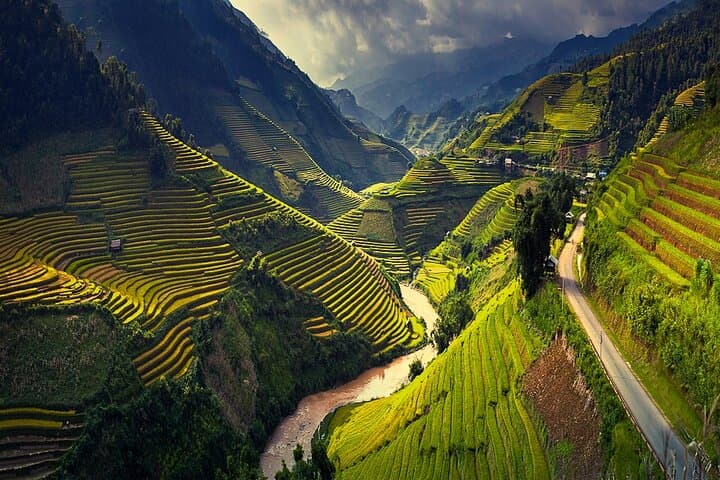
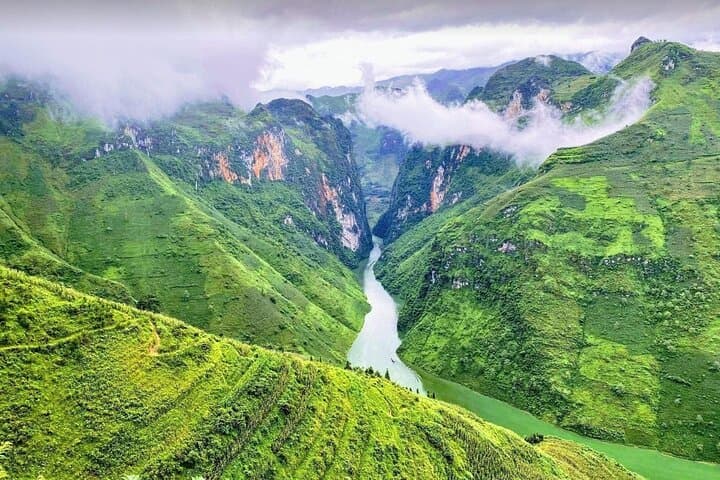
The bus slips out of Hanoi at night and by dawn you’re watching peaks sharpen against a pale sky—limestone teeth rising from fields, rivers daring you to follow their cut through canyon. Winding mountain roads thread between Quan Ba’s Heaven Gate and the switchbacks of Ma Pi Leng, each turn changing the scale: roadside villages, terraced fields, and a river gorged with green light.
Verified experiences and guided adventures in the surrounding area.
Operated by Asia Open Tour · Dong Van, Ha Giang
The bus slips out of Hanoi at night and by dawn you’re watching peaks sharpen against a pale sky—limestone teeth rising from fields, rivers daring you to follow their cut through canyon. Winding mountain roads thread between Quan Ba’s Heaven Gate and the switchbacks of Ma Pi Leng, each turn changing the scale: roadside villages, terraced fields, and a river gorged with green light.
This route crosses the Dong Van Karst Plateau, a landscape formed by uplifted limestone and millennia of erosion. The plateau is also home to Hmong, Tay and Dao communities whose embroidery, wooden stilt houses and markets preserve centuries of craft and trade. Lung Cu Flag Tower marks Vietnam’s northern edge; Dong Van Old Quarter bears traces of French-era architecture and long-distance horse-trading routes.
Expect long coach transfers, short hikes and village visits rather than technical trekking. Highlights include the panoramic hairpins at Bac Sum, the steep throat of Ma Pi Leng Pass, and a boat stretch on the Nho Que river through the Tu San gorge—the kind of canyon that insists you look up. Nights are in basic guesthouses in Dong Van; meals feature regional specialties like black chicken hotpot and rice dishes.
Practical tips: travel light and layer for temperature swings (mornings can be near-freezing, afternoons warm). Bring cash for markets and modest donations for homestays; phones and cameras will find dramatic frames but signal is intermittent. Hydrate on travel days, wear sturdy shoes for village trails, and arrive with curiosity and respect for local customs—this trip rewards attention to both landscape and people.
moderate.
3 days.
Suitable for travelers with moderate fitness: able to handle long van rides, short hikes and uneven village paths.
The tour is mostly road-based with short walks and village visits; participants should be comfortable sitting for transfers and walking up stairs or on uneven paths.
Altitudes are modest but can be cool and windy; those prone to motion sickness may want medication—the mountain roads are twisty with frequent switchbacks.
Accommodations are basic 2-star hotels or homestays in Dong Van; meals are regional Vietnamese cuisine with options for common dietary needs if requested in advance.
Signal is intermittent across the plateau; expect reliable connectivity only in larger towns like Ha Giang and some guesthouses.
The Dong Van plateau formed from ancient limestone uplift; the region’s towns developed as ethnic trade hubs with strong Hmong, Tay and Dao cultural presence.
Increased tourism strains water and waste systems—minimize single-use plastics, stay on marked paths, and support locally run homestays and craft workshops.
Asia Open Tour operates guided outdoor trips and adventures with an emphasis on safety, stewardship, and memorable experiences.


The bus slips out of Hanoi at night and by dawn you’re watching peaks sharpen against a pale sky—limestone teeth rising from fields, rivers daring you to follow their cut through canyon. Winding mountain roads thread between Quan Ba’s Heaven Gate and the switchbacks of Ma Pi Leng, each turn changing the scale: roadside villages, terraced fields, and a river gorged with green light.
The bus slips out of Hanoi at night and by dawn you’re watching peaks sharpen against a pale sky—limestone teeth rising from fields, rivers daring you to follow their cut through canyon. Winding mountain roads thread between Quan Ba’s Heaven Gate and the switchbacks of Ma Pi Leng, each turn changing the scale: roadside villages, terraced fields, and a river gorged with green light.
This route crosses the Dong Van Karst Plateau, a landscape formed by uplifted limestone and millennia of erosion. The plateau is also home to Hmong, Tay and Dao communities whose embroidery, wooden stilt houses and markets preserve centuries of craft and trade. Lung Cu Flag Tower marks Vietnam’s northern edge; Dong Van Old Quarter bears traces of French-era architecture and long-distance horse-trading routes.
Expect long coach transfers, short hikes and village visits rather than technical trekking. Highlights include the panoramic hairpins at Bac Sum, the steep throat of Ma Pi Leng Pass, and a boat stretch on the Nho Que river through the Tu San gorge—the kind of canyon that insists you look up. Nights are in basic guesthouses in Dong Van; meals feature regional specialties like black chicken hotpot and rice dishes.
Practical tips: travel light and layer for temperature swings (mornings can be near-freezing, afternoons warm). Bring cash for markets and modest donations for homestays; phones and cameras will find dramatic frames but signal is intermittent. Hydrate on travel days, wear sturdy shoes for village trails, and arrive with curiosity and respect for local customs—this trip rewards attention to both landscape and people.