THE ADVENTURE COLLECTIVE® · Independent discovery and booking for outdoor travel

Walk village lanes, tend fruit gardens with local families, and learn to cook five-color sticky rice on this full-day Ha Giang trek. Expect easy-to-moderate terrain, cultural exchange with Hmong and Tay communities, and a hands-on day of food and farming.
Walk village lanes, tend fruit gardens with local families, and learn to cook five-color sticky rice on this full-day Ha Giang trek. Expect easy-to-moderate terrain, cultural exchange with Hmong and Tay communities, and a hands-on day of food and farming.
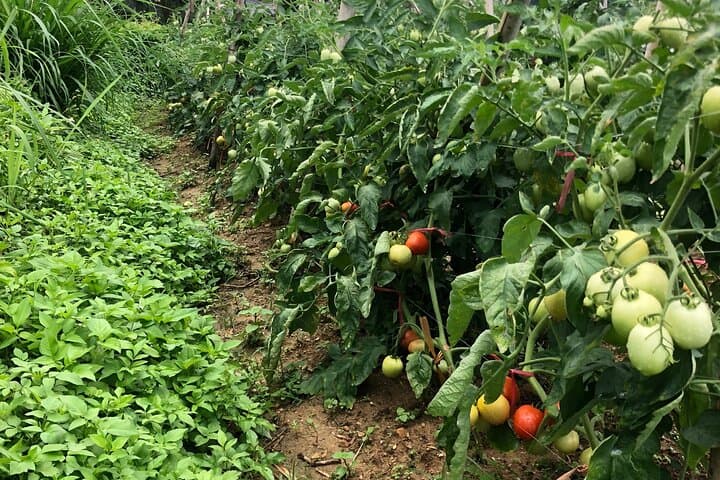
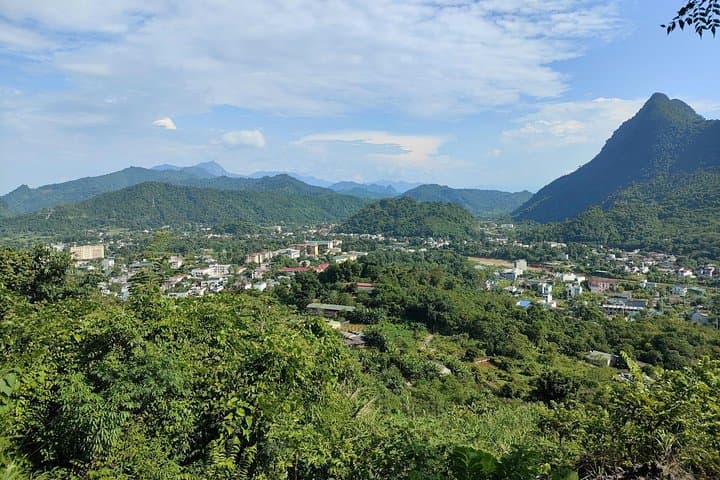
Dawn lifts off the limestone ridges around Ha Giang and the forest exhales cool, sap-scented air. You step from a village lane onto a narrow track that threads between timber plots, guava trees and smallholdings of corn and sweet potato. Birds pick through the undergrowth; a river sometimes dares you to cross on slick stones. The day stretches long but gentle — a mix of walking, hands-on gardening and a family-style cooking class.
Verified experiences and guided adventures in the surrounding area.
Operated by Dragon Team Tour · Ha Giang, Ha Giang Province
Dawn lifts off the limestone ridges around Ha Giang and the forest exhales cool, sap-scented air. You step from a village lane onto a narrow track that threads between timber plots, guava trees and smallholdings of corn and sweet potato. Birds pick through the undergrowth; a river sometimes dares you to cross on slick stones. The day stretches long but gentle — a mix of walking, hands-on gardening and a family-style cooking class.
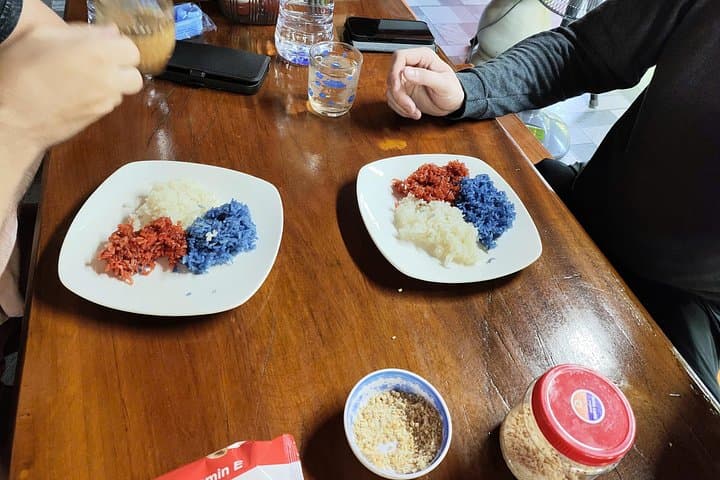
Geology here is karst and folded sedimentary rock uplifted by tectonic stress, creating steep ridgelines and narrow valleys that local farmers carve into terraced fields. Ha Giang Province is home to ethnic groups such as the Hmong and Tay; their daily rhythms — tending fruit gardens, drying corn, and dyeing textiles — shape the valley. The five-color sticky rice you’ll make is a practiced regional dish, using local glutinous rice colored with natural ingredients and shared communally.
Expect 8–12 km of walking over uneven village tracks and forest paths with roughly 200–400 m cumulative elevation gain, mostly short climbs between fields rather than steep alpine ascents. Terrain is dirt, compacted farm track and occasional stone; waterproof footwear and steady footing are useful. The itinerary blends observation and participation: you’ll work in a garden, borrow bicycles to visit the nearest town, and sit with hosts to cook and eat what you prepare.
Practicalities: carry 2–3 liters of water, sun protection, insect repellent and a small first-aid kit. The day is suitable for most fitness levels but not recommended for those with spinal, serious heart conditions or pregnancy. Start early to avoid midday heat and check for seasonal rain — in the monsoon months trails can be slippery. Plan to engage respectfully: ask before photographing people and follow hosts’ guidance during hands-on activities.
moderate.
9–10 hours.
Suitable for travelers with light to moderate fitness who can walk several miles on uneven terrain; frequent short rests are typical.
The route is a full-day mix of village tracks and gentle forest paths with short climbs; cumulative elevation gain is moderate (roughly 200–400 m) and suitable for most walkers.
Meals (breakfast, lunch and dinner on the itinerary) and bottled water are included, but you should still carry your own water bottle for refills during the day.
The tour is generally suitable for a wide range of ages and fitness levels, but it is not recommended for travelers with spinal injuries, serious heart conditions or pregnancy.
Free bicycle borrowing is offered to visit the nearby town; confirm meeting and return logistics with the operator before departure.
Ha Giang sits on routes historically used by upland ethnic groups and traders; its landscape reflects centuries of terrace agriculture and communal land use.
Visitors should avoid littering, stick to established paths through gardens and forests, and respect crop boundaries; local guides work to balance tourism with traditional livelihoods.
Dragon Team Tour operates guided outdoor trips and adventures with an emphasis on safety, stewardship, and memorable experiences.

Dawn lifts off the limestone ridges around Ha Giang and the forest exhales cool, sap-scented air. You step from a village lane onto a narrow track that threads between timber plots, guava trees and smallholdings of corn and sweet potato. Birds pick through the undergrowth; a river sometimes dares you to cross on slick stones. The day stretches long but gentle — a mix of walking, hands-on gardening and a family-style cooking class.
Dawn lifts off the limestone ridges around Ha Giang and the forest exhales cool, sap-scented air. You step from a village lane onto a narrow track that threads between timber plots, guava trees and smallholdings of corn and sweet potato. Birds pick through the undergrowth; a river sometimes dares you to cross on slick stones. The day stretches long but gentle — a mix of walking, hands-on gardening and a family-style cooking class.
Geology here is karst and folded sedimentary rock uplifted by tectonic stress, creating steep ridgelines and narrow valleys that local farmers carve into terraced fields. Ha Giang Province is home to ethnic groups such as the Hmong and Tay; their daily rhythms — tending fruit gardens, drying corn, and dyeing textiles — shape the valley. The five-color sticky rice you’ll make is a practiced regional dish, using local glutinous rice colored with natural ingredients and shared communally.
Expect 8–12 km of walking over uneven village tracks and forest paths with roughly 200–400 m cumulative elevation gain, mostly short climbs between fields rather than steep alpine ascents. Terrain is dirt, compacted farm track and occasional stone; waterproof footwear and steady footing are useful. The itinerary blends observation and participation: you’ll work in a garden, borrow bicycles to visit the nearest town, and sit with hosts to cook and eat what you prepare.
Practicalities: carry 2–3 liters of water, sun protection, insect repellent and a small first-aid kit. The day is suitable for most fitness levels but not recommended for those with spinal, serious heart conditions or pregnancy. Start early to avoid midday heat and check for seasonal rain — in the monsoon months trails can be slippery. Plan to engage respectfully: ask before photographing people and follow hosts’ guidance during hands-on activities.