THE ADVENTURE COLLECTIVE® · Independent discovery and booking for outdoor travel

A five-day guided motorbike loop through Ha Giang’s dramatic karst plateau, visiting Hill‑Tribe villages, market stops and panoramic passes. Expect long riding days, homestays, and dramatic mountain roads best tackled with a guide.
A five-day guided motorbike loop through Ha Giang’s dramatic karst plateau, visiting Hill‑Tribe villages, market stops and panoramic passes. Expect long riding days, homestays, and dramatic mountain roads best tackled with a guide.
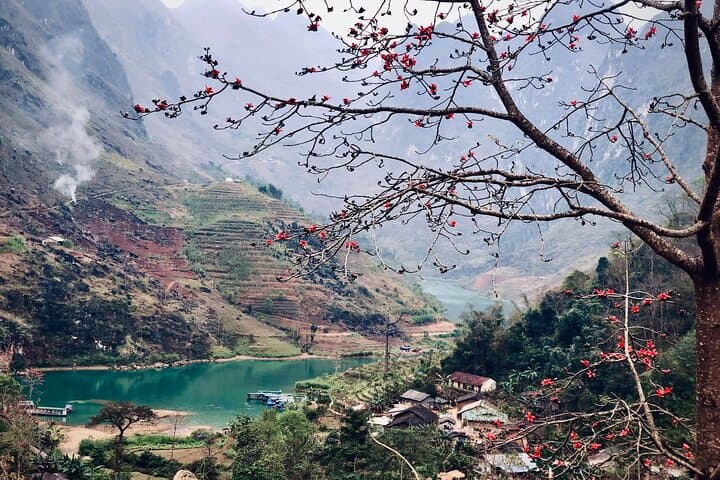
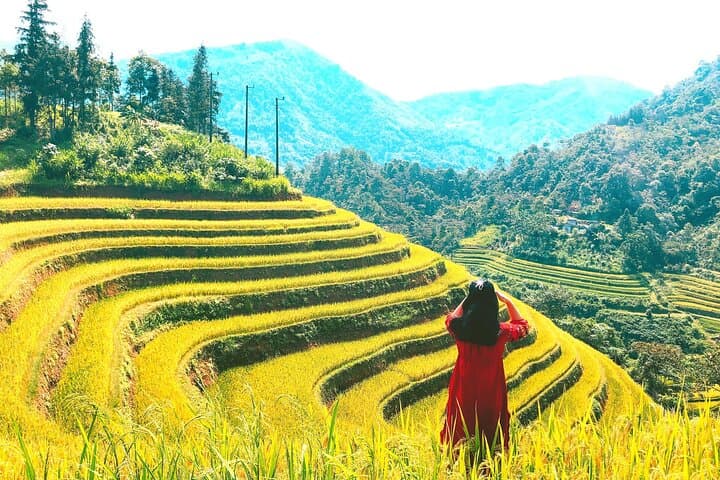
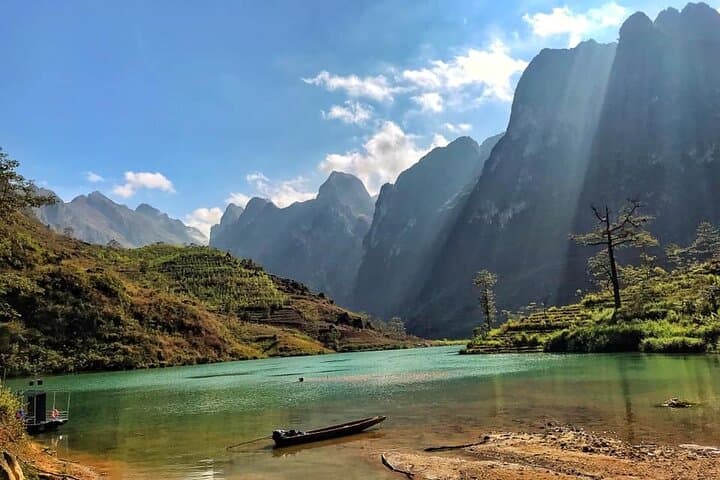
Dawn in Ha Giang arrives cold and sharp; the first bends of the pass unfurl like a ribbon beneath your wheels and the limestone ridges lean in, daring you to ride farther. Over five days the road becomes a sequence of scenes — razor-backed karst, narrow switchbacks, patchwork rice terraces, and market stalls where traders call out in hill‑tribe tongues.
Verified experiences and guided adventures in the surrounding area.
Operated by Vitawell Travel · Ha Giang, Ha Giang Province
Dawn in Ha Giang arrives cold and sharp; the first bends of the pass unfurl like a ribbon beneath your wheels and the limestone ridges lean in, daring you to ride farther. Over five days the road becomes a sequence of scenes — razor-backed karst, narrow switchbacks, patchwork rice terraces, and market stalls where traders call out in hill‑tribe tongues.
Geology here is obvious: you’re riding across the Dong Van Karst Plateau, a UNESCO-recognized landscape carved into pinnacles and plateaus over millions of years. Culturally, Ha Giang is home to H’Mong, Tay and other ethnic groups; traditional brocade and the Vuong family ‘Hmong King’ house punctuate the route. Small villages and homestays give a direct window into daily life — morning markets, weaving demonstrations and locally cooked meals.
Practical travel notes: expect long riding days on narrow, sometimes steep roads with loose gravel on shoulder sections. Elevations climb above 1,400–1,600 m in places; temperature swings are common, especially at dawn and dusk. Guides handle route logistics and many tours provide a support vehicle for luggage. Accommodation alternates between simple homestays and modest hotels with basic hot-water facilities.
Bring a well‑fitted helmet, layered clothing and a waterproof shell; hydrate frequently and plan fuel stops — pumps are infrequent on remote stretches. Respect local customs at markets and homestays, and leave no trace on fragile karst slopes. Ride defensively on the Ma Pi Leng and Quan Ba passes, and let the road set the day’s rhythm.
challenging.
5 days.
Moderate to good cardio and endurance for long days on a motorbike plus short walks in villages; comfortable mounting/dismounting required.
Guides typically provide bikes and handle local regulations; if you plan to ride independently, bring an international driving permit and a valid motorcycle license.
Autumn (Sept–Nov) and spring (Mar–May) offer stable weather and clearer views; summer can be wet with occasional road washouts.
Homestays are basic but clean — expect shared bathrooms, simple bedding, and authentic local meals prepared by hosts.
Riding itself isn’t highly aerobic, but long saddle time and altitude changes require good endurance and mobility for getting on/off the bike and short walks.
The Dong Van Karst Plateau has both geological importance and a layered cultural history; the Vuong family residence in Dong Van reflects H’Mong local leadership during the late 19th–20th centuries.
The karst plateau is ecologically fragile; stick to roads and trails, avoid single‑use plastics in villages, and support local guides and homestays to benefit communities.
Vitawell Travel operates guided outdoor trips and adventures with an emphasis on safety, stewardship, and memorable experiences.
Dawn in Ha Giang arrives cold and sharp; the first bends of the pass unfurl like a ribbon beneath your wheels and the limestone ridges lean in, daring you to ride farther. Over five days the road becomes a sequence of scenes — razor-backed karst, narrow switchbacks, patchwork rice terraces, and market stalls where traders call out in hill‑tribe tongues.
Dawn in Ha Giang arrives cold and sharp; the first bends of the pass unfurl like a ribbon beneath your wheels and the limestone ridges lean in, daring you to ride farther. Over five days the road becomes a sequence of scenes — razor-backed karst, narrow switchbacks, patchwork rice terraces, and market stalls where traders call out in hill‑tribe tongues.
Geology here is obvious: you’re riding across the Dong Van Karst Plateau, a UNESCO-recognized landscape carved into pinnacles and plateaus over millions of years. Culturally, Ha Giang is home to H’Mong, Tay and other ethnic groups; traditional brocade and the Vuong family ‘Hmong King’ house punctuate the route. Small villages and homestays give a direct window into daily life — morning markets, weaving demonstrations and locally cooked meals.
Practical travel notes: expect long riding days on narrow, sometimes steep roads with loose gravel on shoulder sections. Elevations climb above 1,400–1,600 m in places; temperature swings are common, especially at dawn and dusk. Guides handle route logistics and many tours provide a support vehicle for luggage. Accommodation alternates between simple homestays and modest hotels with basic hot-water facilities.
Bring a well‑fitted helmet, layered clothing and a waterproof shell; hydrate frequently and plan fuel stops — pumps are infrequent on remote stretches. Respect local customs at markets and homestays, and leave no trace on fragile karst slopes. Ride defensively on the Ma Pi Leng and Quan Ba passes, and let the road set the day’s rhythm.