THE ADVENTURE COLLECTIVE® · Independent discovery and booking for outdoor travel

Ride through northern Vietnam’s raw karst country on a four-day motorbike loop from Ha Giang City. Expect long riding days, narrow passes like Ma Pi Leng, a boat trip on the Nho Que, and deep encounters with H’Mong and Dao highland life.
Ride through northern Vietnam’s raw karst country on a four-day motorbike loop from Ha Giang City. Expect long riding days, narrow passes like Ma Pi Leng, a boat trip on the Nho Que, and deep encounters with H’Mong and Dao highland life.
You climb onto a Japanese single-cylinder, feel the engine settle, and the road unfurls — hairpin after hairpin carved into limestone. Morning mist lifts from the valleys as you leave Ha Giang City and follow a route that threads Quan Ba’s Heaven Gate, the lonely tree at Can Ti, and the serrated ridges of the Dong Van Karst Plateau.
Verified experiences and guided adventures in the surrounding area.
Operated by AZOTOUR Vietnam · Ha Giang City, Ha Giang Province
You climb onto a Japanese single-cylinder, feel the engine settle, and the road unfurls — hairpin after hairpin carved into limestone. Morning mist lifts from the valleys as you leave Ha Giang City and follow a route that threads Quan Ba’s Heaven Gate, the lonely tree at Can Ti, and the serrated ridges of the Dong Van Karst Plateau.
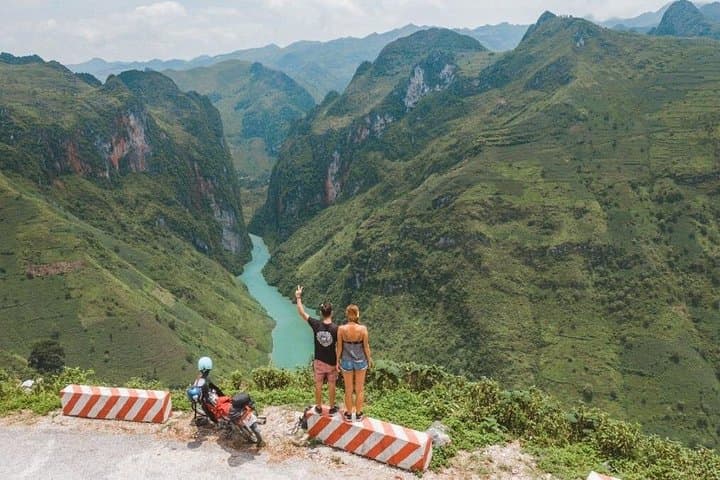
This four-day loop traces borderland history and dramatic geology. The province sits on ancient carbonate rock uplifted into karst towers; Ma Pi Leng Pass (around 1,200 m) drops into views across the Nho Que gorge where a short motorboat trip reveals Tu San Canyon’s vertigo-inducing cliffs. You’ll visit Lung Cu Flag — Vietnam’s northernmost marker — and the French-era Vuong King Palace, touching both local H’Mong and Dao culture along the way.
Practical bite: expect 100–150 km riding days on mixed asphalt and rough provincial roads, long hours in the saddle, and sharp weather swings between sun and drizzle. Helmets, fuel, and basic insurance are commonly included, but bring layered riding gear, gloves, and a small first-aid kit. Noon breaks are the best time for photos and to refuel both bike and body; avoid exposed passes in heavy rain.
Local insights: vendors sell sticky rice and tea; Lung Tam artisans still weave linen by hand. Respect private yards, ask before photographing people, and carry cash — ATMs are sparse beyond Ha Giang City.
This route rewards riders who can handle technical curves and want an immersive patchwork of geology, culture, and highland road-work adventure.
challenging.
4 days.
Moderate fitness recommended: stamina for long seated rides, ability to mount/dismount bikes and walk short uneven trails.
Local operators usually provide bikes and guides; check operator rules—an international or Vietnamese license and prior riding experience are often required.
Expect 80–150 km per riding day, with long hours on winding roads; Day 2 and Day 4 approximate 150 km, Day 3 about 85 km.
Many tours include helmets, fuel, and basic insurance; confirm specifics with the operator before booking.
Not recommended for novice riders due to steep passes and mixed surfaces; beginners should join with an experienced guide or choose a car option.
Ha Giang’s uplands formed borderlands between ethnic groups and carry French colonial-era relics and royal sites like Vuong King Palace.
Traffic and tourism can stress fragile karst landscapes; stick to roads, avoid littering, and support local homestays to direct income to communities.
AZOTOUR Vietnam operates guided outdoor trips and adventures with an emphasis on safety, stewardship, and memorable experiences.
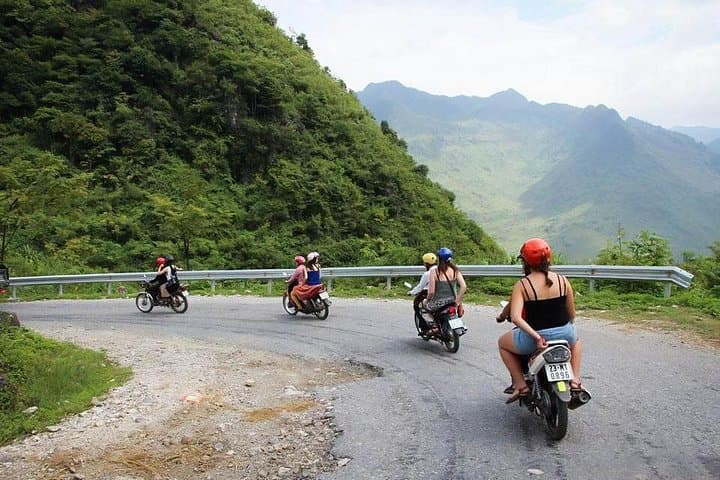
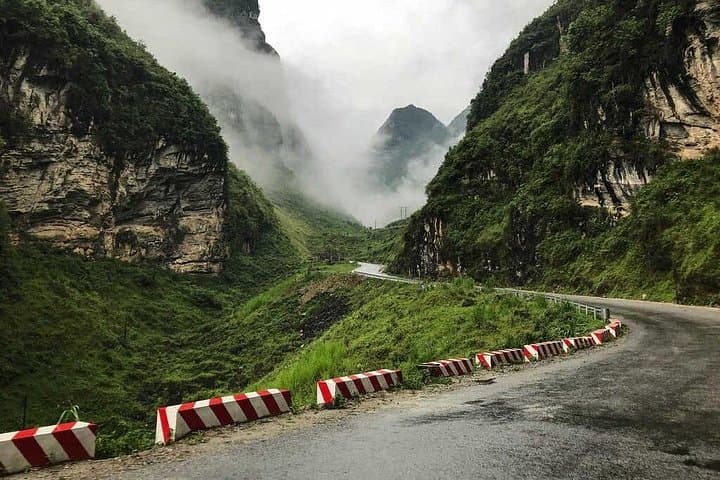
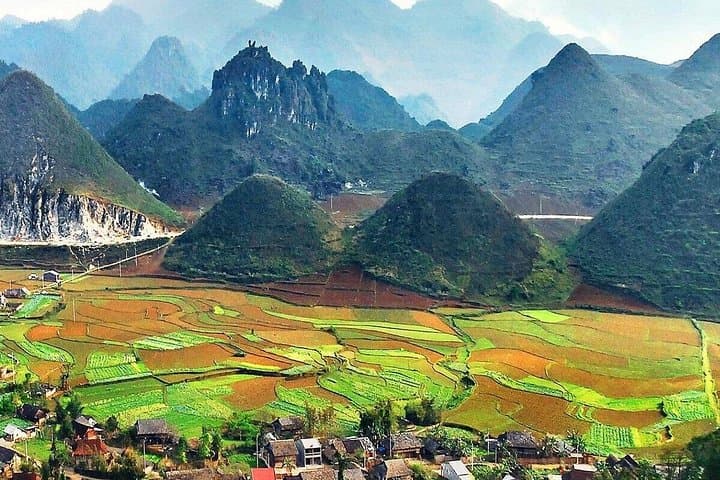
You climb onto a Japanese single-cylinder, feel the engine settle, and the road unfurls — hairpin after hairpin carved into limestone. Morning mist lifts from the valleys as you leave Ha Giang City and follow a route that threads Quan Ba’s Heaven Gate, the lonely tree at Can Ti, and the serrated ridges of the Dong Van Karst Plateau.
You climb onto a Japanese single-cylinder, feel the engine settle, and the road unfurls — hairpin after hairpin carved into limestone. Morning mist lifts from the valleys as you leave Ha Giang City and follow a route that threads Quan Ba’s Heaven Gate, the lonely tree at Can Ti, and the serrated ridges of the Dong Van Karst Plateau.
This four-day loop traces borderland history and dramatic geology. The province sits on ancient carbonate rock uplifted into karst towers; Ma Pi Leng Pass (around 1,200 m) drops into views across the Nho Que gorge where a short motorboat trip reveals Tu San Canyon’s vertigo-inducing cliffs. You’ll visit Lung Cu Flag — Vietnam’s northernmost marker — and the French-era Vuong King Palace, touching both local H’Mong and Dao culture along the way.
Practical bite: expect 100–150 km riding days on mixed asphalt and rough provincial roads, long hours in the saddle, and sharp weather swings between sun and drizzle. Helmets, fuel, and basic insurance are commonly included, but bring layered riding gear, gloves, and a small first-aid kit. Noon breaks are the best time for photos and to refuel both bike and body; avoid exposed passes in heavy rain.
Local insights: vendors sell sticky rice and tea; Lung Tam artisans still weave linen by hand. Respect private yards, ask before photographing people, and carry cash — ATMs are sparse beyond Ha Giang City.
This route rewards riders who can handle technical curves and want an immersive patchwork of geology, culture, and highland road-work adventure.