THE ADVENTURE COLLECTIVE® · Independent discovery and booking for outdoor travel

A 4-day loop from Hanoi into Vietnam’s northern karst highlands, this trip mixes motorbike passes, short treks and a boat ride through Nho Que’s deep canyon. Expect homestays, ethnic villages and dramatic overlooks like Ma Pi Leng.
A 4-day loop from Hanoi into Vietnam’s northern karst highlands, this trip mixes motorbike passes, short treks and a boat ride through Nho Que’s deep canyon. Expect homestays, ethnic villages and dramatic overlooks like Ma Pi Leng.
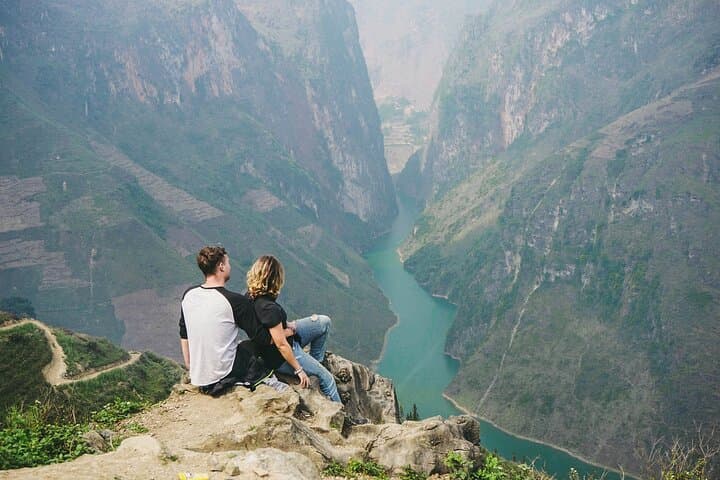
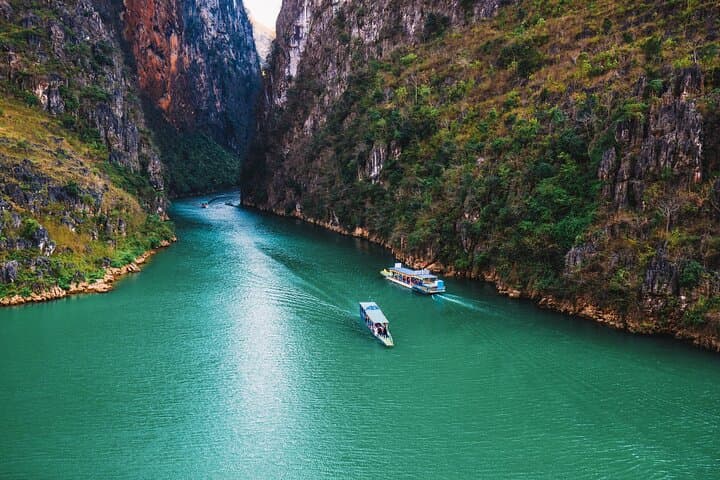
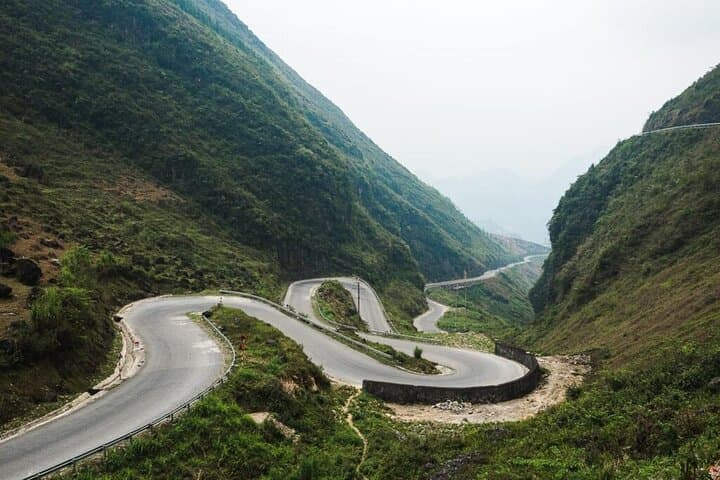
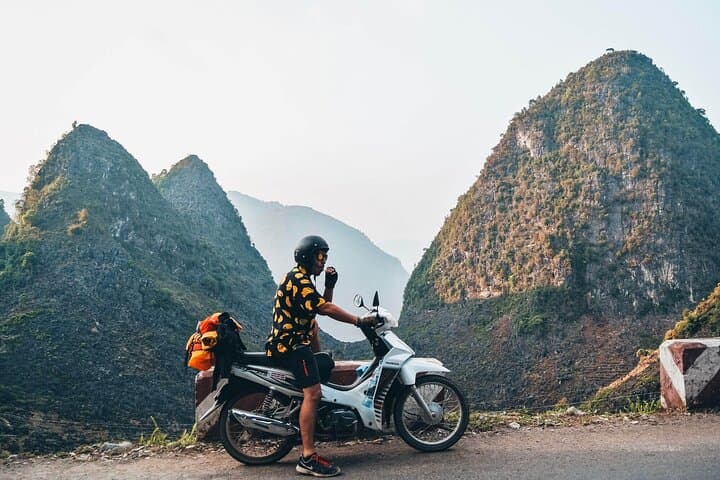
The sleeper bus exhales into Ha Giang before dawn and the valley takes you—wind combing ridgelines, rice terraces folding like pages in a slow book. Over four days riders move from Bac Sum Pass through Quan Ba’s twin hills, across the spine of Ma Pi Leng, and down to the green ribs of Nho Que River where limestone cliffs dare you to look over the edge.
Verified experiences and guided adventures in the surrounding area.
Operated by Mekong Tourist · Ha Giang, Ha Giang Province
The sleeper bus exhales into Ha Giang before dawn and the valley takes you—wind combing ridgelines, rice terraces folding like pages in a slow book. Over four days riders move from Bac Sum Pass through Quan Ba’s twin hills, across the spine of Ma Pi Leng, and down to the green ribs of Nho Que River where limestone cliffs dare you to look over the edge.
This is travel through the Dong Van Karst Plateau, a UNESCO Global Geopark whose limestone peaks were laid down under an ancient sea more than 400 million years ago. The route threads past Vuong Palace, a 20th-century reminder of local power and cross-cultural trade. Villages along the way are home to Hmong, Tay, Nung and Lo Lo communities; markets, textiles and home-cooked meals are as much part of the landscape as switchbacks and canyons.
Expect a mix of riding and short treks—the Lung Khuy Cave approach is roughly 2 km on karst terrain; the Ma Pi Leng Sky Path offers panoramic overlooks above the Tu San canyon and Nho Que boat runs. Accommodation is primarily homestay dorm rooms; evenings are for communal meals and sunset gatherings.
Practical guidance: you’ll be on a 110cc semi-automatic motorbike for long stretches—basic riding competence is essential. Weather shifts fast at altitude, so layer and carry rain protection. Bring cash for remote villages, a refillable water bottle, and sturdy footwear for short hikes and slippery river rocks. Respect household customs in homestays and keep waste packed out: karst ecosystems recover slowly.
moderate.
4 days.
Moderate fitness—comfortable with multiple days of riding, short hikes (up to 2–3 km) and long travel days.
Basic riding experience is required; tours use 110cc semi-automatic bikes and expect riders to handle mountainous roads—guides and support are provided.
Guides typically speak functional English for logistics and interpretation; expect some language variation in remote villages where translation is intermittent.
Accommodations are mostly homestays and simple dorm-style rooms in Yen Minh, Meo Vac and Du Gia—amenities are basic but authentic; bring personal toiletries and a towel.
Boat trips are generally safe; currents can be strong and water is cold—swimming is possible at designated waterfall spots but use caution and follow guide instructions.
The Dong Van Karst Plateau is a UNESCO Global Geopark with karst formations and cultural landscapes shaped by centuries of ethnic trade and 20th-century local rulers like the Vuong family.
The karst terrain is ecologically fragile; stick to trails, limit single-use plastics and support local homestays to keep tourism benefits in the community.
Mekong Tourist operates guided outdoor trips and adventures with an emphasis on safety, stewardship, and memorable experiences.
The sleeper bus exhales into Ha Giang before dawn and the valley takes you—wind combing ridgelines, rice terraces folding like pages in a slow book. Over four days riders move from Bac Sum Pass through Quan Ba’s twin hills, across the spine of Ma Pi Leng, and down to the green ribs of Nho Que River where limestone cliffs dare you to look over the edge.
The sleeper bus exhales into Ha Giang before dawn and the valley takes you—wind combing ridgelines, rice terraces folding like pages in a slow book. Over four days riders move from Bac Sum Pass through Quan Ba’s twin hills, across the spine of Ma Pi Leng, and down to the green ribs of Nho Que River where limestone cliffs dare you to look over the edge.
This is travel through the Dong Van Karst Plateau, a UNESCO Global Geopark whose limestone peaks were laid down under an ancient sea more than 400 million years ago. The route threads past Vuong Palace, a 20th-century reminder of local power and cross-cultural trade. Villages along the way are home to Hmong, Tay, Nung and Lo Lo communities; markets, textiles and home-cooked meals are as much part of the landscape as switchbacks and canyons.
Expect a mix of riding and short treks—the Lung Khuy Cave approach is roughly 2 km on karst terrain; the Ma Pi Leng Sky Path offers panoramic overlooks above the Tu San canyon and Nho Que boat runs. Accommodation is primarily homestay dorm rooms; evenings are for communal meals and sunset gatherings.
Practical guidance: you’ll be on a 110cc semi-automatic motorbike for long stretches—basic riding competence is essential. Weather shifts fast at altitude, so layer and carry rain protection. Bring cash for remote villages, a refillable water bottle, and sturdy footwear for short hikes and slippery river rocks. Respect household customs in homestays and keep waste packed out: karst ecosystems recover slowly.