THE ADVENTURE COLLECTIVE® · Independent discovery and booking for outdoor travel

Three days on the Ha Giang Loop moves from overnight bus to high passes, Hmong and Dao villages, and a dramatic descent to the Nho Que River. This trip balances cultural encounters with raw karst landscapes—ideal for travelers seeking remote mountain roads and short alpine walks.
Three days on the Ha Giang Loop moves from overnight bus to high passes, Hmong and Dao villages, and a dramatic descent to the Nho Que River. This trip balances cultural encounters with raw karst landscapes—ideal for travelers seeking remote mountain roads and short alpine walks.
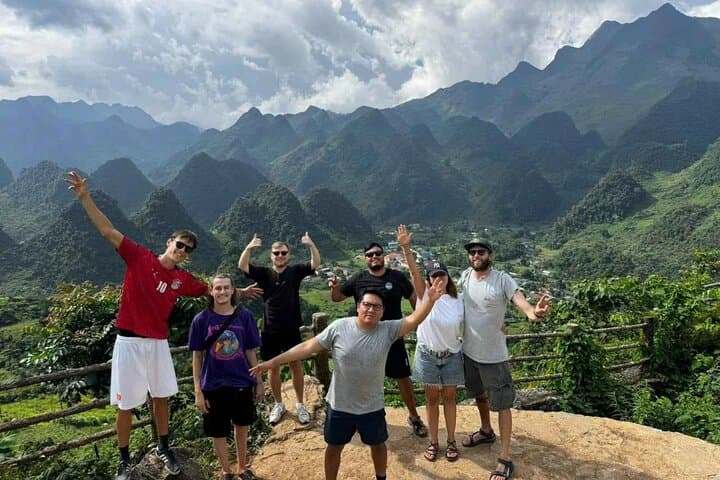
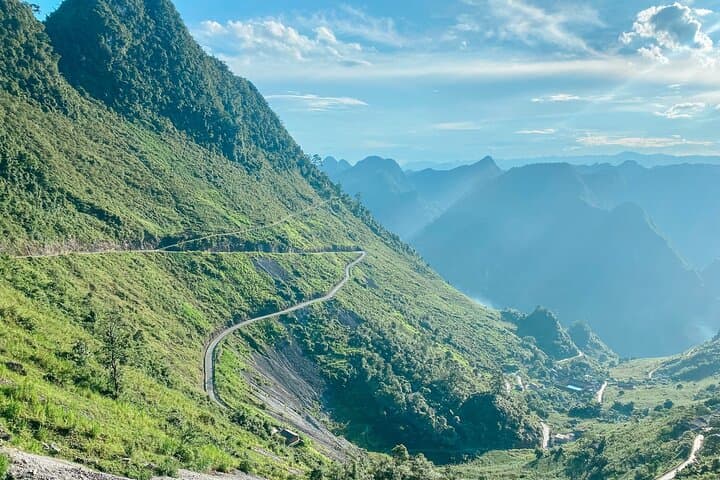
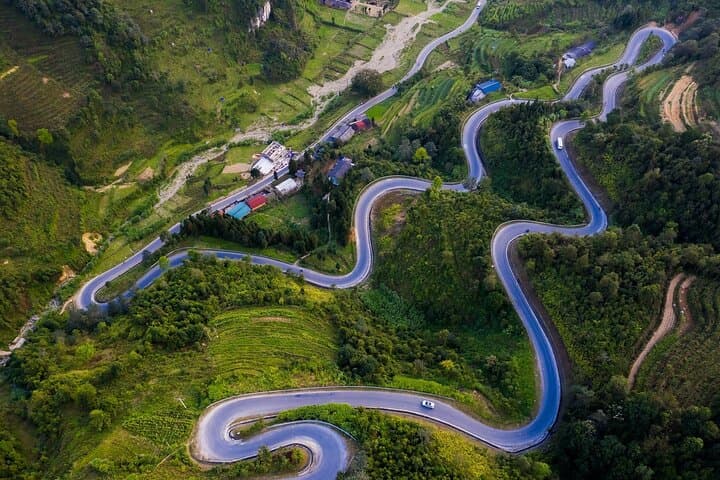
Night on the sleeper bus dissolves into a thin blue light as you step into Ha Giang’s high air—sharp, vegetal and a little cold. The road immediately climbs, carving switchbacks through limestone ribs; the driver leans into curves while the valley below unfurls like a page of exposed geology. By morning you’re at Bac Sum Pass and later Ma Pi Leng, where cliffs drop so suddenly the Nho Que River seems to be daring you to look down.
Verified experiences and guided adventures in the surrounding area.
Operated by Asia Open Tour · Ha Giang, Ha Giang
Night on the sleeper bus dissolves into a thin blue light as you step into Ha Giang’s high air—sharp, vegetal and a little cold. The road immediately climbs, carving switchbacks through limestone ribs; the driver leans into curves while the valley below unfurls like a page of exposed geology. By morning you’re at Bac Sum Pass and later Ma Pi Leng, where cliffs drop so suddenly the Nho Que River seems to be daring you to look down.
This three-day loop threads history, geology and living culture. The Dong Van Karst Plateau is a UNESCO-recognized karst landscape of weathered limestone towers and narrow terraces sculpted over millennia. Villages of Hmong, Dao and Tay families cling to plateaus and cultivate ridge-side fields; you’ll pass the Hmong King’s Palace—an archive of regional politics and 20th-century wealth—then walk the Sky Path for sweeping valley views.
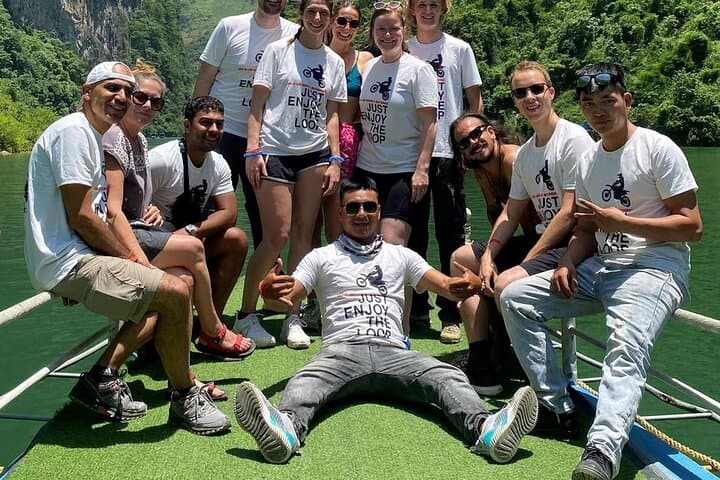
Expect homestays and small hotels, simple meals of rice, mountain greens and locally raised pork, and opportunities to kayak on the emerald Nho Que.
Practical edge: the pass reaches roughly 2,000 m at its highest points; temperatures swing quickly, roads are narrow, and short steep treks on the Sky Path require steady footing. Bring layered clothing, sun protection, cash for small purchases, and a light daypack. If you ride as an easy rider, wear closed shoes and a proper helmet.
The route rewards slow attention: stone walls, carved terraces, the rhythms of village life and a river that keeps cutting deeper into the plateau.
moderate.
3 days.
Moderate endurance for long drives, short hikes and time on motorbikes; comfortable walking for 1–2 hours at a time.
No—most join as passengers with an experienced easy rider guide; if you plan to ride yourself, disclose that when booking and ensure you have local license and confidence on mountain roads.
The Ma Pi Leng area reaches near 2,000 meters; some short hikes climb to viewpoints but extended high-altitude trekking is not required.
Yes—meals listed and two nights of accommodation (including one homestay) are included, as well as sleeper-bus transfers between Hanoi and Ha Giang per the itinerary.
The tour notes it is not recommended for those with serious cardiovascular issues due to long drives, winding roads and altitude—check with your physician before booking.
The Dong Van Plateau has long been home to diverse ethnic groups and was historically a frontier region; the Hmong King’s Palace reflects early 20th-century local power and trade links.
Tourism pressure is increasing—stay on marked paths, avoid single-use plastics, and support homestays and local guides to ensure benefits remain community-based.
Asia Open Tour operates guided outdoor trips and adventures with an emphasis on safety, stewardship, and memorable experiences.
Night on the sleeper bus dissolves into a thin blue light as you step into Ha Giang’s high air—sharp, vegetal and a little cold. The road immediately climbs, carving switchbacks through limestone ribs; the driver leans into curves while the valley below unfurls like a page of exposed geology. By morning you’re at Bac Sum Pass and later Ma Pi Leng, where cliffs drop so suddenly the Nho Que River seems to be daring you to look down.
Night on the sleeper bus dissolves into a thin blue light as you step into Ha Giang’s high air—sharp, vegetal and a little cold. The road immediately climbs, carving switchbacks through limestone ribs; the driver leans into curves while the valley below unfurls like a page of exposed geology. By morning you’re at Bac Sum Pass and later Ma Pi Leng, where cliffs drop so suddenly the Nho Que River seems to be daring you to look down.
This three-day loop threads history, geology and living culture. The Dong Van Karst Plateau is a UNESCO-recognized karst landscape of weathered limestone towers and narrow terraces sculpted over millennia. Villages of Hmong, Dao and Tay families cling to plateaus and cultivate ridge-side fields; you’ll pass the Hmong King’s Palace—an archive of regional politics and 20th-century wealth—then walk the Sky Path for sweeping valley views.
Expect homestays and small hotels, simple meals of rice, mountain greens and locally raised pork, and opportunities to kayak on the emerald Nho Que.
Practical edge: the pass reaches roughly 2,000 m at its highest points; temperatures swing quickly, roads are narrow, and short steep treks on the Sky Path require steady footing. Bring layered clothing, sun protection, cash for small purchases, and a light daypack. If you ride as an easy rider, wear closed shoes and a proper helmet.
The route rewards slow attention: stone walls, carved terraces, the rhythms of village life and a river that keeps cutting deeper into the plateau.