THE ADVENTURE COLLECTIVE® · Independent discovery and booking for outdoor travel

Three days of dramatic cliffs, Ma Pi Leng’s vertiginous views and homestays among Hmong, Dao and Tay communities. This concise loop combines scenic driving, short treks and a river option for a compact northern Vietnam experience.
Three days of dramatic cliffs, Ma Pi Leng’s vertiginous views and homestays among Hmong, Dao and Tay communities. This concise loop combines scenic driving, short treks and a river option for a compact northern Vietnam experience.
Dawn breaks over twisting ribbons of asphalt as the sleeper bus eases out of Hanoi and the plain becomes a folding of ridges. By the time you reach Ha Giang, clouds are running the ridgelines and limestone towers sharpen into spires above terraced rice fields. The road climbs, the air thins, and the Nho Que River dares you to peer over cliffs from the Ma Pi Leng lookout.
Verified experiences and guided adventures in the surrounding area.
Operated by Daisy Tourist · Ha Giang, Ha Giang Province
Dawn breaks over twisting ribbons of asphalt as the sleeper bus eases out of Hanoi and the plain becomes a folding of ridges. By the time you reach Ha Giang, clouds are running the ridgelines and limestone towers sharpen into spires above terraced rice fields. The road climbs, the air thins, and the Nho Que River dares you to peer over cliffs from the Ma Pi Leng lookout.
This three-day loop threads history and geology: the Dong Van Karst Plateau, a UNESCO Global Geopark, shows limestone eroded into knobby towers and deep karst valleys carved across millions of years. Cultural layers are just as visible—Hmong, Dao and Tay communities tend highland fields, dye textiles by hand and host travelers in simple homestays. The Hmong King’s Palace in Sa Phin offers a window into 20th-century regional power and architecture.
Expect a mix of long scenic drives, short hikes—Sky Path is a steep scramble with panoramic payoff—and a gentle boat or kayak option on the Nho Que to see the gorge from the water. Nights range from dorm-style buses or hostels to intimate homestays with local meals. Weather shifts fast: sun, wind and occasional rain shape each day.
Practical guidance: bring layers, waterproofs and a sturdy pair of walking shoes; pace your hikes at altitude and carry water. Plan for early starts and vehicle transfers; confirm dietary needs with guides. Respect village customs, support homestays, and give the karst landscape room to breathe—pack out waste and follow local guidance when walking near cliffs.
moderate.
3 days (approx. 72 hours including transfers).
Basic to moderate fitness; comfortable with long vehicle transfers, short steep hikes, and uneven trails at altitude.
The itinerary involves long drives, short steep walks (Sky Path) and easy village trails—no technical climbing, but good mobility and stamina help.
Peaks reach around 2,000 m at Ma Pi Leng; most travelers manage with rest, hydration and a slow pace—those with serious heart problems should consult a doctor.
Expect a mix: overnight sleeper bus, basic hostels and family-run homestays with simple facilities—hot showers may be limited in remote spots.
Yes—operators typically accept requests for vegetarian, vegan or gluten-free meals if noted at booking.
The Dong Van Karst Plateau has long been a cultural crossroads for Hmong, Dao and Tay groups; Sa Phin’s Hmong King’s Palace reflects 20th-century regional leadership and architecture.
The karst plateau is fragile—stay on trails, minimize waste, and support local homestays to spread tourism benefits while reducing pressure on single sites.
Daisy Tourist operates guided outdoor trips and adventures with an emphasis on safety, stewardship, and memorable experiences.
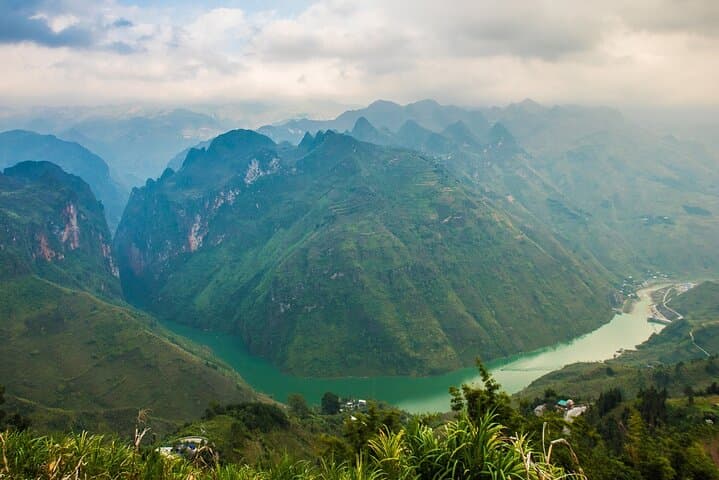
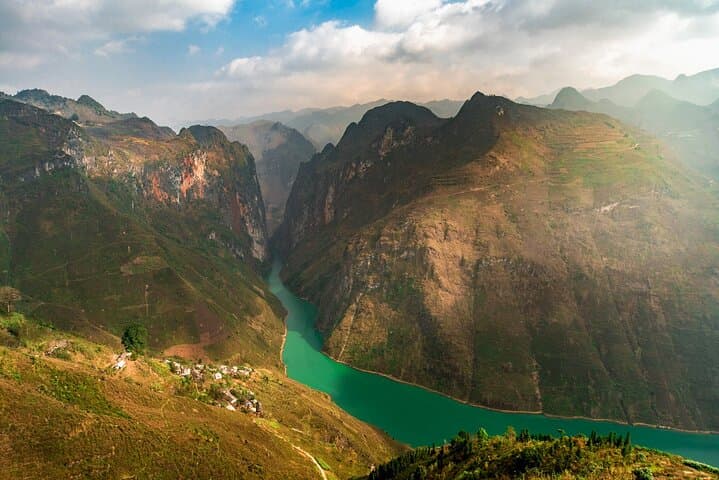
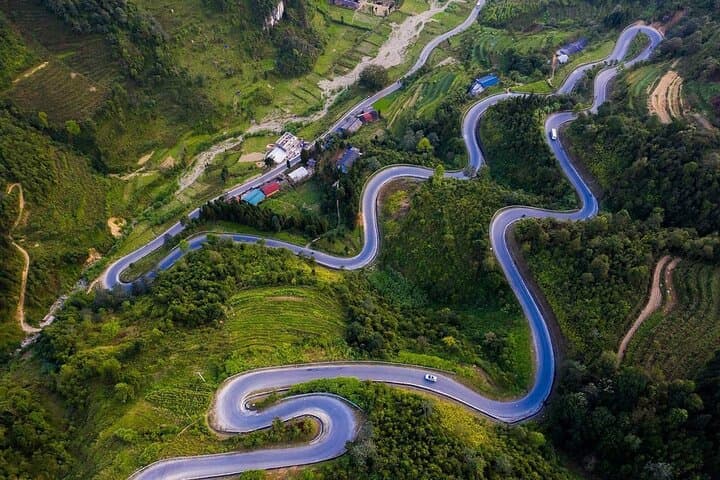
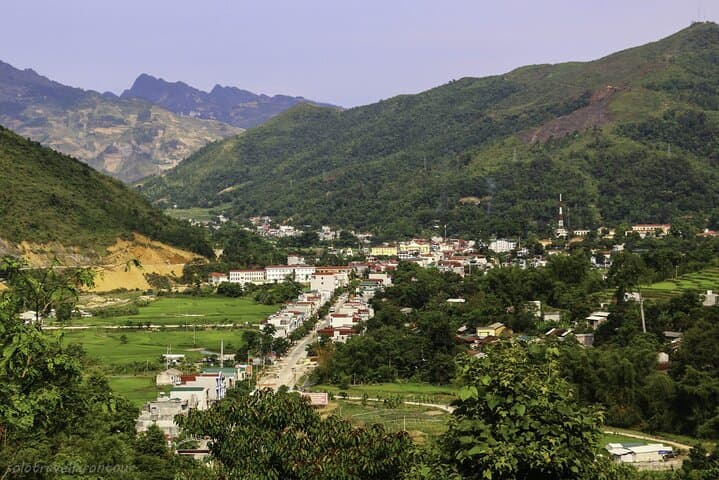
Dawn breaks over twisting ribbons of asphalt as the sleeper bus eases out of Hanoi and the plain becomes a folding of ridges. By the time you reach Ha Giang, clouds are running the ridgelines and limestone towers sharpen into spires above terraced rice fields. The road climbs, the air thins, and the Nho Que River dares you to peer over cliffs from the Ma Pi Leng lookout.
Dawn breaks over twisting ribbons of asphalt as the sleeper bus eases out of Hanoi and the plain becomes a folding of ridges. By the time you reach Ha Giang, clouds are running the ridgelines and limestone towers sharpen into spires above terraced rice fields. The road climbs, the air thins, and the Nho Que River dares you to peer over cliffs from the Ma Pi Leng lookout.
This three-day loop threads history and geology: the Dong Van Karst Plateau, a UNESCO Global Geopark, shows limestone eroded into knobby towers and deep karst valleys carved across millions of years. Cultural layers are just as visible—Hmong, Dao and Tay communities tend highland fields, dye textiles by hand and host travelers in simple homestays. The Hmong King’s Palace in Sa Phin offers a window into 20th-century regional power and architecture.
Expect a mix of long scenic drives, short hikes—Sky Path is a steep scramble with panoramic payoff—and a gentle boat or kayak option on the Nho Que to see the gorge from the water. Nights range from dorm-style buses or hostels to intimate homestays with local meals. Weather shifts fast: sun, wind and occasional rain shape each day.
Practical guidance: bring layers, waterproofs and a sturdy pair of walking shoes; pace your hikes at altitude and carry water. Plan for early starts and vehicle transfers; confirm dietary needs with guides. Respect village customs, support homestays, and give the karst landscape room to breathe—pack out waste and follow local guidance when walking near cliffs.