THE ADVENTURE COLLECTIVE® · Independent discovery and booking for outdoor travel

An overnight bus from Hanoi delivers you to a highland circuit of precipitous passes and karst plateaus. Over three days you'll cross Ma Pi Leng, peer down the Nho Que gorge and stay in village homestays that reveal the region's cultural heart.
An overnight bus from Hanoi delivers you to a highland circuit of precipitous passes and karst plateaus. Over three days you'll cross Ma Pi Leng, peer down the Nho Que gorge and stay in village homestays that reveal the region's cultural heart.
Night hums behind you as the sleeper bus pulls out of Hanoi; by dawn the mountains have already risen to meet the road. You step off in Ha Giang, cool air slicing across a hard-won stretch of asphalt, and the Ha Giang Loop unfurls—a three‑day ribbon of switchbacks, cliffs and karst plateaus that dares you to keep looking.
Verified experiences and guided adventures in the surrounding area.
Operated by Mekong Tourist · Ha Giang, Ha Giang Province
Night hums behind you as the sleeper bus pulls out of Hanoi; by dawn the mountains have already risen to meet the road. You step off in Ha Giang, cool air slicing across a hard-won stretch of asphalt, and the Ha Giang Loop unfurls—a three‑day ribbon of switchbacks, cliffs and karst plateaus that dares you to keep looking.
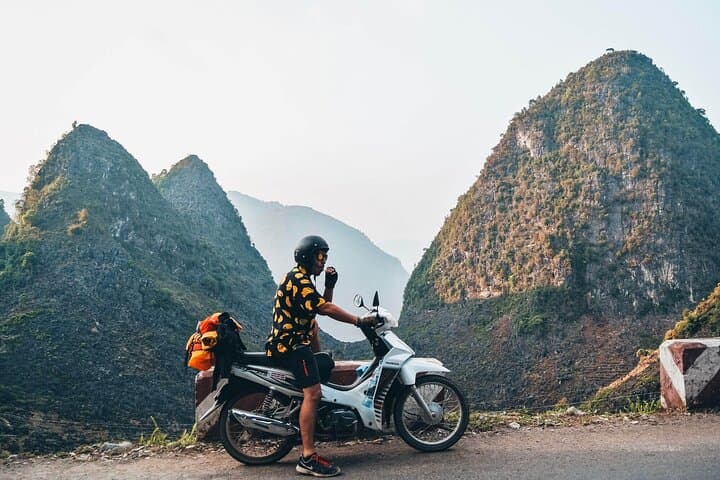
This circuit threads the Dong Van Karst Plateau Geopark, a UNESCO‑recognized landscape of limestone towers and eroded ridgelines that record hundreds of millions of years of geology. Culture rides alongside geology here: Hmong, Dao and Tay villages crowd terraces and valley flats, and the Hmong King’s Palace at Sa Phin adds a 20th‑century layer to a region shaped by older traditions.
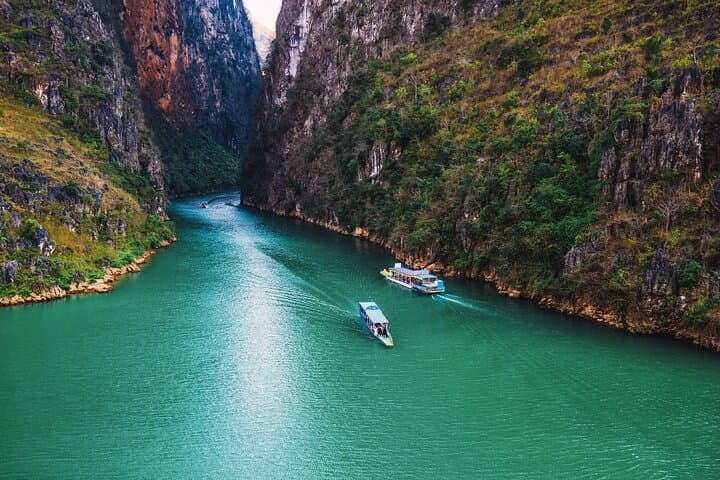
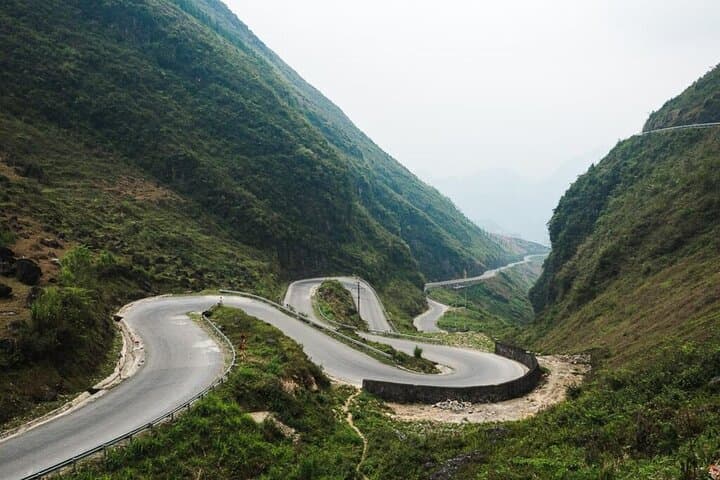
Highlights include the spine‑tingling Ma Pi Leng Pass (peaks near 2,000 m), a sky road that gazes down into the Nho Que River gorge, and Dong Van’s moonlike karst fields. Expect paved but narrow roads, frequent hairpins, occasional gravel patches and agricultural traffic; the loop covers roughly 250–350 km depending on routing.
Practically: travel by overnight sleeper bus from Hanoi to Ha Giang, then minibuses and local drivers for the loop, with at least one homestay night and basic hostel options. Pack layered clothing for 10–20°C swings, sturdy shoes for short treks to viewpoints, and cash for village purchases. Plan for limited cell signal in valleys, leave no trace in fragile karst fields, and give extra time for photo stops—the landscape insists on them.
moderate.
3 days.
Suitable for travelers with basic fitness; the trip involves long vehicle transfers, short hikes to viewpoints and uneven village paths.
Most groups include an overnight sleeper bus departing Hanoi late evening and arriving in Ha Giang early morning; private transfers are also possible.
Yes—this tour uses drivers and support transport; if you prefer not to ride motorcycles, ask for transfers by minibus or van segments.
Elevations reach about 2,000 m at Ma Pi Leng but altitude change is gradual; most visitors do not experience serious symptoms—stay hydrated and rest if you feel unwell.
Homestays in the region range from simple family rooms to modestly upgraded stays; expect basic amenities but authentic cultural interaction.
The Dong Van Karst Plateau was recognized as a UNESCO Global Geopark for its dramatic limestone formations; the Hmong King’s Palace in Sa Phin reflects 20th‑century local history and the power of regional families.
Tourism supports village incomes but also stresses fragile karst ecosystems—stick to trails, avoid single‑use plastics and choose locally run homestays when possible.
Mekong Tourist operates guided outdoor trips and adventures with an emphasis on safety, stewardship, and memorable experiences.

Night hums behind you as the sleeper bus pulls out of Hanoi; by dawn the mountains have already risen to meet the road. You step off in Ha Giang, cool air slicing across a hard-won stretch of asphalt, and the Ha Giang Loop unfurls—a three‑day ribbon of switchbacks, cliffs and karst plateaus that dares you to keep looking.
Night hums behind you as the sleeper bus pulls out of Hanoi; by dawn the mountains have already risen to meet the road. You step off in Ha Giang, cool air slicing across a hard-won stretch of asphalt, and the Ha Giang Loop unfurls—a three‑day ribbon of switchbacks, cliffs and karst plateaus that dares you to keep looking.
This circuit threads the Dong Van Karst Plateau Geopark, a UNESCO‑recognized landscape of limestone towers and eroded ridgelines that record hundreds of millions of years of geology. Culture rides alongside geology here: Hmong, Dao and Tay villages crowd terraces and valley flats, and the Hmong King’s Palace at Sa Phin adds a 20th‑century layer to a region shaped by older traditions.
Highlights include the spine‑tingling Ma Pi Leng Pass (peaks near 2,000 m), a sky road that gazes down into the Nho Que River gorge, and Dong Van’s moonlike karst fields. Expect paved but narrow roads, frequent hairpins, occasional gravel patches and agricultural traffic; the loop covers roughly 250–350 km depending on routing.
Practically: travel by overnight sleeper bus from Hanoi to Ha Giang, then minibuses and local drivers for the loop, with at least one homestay night and basic hostel options. Pack layered clothing for 10–20°C swings, sturdy shoes for short treks to viewpoints, and cash for village purchases. Plan for limited cell signal in valleys, leave no trace in fragile karst fields, and give extra time for photo stops—the landscape insists on them.