THE ADVENTURE COLLECTIVE® · Independent discovery and booking for outdoor travel

A three‑day circuit into Vietnam’s northern highlands that pairs the dramatic Ma Pi Leng Pass with the Dong Van Karst Plateau, river gorges and homestay culture. Expect long scenic drives, short hikes, and close encounters with Hmong, Dao and Tay communities.
A three‑day circuit into Vietnam’s northern highlands that pairs the dramatic Ma Pi Leng Pass with the Dong Van Karst Plateau, river gorges and homestay culture. Expect long scenic drives, short hikes, and close encounters with Hmong, Dao and Tay communities.
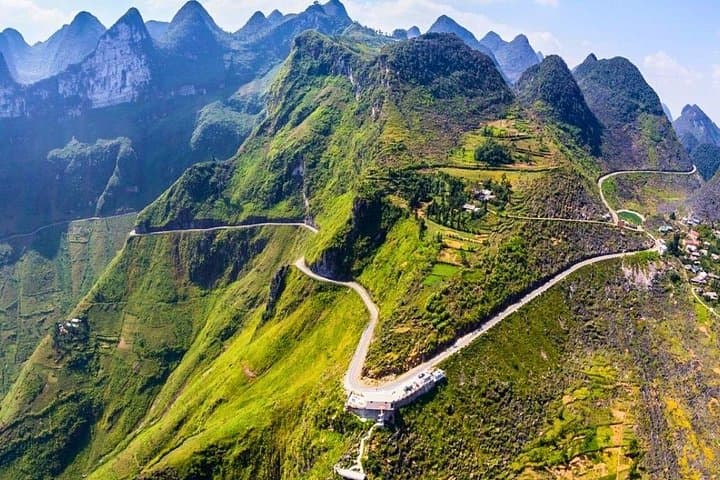
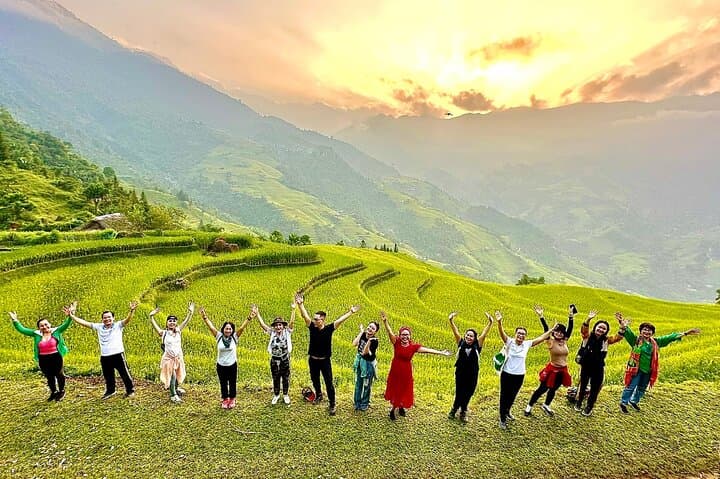
Night bus motion blurs Hanoi’s neon into a ribbon and by dawn you’re waking into a different Vietnam: serrated limestone ridges, terraces angled like steps for the sky, and a road that clings to cliffs. The Ha Giang 3-day loop arrives as an exercise in highland contrasts—long miles of winding tarmac, sudden viewpoints, and villages where language and lifestyle still follow rhythms older than the asphalt.
Verified experiences and guided adventures in the surrounding area.
Operated by Dragon Tourist - Vina Cruise · Ha Giang, Ha Giang Province
Night bus motion blurs Hanoi’s neon into a ribbon and by dawn you’re waking into a different Vietnam: serrated limestone ridges, terraces angled like steps for the sky, and a road that clings to cliffs. The Ha Giang 3-day loop arrives as an exercise in highland contrasts—long miles of winding tarmac, sudden viewpoints, and villages where language and lifestyle still follow rhythms older than the asphalt.
Geologically the route runs across the Dong Van Karst Plateau, one of Vietnam’s recognized geoparks where limestone folded, cracked and eroded into towers and plateaus over millions of years. Culturally, the trip threads through Hmong, Dao and Tay communities; a stop at the Hmong King’s Palace in Sa Phin illustrates colonial-era wealth and local craftsmanship, while market stops and homestays offer insight into textile weaving and upland agriculture. The Ma Pi Leng Pass—peaking near 2,000 m—dominates day two: the Sky Path trek gives a compact, panoramic look down into the Nho Que River gorge and cliffs that seem to dare you to look away.
Practically, expect early starts, several hours of seated travel between photo stops, and short guided hikes (often under 2–3 km) on uneven trails. Accommodation alternates mattress-on-bus, simple homestay rooms and a hotel night in Dong Van. Weather can flip between sun and cold rain; layers, steady footwear and a dry bag for river trips or kayaking on the Nho Que are sensible. Hydrate at altitude, be prepared for narrow passes and local traffic, and allow extra time for photography and cultural exchanges—this is less a race than a paced immersion into Vietnam’s northern highlands.
moderate.
3 days.
Moderate fitness recommended: able to handle several hours of walking or standing, plus long periods seated in vehicle.
The tour is rated moderate: most walking is short but on uneven ground; there are long vehicle transfers and some uphill viewpoints to reach.
Yes—local guides know the safest stops; the road can be narrow and exposed, so follow guide instructions and avoid standing close to unguarded edges after rain.
The itinerary includes one night on a sleeper bus, one hotel night in Dong Van and one night in a homestay (Du Gia), all modest and locally run.
Yes—operators can usually cater to vegetarian, vegan and gluten‑free requests if noted at booking.
The Dong Van Karst Plateau was recognized as a global geopark in 2010 for its unique karst landscape and cultural heritage of multiple ethnic groups.
Tourism pressure and erosion are active concerns—stick to marked paths, avoid single‑use plastics, and support local homestays to keep economic benefits within villages.
Dragon Tourist - Vina Cruise operates guided outdoor trips and adventures with an emphasis on safety, stewardship, and memorable experiences.


Night bus motion blurs Hanoi’s neon into a ribbon and by dawn you’re waking into a different Vietnam: serrated limestone ridges, terraces angled like steps for the sky, and a road that clings to cliffs. The Ha Giang 3-day loop arrives as an exercise in highland contrasts—long miles of winding tarmac, sudden viewpoints, and villages where language and lifestyle still follow rhythms older than the asphalt.
Night bus motion blurs Hanoi’s neon into a ribbon and by dawn you’re waking into a different Vietnam: serrated limestone ridges, terraces angled like steps for the sky, and a road that clings to cliffs. The Ha Giang 3-day loop arrives as an exercise in highland contrasts—long miles of winding tarmac, sudden viewpoints, and villages where language and lifestyle still follow rhythms older than the asphalt.
Geologically the route runs across the Dong Van Karst Plateau, one of Vietnam’s recognized geoparks where limestone folded, cracked and eroded into towers and plateaus over millions of years. Culturally, the trip threads through Hmong, Dao and Tay communities; a stop at the Hmong King’s Palace in Sa Phin illustrates colonial-era wealth and local craftsmanship, while market stops and homestays offer insight into textile weaving and upland agriculture. The Ma Pi Leng Pass—peaking near 2,000 m—dominates day two: the Sky Path trek gives a compact, panoramic look down into the Nho Que River gorge and cliffs that seem to dare you to look away.
Practically, expect early starts, several hours of seated travel between photo stops, and short guided hikes (often under 2–3 km) on uneven trails. Accommodation alternates mattress-on-bus, simple homestay rooms and a hotel night in Dong Van. Weather can flip between sun and cold rain; layers, steady footwear and a dry bag for river trips or kayaking on the Nho Que are sensible. Hydrate at altitude, be prepared for narrow passes and local traffic, and allow extra time for photography and cultural exchanges—this is less a race than a paced immersion into Vietnam’s northern highlands.