THE ADVENTURE COLLECTIVE® · Independent discovery and booking for outdoor travel

A three-day loop from Ha Giang city that traverses the Dong Van Karst Plateau, climbs Ma Pi Leng Pass, and explores Lung Khuy cave. Expect long scenic drives, short hikes, local markets, and river views on the Nho Que.
A three-day loop from Ha Giang city that traverses the Dong Van Karst Plateau, climbs Ma Pi Leng Pass, and explores Lung Khuy cave. Expect long scenic drives, short hikes, local markets, and river views on the Nho Que.
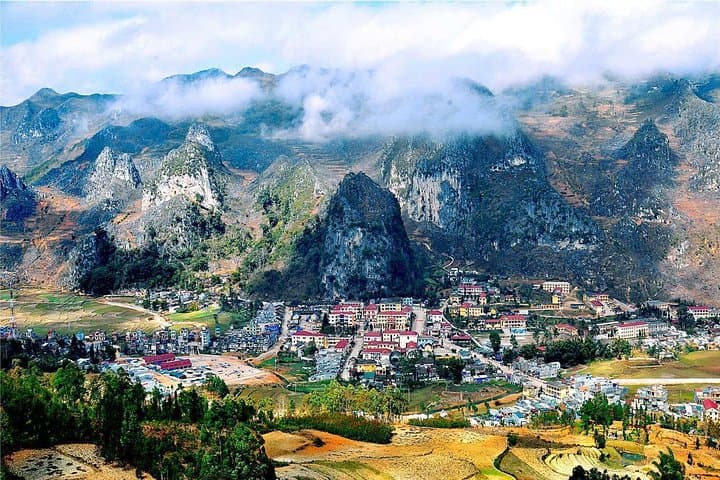
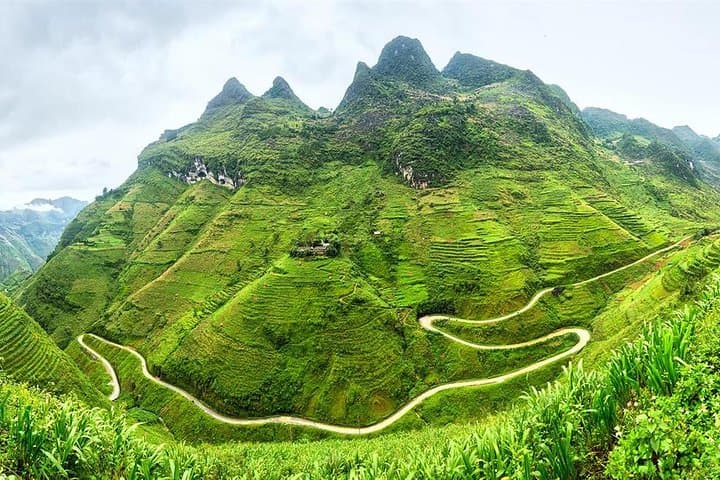
Dawn breaks over a high northern road and the bus eases past limestone teeth and terraced fields; cold air nips at your face as the valley opens to the Ma Pi Leng pass. Over three days the landscape changes from cultivated benches to raw karst ridges, cliffs slicing down to the Nho Que River that dares you to look over the edge.
Verified experiences and guided adventures in the surrounding area.
Operated by Danang Hoian Private Tour · Ha Giang, Ha Giang Province
Dawn breaks over a high northern road and the bus eases past limestone teeth and terraced fields; cold air nips at your face as the valley opens to the Ma Pi Leng pass. Over three days the landscape changes from cultivated benches to raw karst ridges, cliffs slicing down to the Nho Que River that dares you to look over the edge.
This route threads through the Dong Van Karst Plateau — a UNESCO Global Geopark — where geology reads like a history of uplift and erosion and ethnic minority villages (chiefly H’Mong and Dao) preserve centuries-old customs. Vuong King’s Palace near Sa Phin speaks to local governance in the early 20th century; markets in Meo Vac are alive with woven textiles, livestock, and bargaining in several languages.
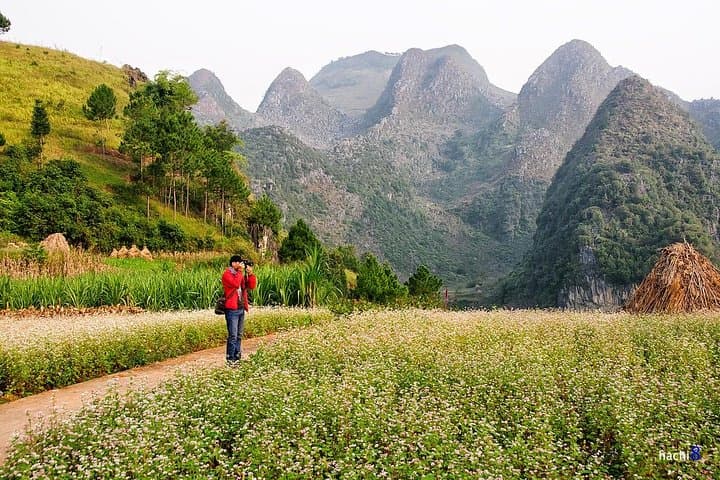
Expect long but scenic driving stretches, short guided walks around Quan Ba’s Twin Hills, a river boat on the Nho Que, and a spelunking-style visit to Lung Khuy cave. Accommodation is basic guesthouse or homestay; meals are typically local dishes included in the itinerary.
Practical points: travel between April–October for drier roads and clearer views; pack sturdy shoes, layered clothing for temperature swings, sun protection, and any personal medicines. Roads are narrow and winding — motion sensitivity and limited cell signal are common — so allow time and patience. Bring cash for small purchases, respect local customs at markets and homestays, and leave no trace: the karst landscape is fragile and benefits from low-impact travel.
moderate.
3 days (approx. 72 hours).
Suitable for travelers in light to moderate physical condition—able to manage several short walks and sit through long vehicle transfers.
The tour is mostly vehicle-based with short guided walks; basic mobility is sufficient though you should be comfortable getting on/off the vehicle and walking on uneven ground.
Elevations reach roughly 1,200–1,600 m in places; most travelers experience mild symptoms at most—stay hydrated and rest if needed.
Typical inclusions are accommodation (guesthouses), breakfasts, specified lunches and dinners, an English-speaking guide, entrance fees, and transport in an air-conditioned vehicle as noted in the itinerary.
April–October offers drier roads and clearer views; winters are cold and some roads may be foggy or slippery.
The Dong Van Karst Plateau was designated a UNESCO Global Geopark for its unique karst formations and long human history; the region hosts longstanding H’Mong and Dao communities with distinct cultural traditions.
The karst environment is fragile—stick to trails, minimize single-use plastics, and choose homestays or local services to support sustainable tourism.
Danang Hoian Private Tour operates guided outdoor trips and adventures with an emphasis on safety, stewardship, and memorable experiences.
Dawn breaks over a high northern road and the bus eases past limestone teeth and terraced fields; cold air nips at your face as the valley opens to the Ma Pi Leng pass. Over three days the landscape changes from cultivated benches to raw karst ridges, cliffs slicing down to the Nho Que River that dares you to look over the edge.
Dawn breaks over a high northern road and the bus eases past limestone teeth and terraced fields; cold air nips at your face as the valley opens to the Ma Pi Leng pass. Over three days the landscape changes from cultivated benches to raw karst ridges, cliffs slicing down to the Nho Que River that dares you to look over the edge.
This route threads through the Dong Van Karst Plateau — a UNESCO Global Geopark — where geology reads like a history of uplift and erosion and ethnic minority villages (chiefly H’Mong and Dao) preserve centuries-old customs. Vuong King’s Palace near Sa Phin speaks to local governance in the early 20th century; markets in Meo Vac are alive with woven textiles, livestock, and bargaining in several languages.
Expect long but scenic driving stretches, short guided walks around Quan Ba’s Twin Hills, a river boat on the Nho Que, and a spelunking-style visit to Lung Khuy cave. Accommodation is basic guesthouse or homestay; meals are typically local dishes included in the itinerary.
Practical points: travel between April–October for drier roads and clearer views; pack sturdy shoes, layered clothing for temperature swings, sun protection, and any personal medicines. Roads are narrow and winding — motion sensitivity and limited cell signal are common — so allow time and patience. Bring cash for small purchases, respect local customs at markets and homestays, and leave no trace: the karst landscape is fragile and benefits from low-impact travel.