THE ADVENTURE COLLECTIVE® · Independent discovery and booking for outdoor travel

Three days across Vietnam’s northern frontier: climb Ma Pi Leng pass, float the Nho Que through Tu San gorge and walk Dong Van’s markets. Expect long drives, high passes and vivid hill-tribe culture.
Three days across Vietnam’s northern frontier: climb Ma Pi Leng pass, float the Nho Que through Tu San gorge and walk Dong Van’s markets. Expect long drives, high passes and vivid hill-tribe culture.
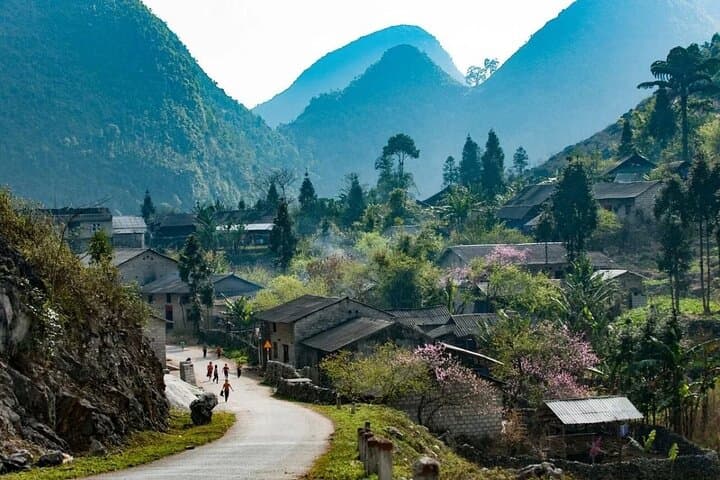
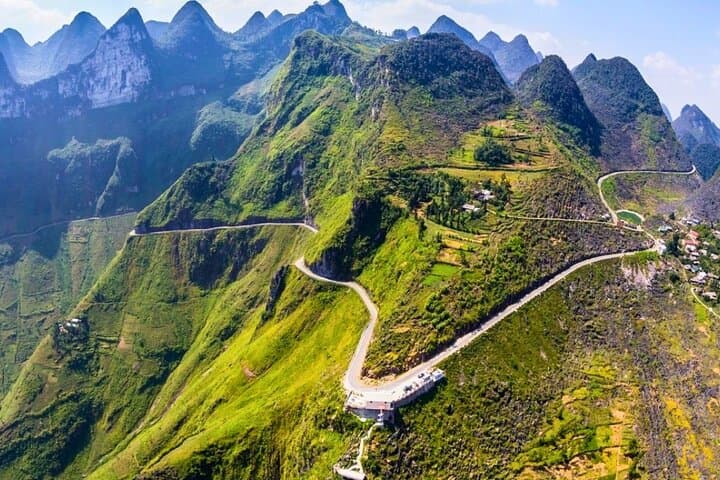
A cold bus eases out of Hanoi at night and the road swallows the city lights. By dawn the karst ridgelines of Ha Giang appear like a row of teeth; mist clings to valleys and the winding road climbs toward Quan Ba’s Heaven Gate where the air is thin and loud with birdsong.
Verified experiences and guided adventures in the surrounding area.
Operated by Red Gecko Travel · Ha Giang, Ha Giang Province
A cold bus eases out of Hanoi at night and the road swallows the city lights. By dawn the karst ridgelines of Ha Giang appear like a row of teeth; mist clings to valleys and the winding road climbs toward Quan Ba’s Heaven Gate where the air is thin and loud with birdsong.
The Dong Van Karst Plateau is a rugged limestone landscape carved over millennia—sheer cliffs, sharp towers and the Tu San gorge, whose walls reach roughly 1,500 m and plunge 700–900 m deep. People have lived here for generations: Hmong, Tay and Dao villages still tend terraces and weave brocade in Lung Tam, and the H’mong King Palace anchors local memory and craft.
Culturally the trip moves at the pace of markets and mountain roads: early breakfasts of banh cuon, free-wheeling visits to Dong Van market, and the climb to Lung Cu Flag Tower at the nation’s edge. Ma Pi Leng pass (about 21 km of commanding switchbacks) frames the Nho Que river below where small boats thread the canyon.
Practically, expect long drives (overnight bus to Ha Giang and full days on narrow mountain roads), short guided walks and a river boat section; elevations hit ~1,500 m at passes. Roads are paved but steep—motion-sick bags, layered clothing, good ankle-support shoes and cash for small purchases are essential. Nights in Dong Van are basic but comfortable; bring earplugs and a headlamp.
This is a trip for travelers who want raw landscapes, living minority cultures and dramatic vistas—prepare for early starts, close quarters on group buses and lots of photography stops.
moderate.
3 days.
Moderate fitness; able to handle several hours of travel each day, short hikes and stairs at viewpoints.
The overnight bus departs around 20:00 and runs into early morning—plan for roughly 8–10 hours depending on traffic and stops.
The short boat trip is guided and generally suitable for most travelers; those with limited mobility should check with the operator in advance.
Altitudes reach about 1,500 m—most people feel fine, but if you have cardiovascular issues consult a doctor; stay hydrated and avoid overexertion.
Guides typically speak English and Vietnamese; some local guides may have basic English—ask the operator if you require fluent-language support.
The plateau has long been a borderland of ethnic minority groups; Dong Van’s geography shaped local autonomy and played roles in 20th-century resistance and trade routes.
The karst ecosystem is fragile—stick to trails, avoid collecting plants or artifacts and minimize single-use plastic; support local guides and craft workshops to benefit communities.
Red Gecko Travel operates guided outdoor trips and adventures with an emphasis on safety, stewardship, and memorable experiences.


A cold bus eases out of Hanoi at night and the road swallows the city lights. By dawn the karst ridgelines of Ha Giang appear like a row of teeth; mist clings to valleys and the winding road climbs toward Quan Ba’s Heaven Gate where the air is thin and loud with birdsong.
A cold bus eases out of Hanoi at night and the road swallows the city lights. By dawn the karst ridgelines of Ha Giang appear like a row of teeth; mist clings to valleys and the winding road climbs toward Quan Ba’s Heaven Gate where the air is thin and loud with birdsong.
The Dong Van Karst Plateau is a rugged limestone landscape carved over millennia—sheer cliffs, sharp towers and the Tu San gorge, whose walls reach roughly 1,500 m and plunge 700–900 m deep. People have lived here for generations: Hmong, Tay and Dao villages still tend terraces and weave brocade in Lung Tam, and the H’mong King Palace anchors local memory and craft.
Culturally the trip moves at the pace of markets and mountain roads: early breakfasts of banh cuon, free-wheeling visits to Dong Van market, and the climb to Lung Cu Flag Tower at the nation’s edge. Ma Pi Leng pass (about 21 km of commanding switchbacks) frames the Nho Que river below where small boats thread the canyon.
Practically, expect long drives (overnight bus to Ha Giang and full days on narrow mountain roads), short guided walks and a river boat section; elevations hit ~1,500 m at passes. Roads are paved but steep—motion-sick bags, layered clothing, good ankle-support shoes and cash for small purchases are essential. Nights in Dong Van are basic but comfortable; bring earplugs and a headlamp.
This is a trip for travelers who want raw landscapes, living minority cultures and dramatic vistas—prepare for early starts, close quarters on group buses and lots of photography stops.