THE ADVENTURE COLLECTIVE® · Independent discovery and booking for outdoor travel

A compact two-day private loop through Ha Giang’s highlands: motorbike passes, deep canyon boat trip on the Nho Que, and cultural stops from Quan Ba to Dong Van. Ideal for travelers seeking dramatic vistas and authentic market culture without a rushed schedule.
A compact two-day private loop through Ha Giang’s highlands: motorbike passes, deep canyon boat trip on the Nho Que, and cultural stops from Quan Ba to Dong Van. Ideal for travelers seeking dramatic vistas and authentic market culture without a rushed schedule.
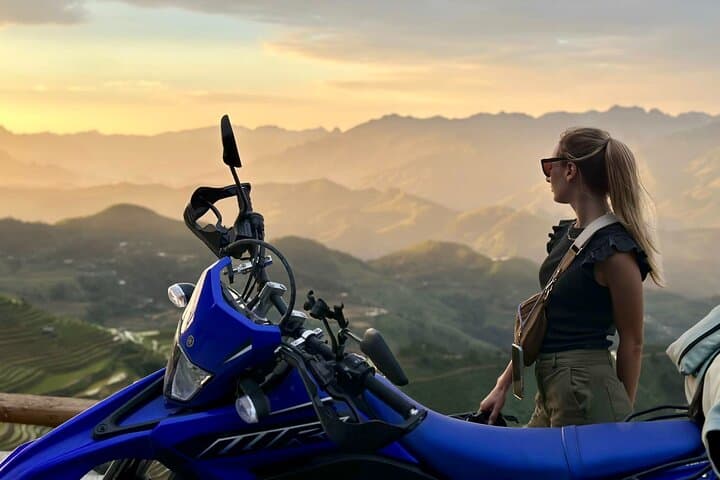
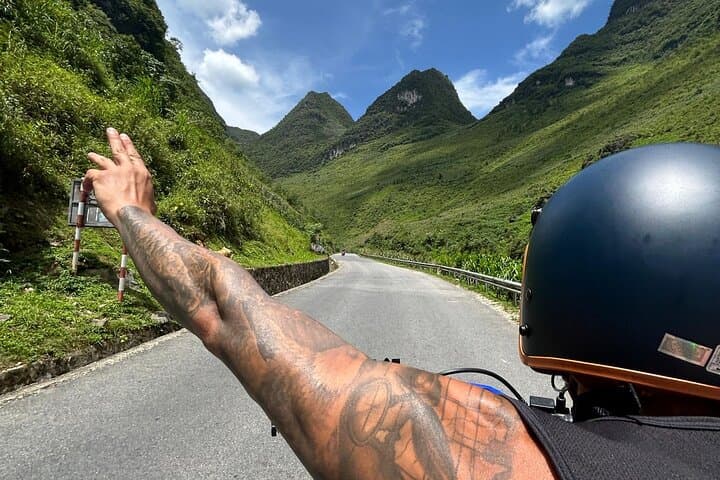
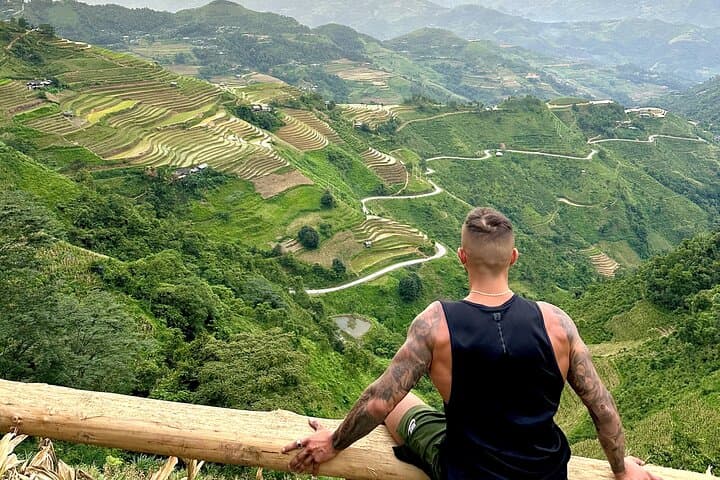
Morning light slices across limestone ridges as riders push into Ha Giang province — a landscape of bare karst towers, patchwork rice terraces and roads that cling to cliffs. This two-day, one-night private loop begins in Ha Giang city, threads through Quan Ba’s Twin Mountains, negotiates the switchbacks of Tham Ma and Ma Pi Leng passes, and drops into the turquoise throat of the Nho Que River by boat.
Verified experiences and guided adventures in the surrounding area.
Operated by Odyssey Ha Giang Hostel & Tours · Ha Giang, Ha Giang Province
Morning light slices across limestone ridges as riders push into Ha Giang province — a landscape of bare karst towers, patchwork rice terraces and roads that cling to cliffs. This two-day, one-night private loop begins in Ha Giang city, threads through Quan Ba’s Twin Mountains, negotiates the switchbacks of Tham Ma and Ma Pi Leng passes, and drops into the turquoise throat of the Nho Que River by boat.
The region’s geology is ancient: uplifted carbonate rock eroded into sharp pinnacles and deep canyons, carved further by the Nho Que’s relentless flow. Historic threads here are human-scale — Hmong, Tay and Dao communities who shaped terraces and traded at weekly markets, and the Vuong Dynasty’s Hmong King Palace, a reminder of local political history at the turn of the 20th century.
Expect rugged roads and sudden viewpoints: the Ma Pi Leng Pass rises roughly 1,200–1,400 meters with tight hairpins and dramatic drops into Tu San Canyon. Cultural moments punctuate the ride — market stalls, traditional dress and hilltop hamlets where children run between fields. The river dares you to slow down: a two‑hour boat leg reveals vertical cliffs that seem to close in on the water.
Practical guidance: plan sturdy closed-toe shoes and a reliable jacket, carry 2–3 liters of water, and allow extra time for photo stops and local markets. If self-riding, be honest about your motorbike skills; the route includes unpaved, rocky sections especially in wet months. Best times are late autumn and spring for stable weather and clearer views. With an English-speaking guide and private transport, this loop balances immersive highland culture with manageable logistics for active travelers.
moderate.
2 days.
Participants should have moderate fitness: hours of sitting plus short walks and the ability to handle a motorbike if self-riding.
No — the tour supplies semi-automatic motorbikes and easy riders; self-riding is optional but requires basic skills and confidence on mountain roads.
Moderate: most of the day is spent on a bike or in vehicle with short walks at viewpoints and cultural stops; travelers should be comfortable with long days and some uneven terrain.
Yes — two breakfasts, two lunches and one dinner are included, plus a private single room with bathroom in a homestay-style accommodation as described by the operator.
Roads range from paved switchbacks to rough, unpaved sections; the most hazardous times are during heavy rain. Follow guide instructions, wear protective gear and avoid risky maneuvers on blind corners.
Ha Giang’s highland communities developed distinct cultures and political structures; the Hmong King Palace reflects early 20th-century local power tied to trade routes and colonial era dynamics.
Increased tourism pressures and road expansion threaten fragile karst landscapes and traditional agriculture; travelers should stick to paths, take litter home and support locally run homestays.
Odyssey Ha Giang Hostel & Tours operates guided outdoor trips and adventures with an emphasis on safety, stewardship, and memorable experiences.

Morning light slices across limestone ridges as riders push into Ha Giang province — a landscape of bare karst towers, patchwork rice terraces and roads that cling to cliffs. This two-day, one-night private loop begins in Ha Giang city, threads through Quan Ba’s Twin Mountains, negotiates the switchbacks of Tham Ma and Ma Pi Leng passes, and drops into the turquoise throat of the Nho Que River by boat.
Morning light slices across limestone ridges as riders push into Ha Giang province — a landscape of bare karst towers, patchwork rice terraces and roads that cling to cliffs. This two-day, one-night private loop begins in Ha Giang city, threads through Quan Ba’s Twin Mountains, negotiates the switchbacks of Tham Ma and Ma Pi Leng passes, and drops into the turquoise throat of the Nho Que River by boat.
The region’s geology is ancient: uplifted carbonate rock eroded into sharp pinnacles and deep canyons, carved further by the Nho Que’s relentless flow. Historic threads here are human-scale — Hmong, Tay and Dao communities who shaped terraces and traded at weekly markets, and the Vuong Dynasty’s Hmong King Palace, a reminder of local political history at the turn of the 20th century.
Expect rugged roads and sudden viewpoints: the Ma Pi Leng Pass rises roughly 1,200–1,400 meters with tight hairpins and dramatic drops into Tu San Canyon. Cultural moments punctuate the ride — market stalls, traditional dress and hilltop hamlets where children run between fields. The river dares you to slow down: a two‑hour boat leg reveals vertical cliffs that seem to close in on the water.
Practical guidance: plan sturdy closed-toe shoes and a reliable jacket, carry 2–3 liters of water, and allow extra time for photo stops and local markets. If self-riding, be honest about your motorbike skills; the route includes unpaved, rocky sections especially in wet months. Best times are late autumn and spring for stable weather and clearer views. With an English-speaking guide and private transport, this loop balances immersive highland culture with manageable logistics for active travelers.