THE ADVENTURE COLLECTIVE® · Independent discovery and booking for outdoor travel

Soar above Pamukkale’s white travertines and the ruins of Hierapolis in a short gyrocopter flight that combines geology, history and sweeping aerial views. This concise guide explains what to expect, safety considerations and practical tips to get the best photos.
Soar above Pamukkale’s white travertines and the ruins of Hierapolis in a short gyrocopter flight that combines geology, history and sweeping aerial views. This concise guide explains what to expect, safety considerations and practical tips to get the best photos.
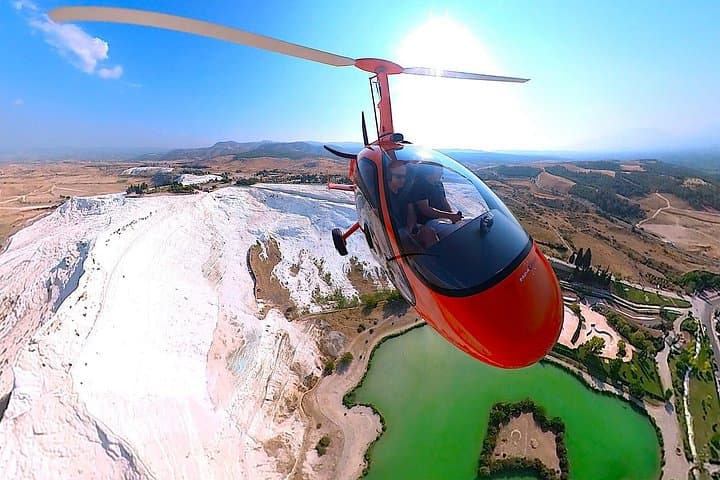
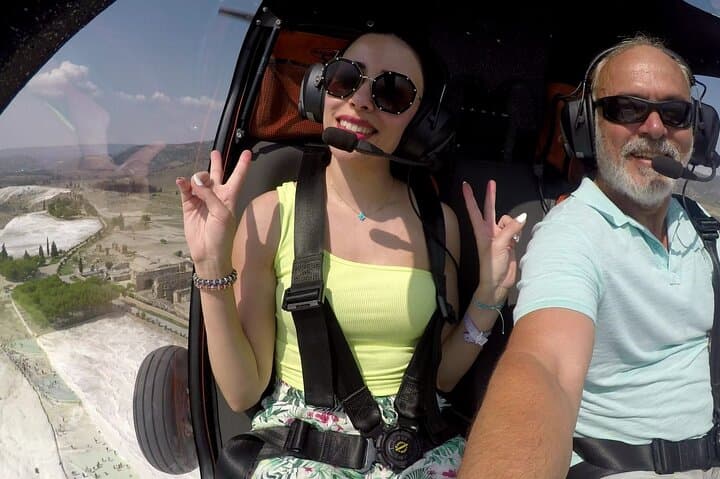
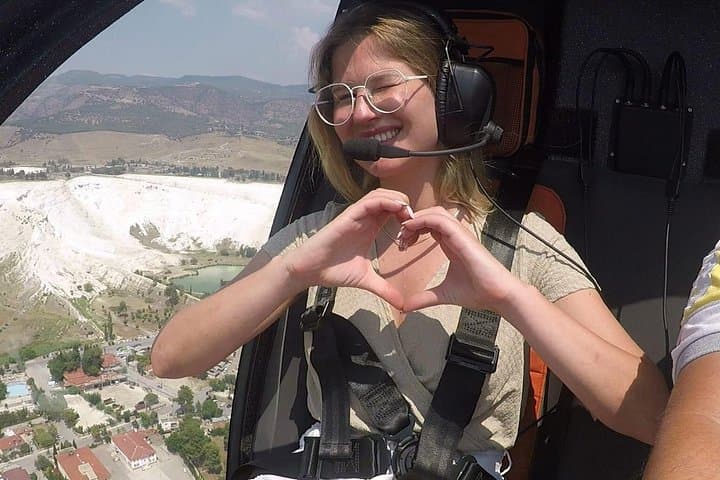
You lift off from a short, sun-warmed strip less than a kilometer from Pamukkale’s white terraces; the gyrocopter’s open cockpit lets the air push at your cheeks while the travertines unspool below like frozen waterfalls.
Verified experiences and guided adventures in the surrounding area.
Operated by Tempel Travel · Pamukkale, Denizli Province
You lift off from a short, sun-warmed strip less than a kilometer from Pamukkale’s white terraces; the gyrocopter’s open cockpit lets the air push at your cheeks while the travertines unspool below like frozen waterfalls.
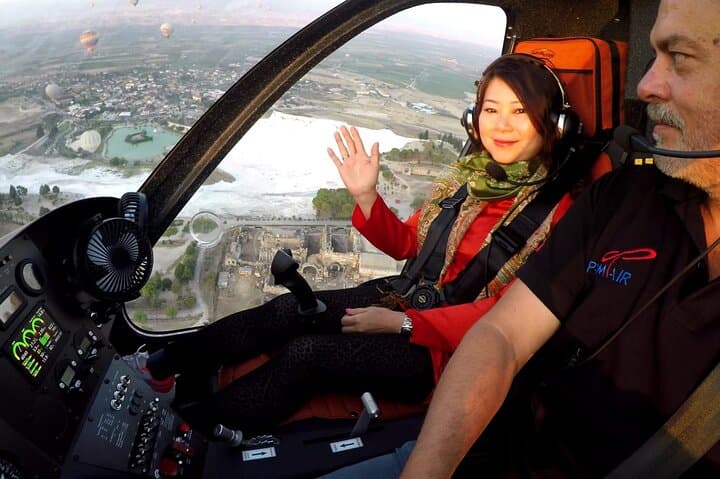
The flight arcs toward Hierapolis, skims Cleopatra’s Pool and pauses above the Roman theatre so you can take the panorama in a single, breathless view. The limestone shelves you see from above are living geology: mineral-rich thermal waters have deposited calcium carbonate for millennia, building the terraces that made the area a Roman spa town founded around the 2nd century BCE.
Culturally the ride stitches modern Denizli to ancient Hierapolis — from Ottoman-era villages to the Greco-Roman ruins that still hold columns and sarcophagi. The pilots, trained professionals, run quick briefings in a nearby café and emphasize a short takeoff and landing roll: gyrocopters can’t hover like helicopters but offer stable low-altitude sightlines a few hundred meters above ground.
Practical guide: the experience is a short, private tour — the advertised flight time is about 10 minutes, plus pickup and briefing. Bring a secure camera, wear windproof layers and closed shoes, and expect wind and thermal lift that can make the ride lively. Travelers with serious heart conditions should avoid the flight. Book morning slots for calmer air and clearer light; pilots will usually offer photo or video recording. Follow the pilot’s instructions during boarding and disembarkation, and plan logistics around the site’s busiest hours to protect the travertines and ruins for future visitors.
easy.
10 minutes.
Minimal fitness required — able to step into a low cockpit and remain seated for the short flight; not recommended for people with serious cardiovascular conditions.
The advertised airborne time is about 10 minutes; total experience including pickup, briefing and return can take around 45–75 minutes.
Modern gyrocopters are designed to be stable and are flown by professional pilots; however, they’re not suitable for people with serious heart conditions and follow strict safety briefings.
Yes — typical routes pass over the travertines, Cleopatra’s Pool and the ancient theatre so you get overhead perspectives not visible from the ground.
Many operators offer photo or video services during the flight; ask before you book if you want recorded footage and whether it’s included or an add‑on.
Hierapolis grew as a Greco‑Roman thermal city; successive civilizations used the hot springs, leaving temples, baths and a large necropolis beside the travertines.
Pamukkale is a protected UNESCO area — follow marked routes, avoid stepping on the travertines and support local guidelines to reduce erosion and preserve water flow.
Tempel Travel operates guided outdoor trips and adventures with an emphasis on safety, stewardship, and memorable experiences.
You lift off from a short, sun-warmed strip less than a kilometer from Pamukkale’s white terraces; the gyrocopter’s open cockpit lets the air push at your cheeks while the travertines unspool below like frozen waterfalls.
You lift off from a short, sun-warmed strip less than a kilometer from Pamukkale’s white terraces; the gyrocopter’s open cockpit lets the air push at your cheeks while the travertines unspool below like frozen waterfalls.
The flight arcs toward Hierapolis, skims Cleopatra’s Pool and pauses above the Roman theatre so you can take the panorama in a single, breathless view. The limestone shelves you see from above are living geology: mineral-rich thermal waters have deposited calcium carbonate for millennia, building the terraces that made the area a Roman spa town founded around the 2nd century BCE.
Culturally the ride stitches modern Denizli to ancient Hierapolis — from Ottoman-era villages to the Greco-Roman ruins that still hold columns and sarcophagi. The pilots, trained professionals, run quick briefings in a nearby café and emphasize a short takeoff and landing roll: gyrocopters can’t hover like helicopters but offer stable low-altitude sightlines a few hundred meters above ground.
Practical guide: the experience is a short, private tour — the advertised flight time is about 10 minutes, plus pickup and briefing. Bring a secure camera, wear windproof layers and closed shoes, and expect wind and thermal lift that can make the ride lively. Travelers with serious heart conditions should avoid the flight. Book morning slots for calmer air and clearer light; pilots will usually offer photo or video recording. Follow the pilot’s instructions during boarding and disembarkation, and plan logistics around the site’s busiest hours to protect the travertines and ruins for future visitors.