THE ADVENTURE COLLECTIVE® · Independent discovery and booking for outdoor travel

Spend a full day tracing Silla’s legacy through Bulguksa, Seokguram and Gyeongju’s historic sites. This private tour pairs short walks on stone paths with expert local logistics and on‑the‑ground cultural insights.
Spend a full day tracing Silla’s legacy through Bulguksa, Seokguram and Gyeongju’s historic sites. This private tour pairs short walks on stone paths with expert local logistics and on‑the‑ground cultural insights.
Morning light spreads across low rice fields as your driver eases the air‑conditioned van onto the road toward Tohamsan. Stones and pines lean into the wind; temple roofs catch the sun. That first view — the carved pagodas and tile ridges at Bulguksa — sets the tone: this is a day of human craft shaped against granite slopes and old waterways.
Verified experiences and guided adventures in the surrounding area.
Operated by Jeju K Tour(Jeju K Travel Agency Co., Ltd.) · Gyeongju, North Gyeongsang
Morning light spreads across low rice fields as your driver eases the air‑conditioned van onto the road toward Tohamsan. Stones and pines lean into the wind; temple roofs catch the sun. That first view — the carved pagodas and tile ridges at Bulguksa — sets the tone: this is a day of human craft shaped against granite slopes and old waterways.
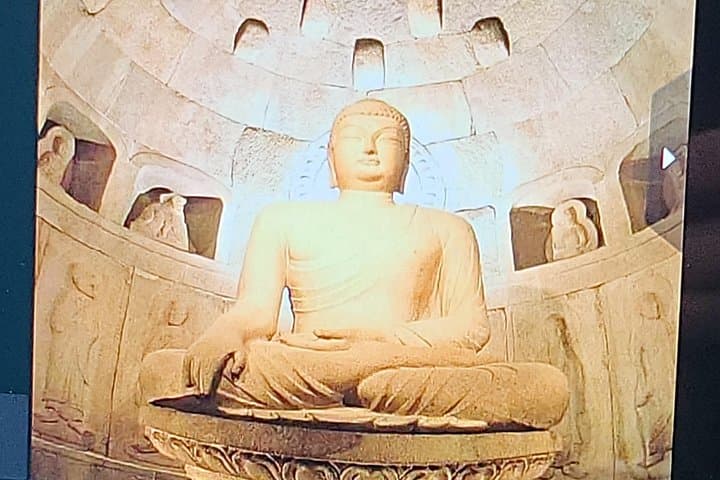
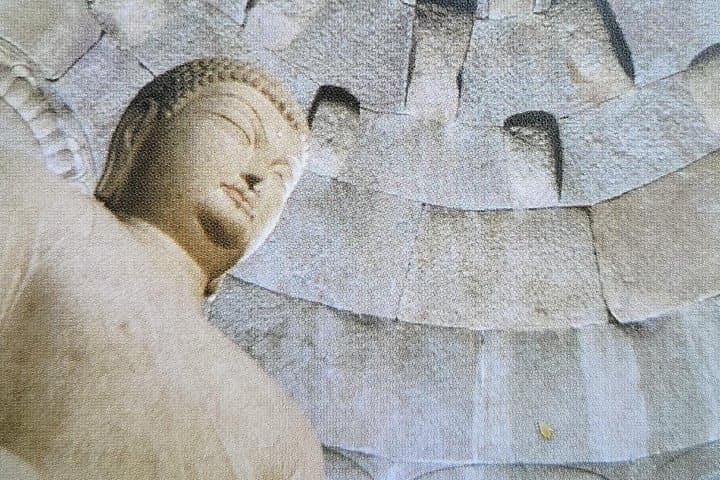
Gyeongju was the capital of the Silla kingdom (57 BCE–935 CE) and the landscape still carries administrative mounds, observatories and landscaped ponds from a thousand years of court life. Seokguram Grotto, hewn into a granite outcrop, expresses sophisticated stone engineering and Buddhist iconography, while Cheomseongdae’s compact astronomical tower points to early scientific inquiry. Walk the Daereungwon tumuli and notice how burial mounds mirror political geography; stroll Anapji (Donggung and Wolji) and watch reflective water hide and reveal the pavilion’s profile.
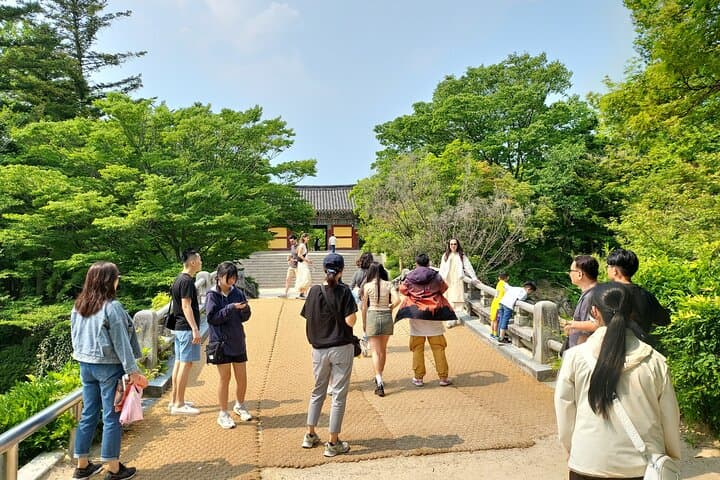
Practical guidance: this private tour runs about 7–8 hours with multiple short walks, stone steps and paved paths — bring sturdy shoes and a light layer. Admissions are typically included with the booking; your driver speaks basic English and will recommend nearby lunch spots. Start early to avoid the midday crowds and allow time for photos at Bulguksa’s stone bridges and for the quieter Seokguram approach. Respect temple etiquette (quiet voice, modest dress) and carry water — facilities exist at major stops but can be spaced out.
This itinerary is ideal for travelers who want concentrated cultural immersion in one day: it’s a measured walk through history, where stone keeps its own long memory and the countryside still seems to be listening.
moderate.
7–8 hours.
Suitable for travelers with moderate fitness—able to walk several short hikes, negotiate stairs, and be on their feet for most of the day.
Most entrance fees for the World Heritage sites on the standard itinerary are included; confirm specific inclusions at booking.
Pick‑up and drop‑off are provided within Gyeongju city limits; give your hotel or meeting point when booking.
Many major sites offer accessible paths, but some areas (stone steps at Bulguksa or the Seokguram approach) have limited access—notify the operator to plan routes.
Lunch is not fixed; the driver will discuss options and recommend nearby restaurants, typically within short driving distance of the main sites.
Gyeongju was the capital of Silla for a millennium; its temples, observatories and tumuli preserve urban planning and religious practice from that era.
These World Heritage sites are managed to protect stonework and landscapes—stay on marked paths, avoid touching sculptures, and carry out any trash.
Jeju K Tour(Jeju K Travel Agency Co., Ltd.) operates guided outdoor trips and adventures with an emphasis on safety, stewardship, and memorable experiences.
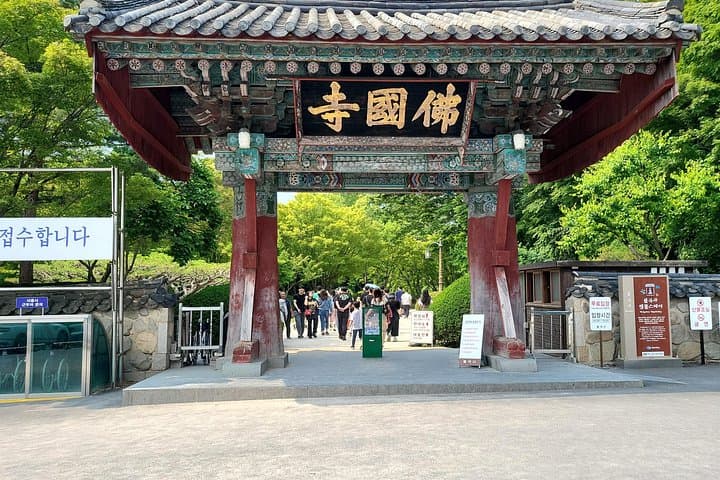
Morning light spreads across low rice fields as your driver eases the air‑conditioned van onto the road toward Tohamsan. Stones and pines lean into the wind; temple roofs catch the sun. That first view — the carved pagodas and tile ridges at Bulguksa — sets the tone: this is a day of human craft shaped against granite slopes and old waterways.
Morning light spreads across low rice fields as your driver eases the air‑conditioned van onto the road toward Tohamsan. Stones and pines lean into the wind; temple roofs catch the sun. That first view — the carved pagodas and tile ridges at Bulguksa — sets the tone: this is a day of human craft shaped against granite slopes and old waterways.
Gyeongju was the capital of the Silla kingdom (57 BCE–935 CE) and the landscape still carries administrative mounds, observatories and landscaped ponds from a thousand years of court life. Seokguram Grotto, hewn into a granite outcrop, expresses sophisticated stone engineering and Buddhist iconography, while Cheomseongdae’s compact astronomical tower points to early scientific inquiry. Walk the Daereungwon tumuli and notice how burial mounds mirror political geography; stroll Anapji (Donggung and Wolji) and watch reflective water hide and reveal the pavilion’s profile.
Practical guidance: this private tour runs about 7–8 hours with multiple short walks, stone steps and paved paths — bring sturdy shoes and a light layer. Admissions are typically included with the booking; your driver speaks basic English and will recommend nearby lunch spots. Start early to avoid the midday crowds and allow time for photos at Bulguksa’s stone bridges and for the quieter Seokguram approach. Respect temple etiquette (quiet voice, modest dress) and carry water — facilities exist at major stops but can be spaced out.
This itinerary is ideal for travelers who want concentrated cultural immersion in one day: it’s a measured walk through history, where stone keeps its own long memory and the countryside still seems to be listening.