THE ADVENTURE COLLECTIVE® · Independent discovery and booking for outdoor travel

Explore a compact sweep of Silla-era Gyeongju in two days: Bomun Lake, Seokguram grotto, Bulguksa temple, tomb mounds and observatory. This private tour packs UNESCO sites, local context and manageable walking into a practical overnight itinerary.
Explore a compact sweep of Silla-era Gyeongju in two days: Bomun Lake, Seokguram grotto, Bulguksa temple, tomb mounds and observatory. This private tour packs UNESCO sites, local context and manageable walking into a practical overnight itinerary.
Morning light lifts off Bomun Lake and the resort roads feel slow — a private vehicle eases you toward Tohamsan where a short rise delivers Seokguram’s quiet stone grotto and the layered roofs of Bulguksa. Trees push wind across terraces; the mountain seems to watch visitors like a careful host.
Verified experiences and guided adventures in the surrounding area.
Operated by CNC Tour Korea · Gyeongju, Gyeongsangbuk-do
Morning light lifts off Bomun Lake and the resort roads feel slow — a private vehicle eases you toward Tohamsan where a short rise delivers Seokguram’s quiet stone grotto and the layered roofs of Bulguksa. Trees push wind across terraces; the mountain seems to watch visitors like a careful host.
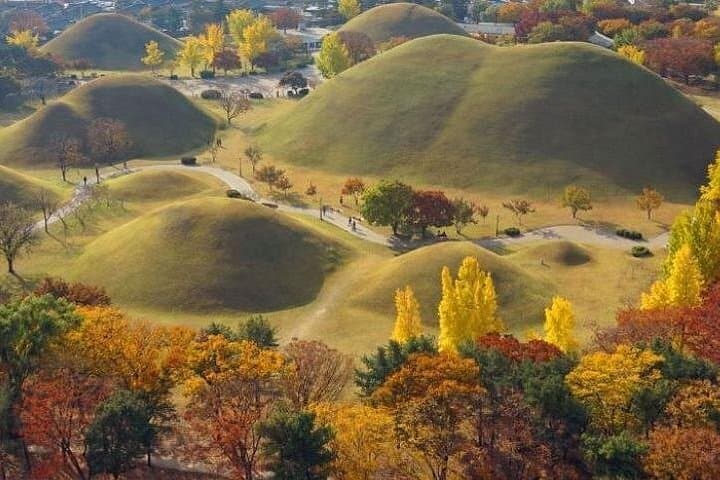
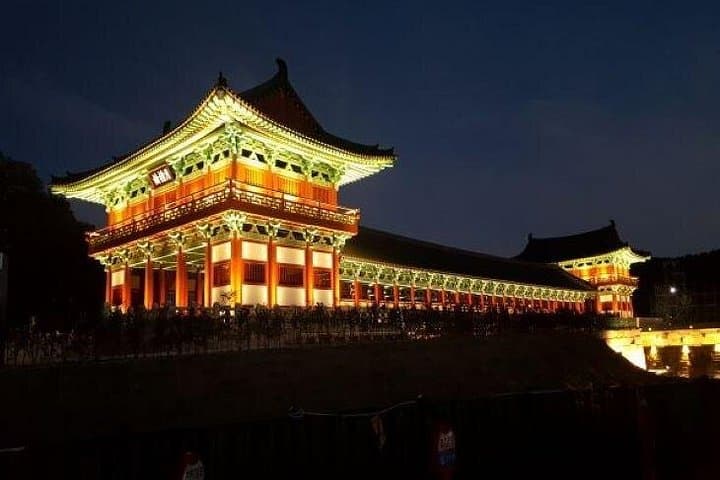
This two-day route follows the Silla capital’s footprint: royal tumuli at Daereungwon, Cheomseongdae’s compact astronomical tower, palace remains and the refined gardens of a royal villa. Geologically, Gyeongju sits where low granite hills meet coastal plains; trails are mostly paved or packed earth with stair sections up temple approaches. Culture here is visible in stone and ritual — Buddhist grottoes and pagodas that speak to a unified Silla that ruled much of the peninsula for a millennium. UNESCO designation highlights both artistic detail and archaeological value.
Expect moderate walking: short uphill approaches (200–400 m elevation change to temple sites), flat museum and tumuli paths, and frequent steps. The tour includes one hotel night at a Bomun Lake-area 4-star, all admissions, lunches and vehicle transfers; guides handle timing and parking.
Practicalities matter: comfortable, grippy shoes for temple stairs, a light rain shell in spring/fall, sun protection in summer, and modest clothing for temple entry. Allow time for photography at sunset over the lake and for quieter moments inside Bulguksa’s courtyards. The route rewards calm observation — history revealed in stone, slope and skyline rather than spectacle.
moderate.
2 days.
Moderate fitness; able to walk several short uphill sections and climb temple steps repeatedly
Expect moderate walking: short uphill approaches to Seokguram and Bulguksa (stairs and paved paths) and flat 1–2 km walks through tumuli parks.
Yes — the tour includes all admissions, vehicle transfers, lunches and one night’s accommodation at a Bomun Lake-area hotel.
The tour is private and can accommodate families, but stairs and some uphill walks make it less suitable for guests with serious mobility, spinal or cardiovascular issues.
Most major admissions are included, but carry local currency for small purchases, optional snacks, souvenirs or tips.
Gyeongju was the capital of the Silla kingdom (c. 57 BCE–935 CE) and developed elaborate Buddhist art and state institutions; many surviving structures reflect this centralized court culture.
Many sites are fragile archaeological zones — stick to marked paths, avoid touching reliefs and follow temple rules to protect stonework and painted surfaces.
CNC Tour Korea operates guided outdoor trips and adventures with an emphasis on safety, stewardship, and memorable experiences.
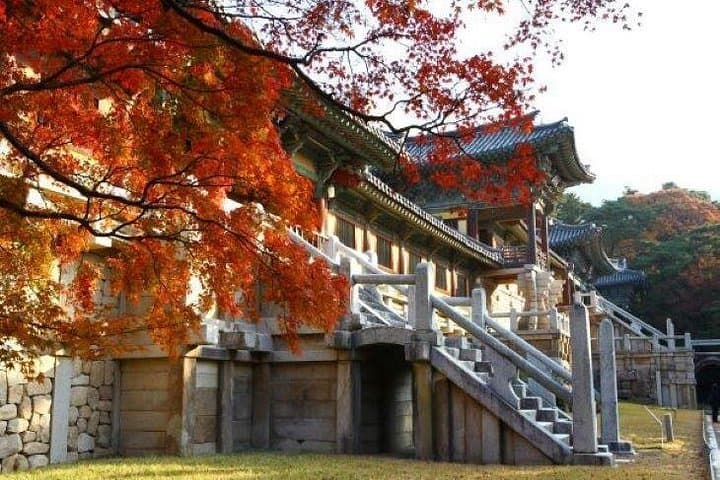
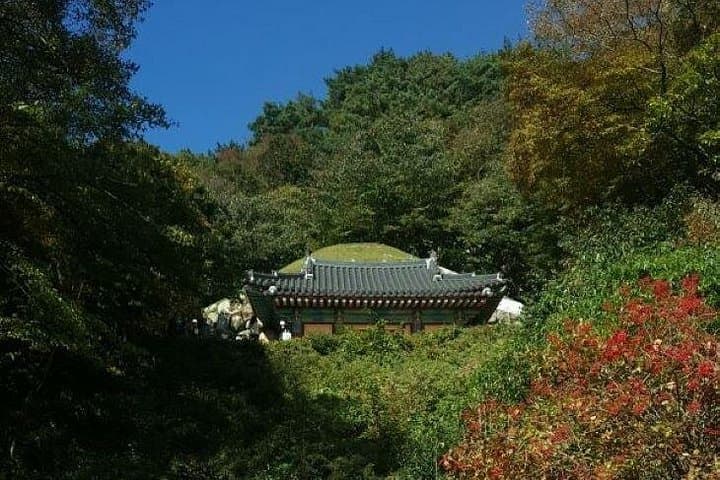
Morning light lifts off Bomun Lake and the resort roads feel slow — a private vehicle eases you toward Tohamsan where a short rise delivers Seokguram’s quiet stone grotto and the layered roofs of Bulguksa. Trees push wind across terraces; the mountain seems to watch visitors like a careful host.
Morning light lifts off Bomun Lake and the resort roads feel slow — a private vehicle eases you toward Tohamsan where a short rise delivers Seokguram’s quiet stone grotto and the layered roofs of Bulguksa. Trees push wind across terraces; the mountain seems to watch visitors like a careful host.
This two-day route follows the Silla capital’s footprint: royal tumuli at Daereungwon, Cheomseongdae’s compact astronomical tower, palace remains and the refined gardens of a royal villa. Geologically, Gyeongju sits where low granite hills meet coastal plains; trails are mostly paved or packed earth with stair sections up temple approaches. Culture here is visible in stone and ritual — Buddhist grottoes and pagodas that speak to a unified Silla that ruled much of the peninsula for a millennium. UNESCO designation highlights both artistic detail and archaeological value.
Expect moderate walking: short uphill approaches (200–400 m elevation change to temple sites), flat museum and tumuli paths, and frequent steps. The tour includes one hotel night at a Bomun Lake-area 4-star, all admissions, lunches and vehicle transfers; guides handle timing and parking.
Practicalities matter: comfortable, grippy shoes for temple stairs, a light rain shell in spring/fall, sun protection in summer, and modest clothing for temple entry. Allow time for photography at sunset over the lake and for quieter moments inside Bulguksa’s courtyards. The route rewards calm observation — history revealed in stone, slope and skyline rather than spectacle.