THE ADVENTURE COLLECTIVE® · Independent discovery and booking for outdoor travel

A private, 8-hour guided circuit of Gyeongju’s top Silla-era sites—Bulguksa, Seokguram, Daereungwon and more—delivered with hotel pickup, a licensed guide and a spacious Hyundai Palisade. Perfect for travelers who want focused history without the museum rush.
A private, 8-hour guided circuit of Gyeongju’s top Silla-era sites—Bulguksa, Seokguram, Daereungwon and more—delivered with hotel pickup, a licensed guide and a spacious Hyundai Palisade. Perfect for travelers who want focused history without the museum rush.
You step out of a roomy Hyundai Palisade onto stone steps that have felt thousands of feet before yours. Morning light slants across the tiled roofs of Bulguksa; the guide’s voice sketches the layout of temples while wind in the pines seems to test the patience of the ancient eaves.
Verified experiences and guided adventures in the surrounding area.
Operated by Hello Ktour · Gyeongju, North Gyeongsang
You step out of a roomy Hyundai Palisade onto stone steps that have felt thousands of feet before yours. Morning light slants across the tiled roofs of Bulguksa; the guide’s voice sketches the layout of temples while wind in the pines seems to test the patience of the ancient eaves.
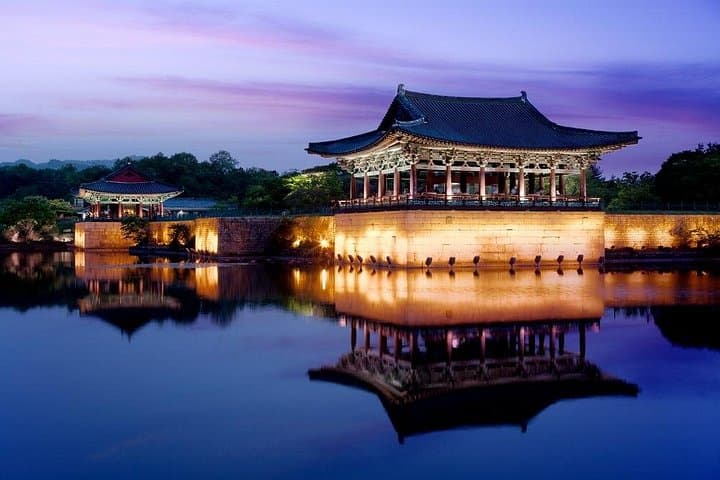
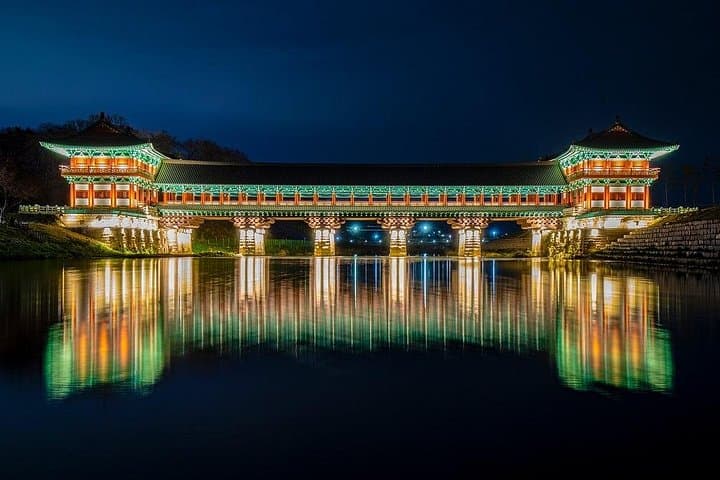
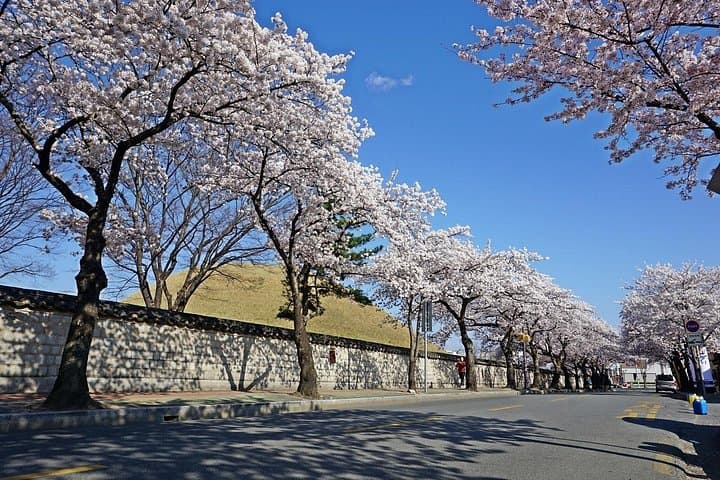
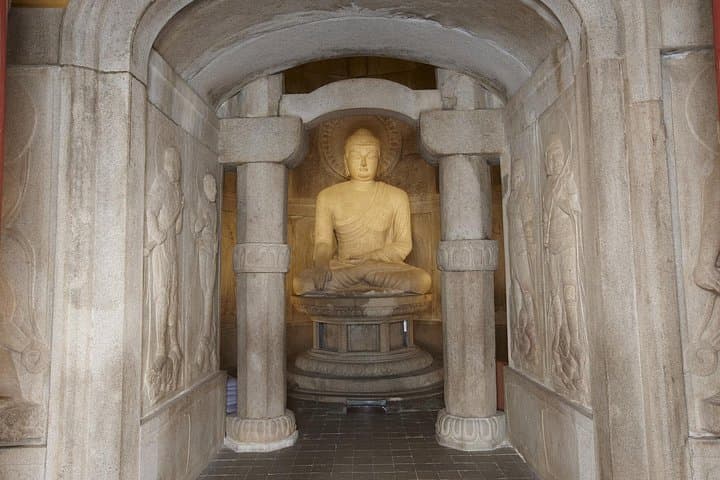
Gyeongju was the capital of Silla for nearly a thousand years, and the day threads through eras: Bulguksa and Seokguram (both UNESCO sites) show the refined craftsmanship of 8th-century Buddhist art, while Daereungwon’s tumuli hold gold crowns and grave goods that reveal a warrior-elite society. Cheomseongdae, Asia’s oldest surviving observatory, still points skyward after centuries of seasonal calculation; Banwolseong’s crescent earthworks mark where kings once walked. The newer lanes of Hwangridan-gil contrast with the silence of the royal mounds, offering cafes and craft shops for modern pause.
Practically, expect an 8-hour private loop with hotel pickup and drop-off, fuel and parking covered, and stops timed to let you linger at key sites. Wear broken-in shoes—temple approaches are stepped and some tomb areas have packed earth. Bring water and a light layer for coastal winds and hilltop breezes near Seokguram. Photography is permitted at many sites but follow signage at sanctuaries. The tour is customizable: add slower pacing for museum visits or more walking through Gyochon’s traditional lanes. For travelers who want history anchored in place rather than in guidebooks, this private day makes Silla’s past tangible and navigable.
easy.
8 hours.
Suitable for most fitness levels; involves moderate walking and stair climbs at historic sites
This private tour description lists admission as not applicable; confirm with the operator whether museum or temple entrance fees are covered or payable on-site.
Yes—tour notes say infants must sit on laps; the pace is adjustable for families but some sites have stairs and limited stroller access.
Yes—the tour is explicitly customizable; discuss preferred sites or a slower pace with the guide when booking.
Many historic sites include steps and uneven ground; while the vehicle provides transport, access within some temples and tomb parks may be limited—ask the operator about specific site accessibility in advance.
Gyeongju was the political and cultural heart of Silla (57 BC–935 AD); many surviving structures and tumuli reflect centralized royal power and sophisticated Buddhist patronage from the 7th–9th centuries.
Visitors should stick to marked paths to protect burial mounds and archaeological layers; many sites limit access to reduce wear on ancient stone and wooden structures.
Hello Ktour operates guided outdoor trips and adventures with an emphasis on safety, stewardship, and memorable experiences.
You step out of a roomy Hyundai Palisade onto stone steps that have felt thousands of feet before yours. Morning light slants across the tiled roofs of Bulguksa; the guide’s voice sketches the layout of temples while wind in the pines seems to test the patience of the ancient eaves.
You step out of a roomy Hyundai Palisade onto stone steps that have felt thousands of feet before yours. Morning light slants across the tiled roofs of Bulguksa; the guide’s voice sketches the layout of temples while wind in the pines seems to test the patience of the ancient eaves.
Gyeongju was the capital of Silla for nearly a thousand years, and the day threads through eras: Bulguksa and Seokguram (both UNESCO sites) show the refined craftsmanship of 8th-century Buddhist art, while Daereungwon’s tumuli hold gold crowns and grave goods that reveal a warrior-elite society. Cheomseongdae, Asia’s oldest surviving observatory, still points skyward after centuries of seasonal calculation; Banwolseong’s crescent earthworks mark where kings once walked. The newer lanes of Hwangridan-gil contrast with the silence of the royal mounds, offering cafes and craft shops for modern pause.
Practically, expect an 8-hour private loop with hotel pickup and drop-off, fuel and parking covered, and stops timed to let you linger at key sites. Wear broken-in shoes—temple approaches are stepped and some tomb areas have packed earth. Bring water and a light layer for coastal winds and hilltop breezes near Seokguram. Photography is permitted at many sites but follow signage at sanctuaries. The tour is customizable: add slower pacing for museum visits or more walking through Gyochon’s traditional lanes. For travelers who want history anchored in place rather than in guidebooks, this private day makes Silla’s past tangible and navigable.