THE ADVENTURE COLLECTIVE® · Independent discovery and booking for outdoor travel

Compress two millennia of Korean history into 48 hours with a private transfer from Seoul to Gyeongju. Visit tomb mounds, Cheomseongdae observatory, Bulguksa and Seokguram with a local driving guide and comfortable logistics.
Compress two millennia of Korean history into 48 hours with a private transfer from Seoul to Gyeongju. Visit tomb mounds, Cheomseongdae observatory, Bulguksa and Seokguram with a local driving guide and comfortable logistics.
A low dawn slips over rice fields as the van eases out of Seoul and the roadside changes from glass towers to low hills. By mid-morning you stand before bulbous tumuli—earth mounds that once kept Silla kings—and the city opens like a living museum: stone observatories, reflecting ponds, and temple terraces rising from oak-clad slopes.
Verified experiences and guided adventures in the surrounding area.
Operated by Outdoors Korea · Gyeongju, North Gyeongsang
A low dawn slips over rice fields as the van eases out of Seoul and the roadside changes from glass towers to low hills. By mid-morning you stand before bulbous tumuli—earth mounds that once kept Silla kings—and the city opens like a living museum: stone observatories, reflecting ponds, and temple terraces rising from oak-clad slopes.
Gyeongju was the capital of the Silla kingdom (57 BC–AD 935), a center of Buddhist learning, metallurgy and astronomy. Cheomseongdae, Asia’s oldest surviving observatory, records how people here read the sky; Bulguksa and the Seokguram grotto show Silla’s mastery of stone and ritual. Geologically, the area sits on low granite hills and river plains that made it ideal for large burial mounds and durable stone architecture.
Culturally, expect ritual spaces still used by worshippers, local artisans in the Folk Craft Village, and food shaped by regional rice, soy and sea salt. The itinerary balances museum context with on-site presence: Gyeongju National Museum, Anapji Pond at dusk, Daereungwon tombs, Cheomseongdae, then a mountain approach to Seokguram and the terraces of Bulguksa.
Practically: wear supportive walking shoes for uneven stone and temple steps; plan sunrise for Seokguram views and evening for Anapji reflections. Your private driving guide provides on-demand history and handles transfers and hotel logistics. Bring a light layer for mountain breeze, a modest dress code for temples, and small bills for artisans. The tour compresses UNESCO sites into a compact, walkable experience—ideal if you want cultural depth without DIY logistics.
moderate.
2 days.
Suitable for most travelers who can walk 2–4 miles across uneven, stepped terrain and climb temple stairs.
Direct driving time is about 4.5–5 hours each way depending on traffic; the tour schedules driving between site visits to maximize time on-site.
Admissions to listed attractions like Gyeongju National Museum, Anapji, Seokguram and Bulguksa are included per the itinerary, but double-check specific site policies for temporary closures.
You’ll walk on mostly paved and stone paths with some stairs; the Seokguram approach involves a moderate uphill path, but the tour notes the pace is suitable for most fitness levels.
Yes—the private tour allows adjustments on request; communicate preferences for pace, photography stops, or special interests with your guide in advance.
Gyeongju served as Silla’s political and cultural capital for nearly a millennium, leaving a dense concentration of royal tombs, temples and observatories.
UNESCO protection and local conservation efforts focus on managing visitor impact—stay on paths, avoid touching stonework, and support local craftsmen rather than buying mass-produced souvenirs.
Outdoors Korea operates guided outdoor trips and adventures with an emphasis on safety, stewardship, and memorable experiences.
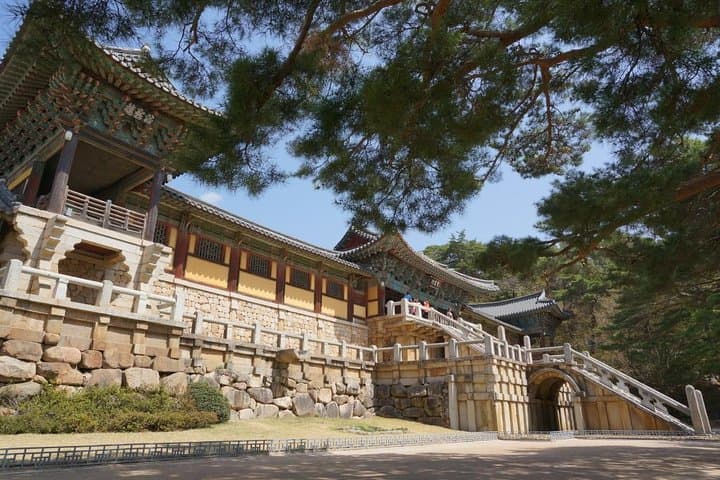
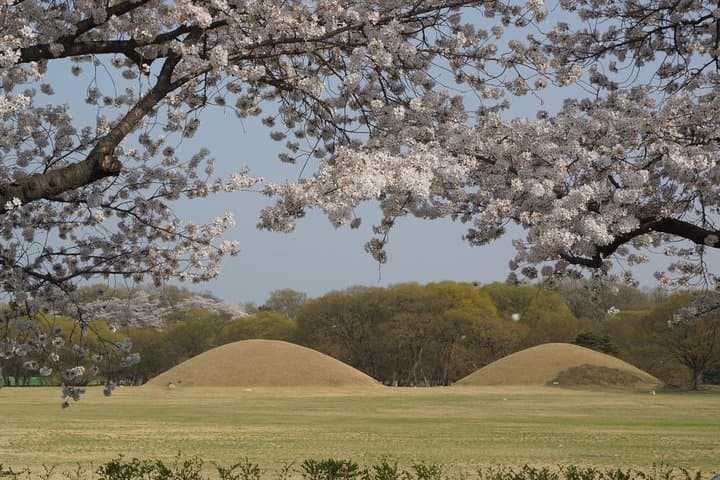
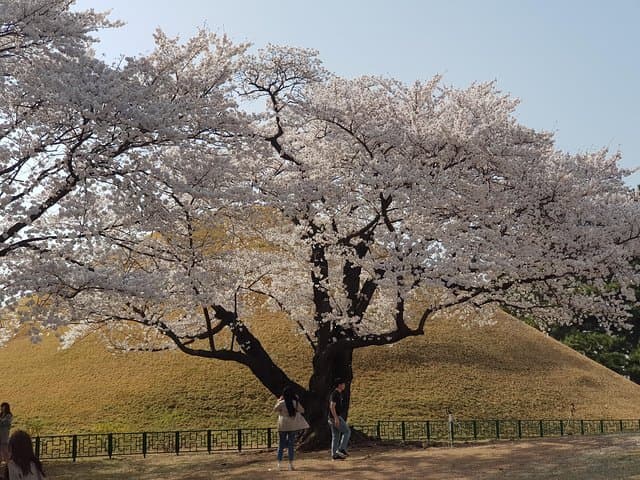
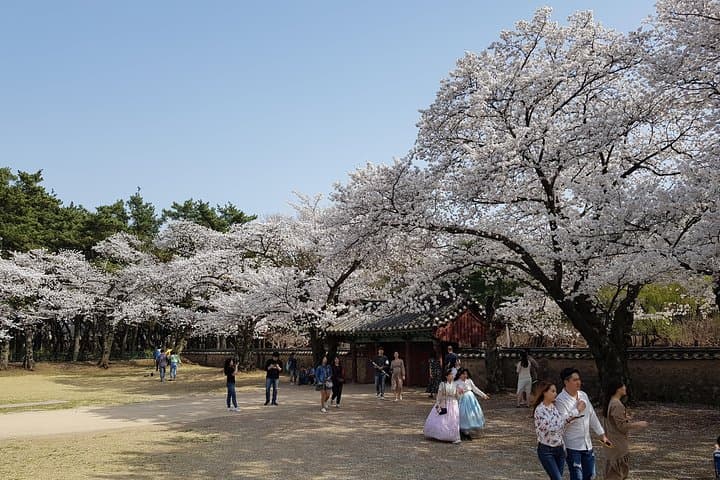
A low dawn slips over rice fields as the van eases out of Seoul and the roadside changes from glass towers to low hills. By mid-morning you stand before bulbous tumuli—earth mounds that once kept Silla kings—and the city opens like a living museum: stone observatories, reflecting ponds, and temple terraces rising from oak-clad slopes.
A low dawn slips over rice fields as the van eases out of Seoul and the roadside changes from glass towers to low hills. By mid-morning you stand before bulbous tumuli—earth mounds that once kept Silla kings—and the city opens like a living museum: stone observatories, reflecting ponds, and temple terraces rising from oak-clad slopes.
Gyeongju was the capital of the Silla kingdom (57 BC–AD 935), a center of Buddhist learning, metallurgy and astronomy. Cheomseongdae, Asia’s oldest surviving observatory, records how people here read the sky; Bulguksa and the Seokguram grotto show Silla’s mastery of stone and ritual. Geologically, the area sits on low granite hills and river plains that made it ideal for large burial mounds and durable stone architecture.
Culturally, expect ritual spaces still used by worshippers, local artisans in the Folk Craft Village, and food shaped by regional rice, soy and sea salt. The itinerary balances museum context with on-site presence: Gyeongju National Museum, Anapji Pond at dusk, Daereungwon tombs, Cheomseongdae, then a mountain approach to Seokguram and the terraces of Bulguksa.
Practically: wear supportive walking shoes for uneven stone and temple steps; plan sunrise for Seokguram views and evening for Anapji reflections. Your private driving guide provides on-demand history and handles transfers and hotel logistics. Bring a light layer for mountain breeze, a modest dress code for temples, and small bills for artisans. The tour compresses UNESCO sites into a compact, walkable experience—ideal if you want cultural depth without DIY logistics.