THE ADVENTURE COLLECTIVE® · Independent discovery and booking for outdoor travel

Follow a storytelling mission through Bulguksa’s temple grounds and nearby cultural sites with a pick-up kit from Gyeongju Kolon Hotel. This self-paced, two-hour experience blends historical facts with clues for independent travelers.
Follow a storytelling mission through Bulguksa’s temple grounds and nearby cultural sites with a pick-up kit from Gyeongju Kolon Hotel. This self-paced, two-hour experience blends historical facts with clues for independent travelers.
You pick up a slim mission kit at the front desk of Gyeongju Kolon Hotel and step out toward stone lanterns and pine-scented air. The kit—The Disappeared Clock—hands you a fictional thread that runs through real places: the TAT Space, Seated Buddha Garden, Figure Museum and the terraces around Bulguksa Temple. Clues ask you to read inscriptions, watch masonry, and move deliberately through courtyards that have held worshippers and artisans for more than a millennium.
Verified experiences and guided adventures in the surrounding area.
Operated by saisiot · Gyeongju, North Gyeongsang
You pick up a slim mission kit at the front desk of Gyeongju Kolon Hotel and step out toward stone lanterns and pine-scented air. The kit—The Disappeared Clock—hands you a fictional thread that runs through real places: the TAT Space, Seated Buddha Garden, Figure Museum and the terraces around Bulguksa Temple. Clues ask you to read inscriptions, watch masonry, and move deliberately through courtyards that have held worshippers and artisans for more than a millennium.
Gyeongju was the capital of Silla (57 BCE–935 CE), and its buildings, burial mounds and palace remains are a living archive. Bulguksa itself dates to the 8th century and is a UNESCO icon; the stonework and wooden brackets reveal technical skill and cultural exchange with Tang China. The local geology—granite outcrops and terraced slopes—gives the temple its layered, stepped approach and frames views across rice paddies and the distant ridgeline.
This is part history lesson, part scavenger hunt: you’ll be decoding markers, matching motifs, and using the provided map to stitch narrative beats to physical places. Expect two hours of steady walking, stair climbing, and close-looking rather than strenuous hiking.
Practical guidance: pick up the kit early to avoid mid-day crowds, wear grippy shoes for mossy stone and temple steps, and carry water; many historic buildings are quiet but active, so speak softly and follow posted rules. The mission is self-paced and refundable up to 24 hours—perfect for independent explorers who want a framed way to read Gyeongju’s past while moving through its present.
moderate.
2 hours.
Able to walk for two hours with stair climbs and short uneven sections; moderate cardiovascular fitness recommended
No—this is a self-paced private mission kit; pick it up at the hotel and complete it within the validity period.
The activity notes wheelchair-accessible pickup and some nearby transport, but historic temple areas include steps and uneven surfaces that may limit full access.
The kit includes admission to the TAT Exhibition Hall; check local signage for any additional paid exhibits along the route.
Full refund is available if you cancel at least 24 hours before the scheduled start time.
Gyeongju was the political and cultural heart of the Silla Kingdom; Bulguksa dates largely to the 8th century and illustrates advanced stone-and-wood craftsmanship.
Visitors are asked to stay on marked paths, avoid touching carvings, and carry out waste; small-group, low-impact exploration helps preserve fragile temple grounds.
saisiot operates guided outdoor trips and adventures with an emphasis on safety, stewardship, and memorable experiences.
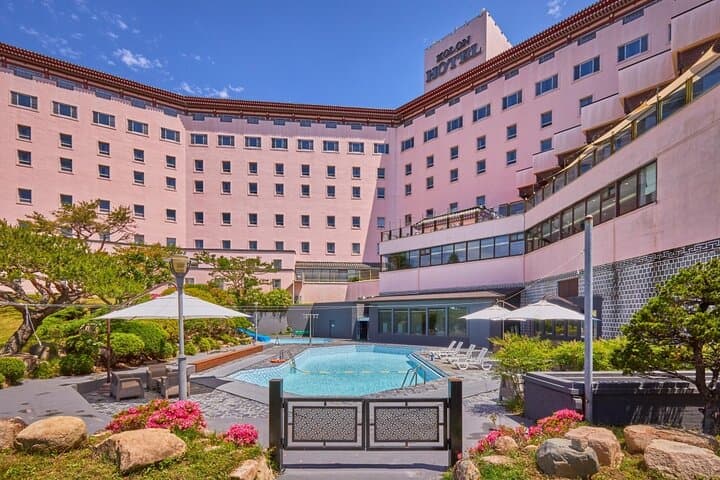
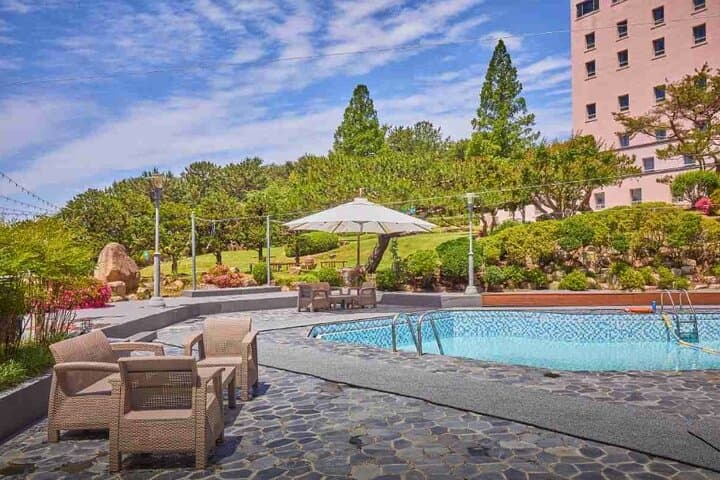
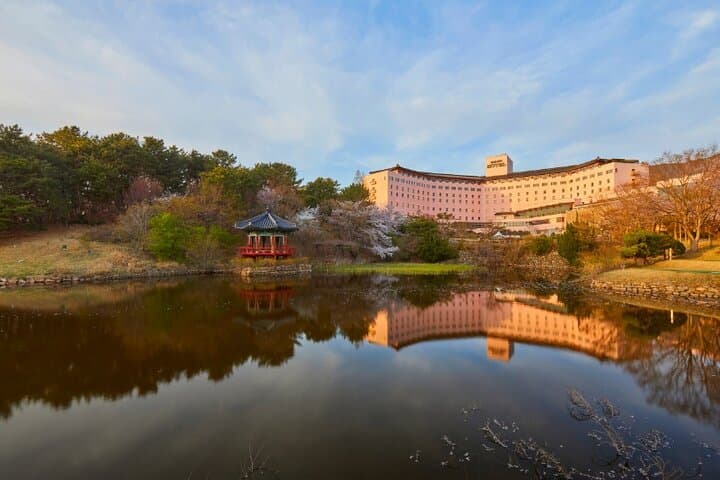
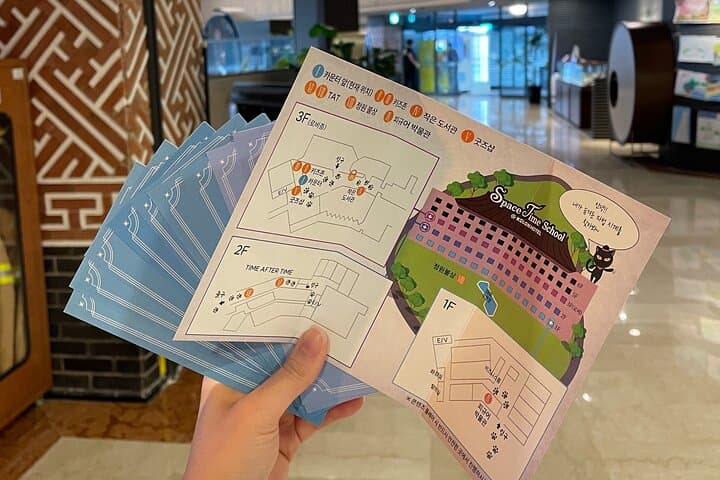
You pick up a slim mission kit at the front desk of Gyeongju Kolon Hotel and step out toward stone lanterns and pine-scented air. The kit—The Disappeared Clock—hands you a fictional thread that runs through real places: the TAT Space, Seated Buddha Garden, Figure Museum and the terraces around Bulguksa Temple. Clues ask you to read inscriptions, watch masonry, and move deliberately through courtyards that have held worshippers and artisans for more than a millennium.
You pick up a slim mission kit at the front desk of Gyeongju Kolon Hotel and step out toward stone lanterns and pine-scented air. The kit—The Disappeared Clock—hands you a fictional thread that runs through real places: the TAT Space, Seated Buddha Garden, Figure Museum and the terraces around Bulguksa Temple. Clues ask you to read inscriptions, watch masonry, and move deliberately through courtyards that have held worshippers and artisans for more than a millennium.
Gyeongju was the capital of Silla (57 BCE–935 CE), and its buildings, burial mounds and palace remains are a living archive. Bulguksa itself dates to the 8th century and is a UNESCO icon; the stonework and wooden brackets reveal technical skill and cultural exchange with Tang China. The local geology—granite outcrops and terraced slopes—gives the temple its layered, stepped approach and frames views across rice paddies and the distant ridgeline.
This is part history lesson, part scavenger hunt: you’ll be decoding markers, matching motifs, and using the provided map to stitch narrative beats to physical places. Expect two hours of steady walking, stair climbing, and close-looking rather than strenuous hiking.
Practical guidance: pick up the kit early to avoid mid-day crowds, wear grippy shoes for mossy stone and temple steps, and carry water; many historic buildings are quiet but active, so speak softly and follow posted rules. The mission is self-paced and refundable up to 24 hours—perfect for independent explorers who want a framed way to read Gyeongju’s past while moving through its present.