THE ADVENTURE COLLECTIVE® · Independent discovery and booking for outdoor travel

Watch the Royal Gate changing ceremony at Gyeongbokgung and explore Bukaksan-facing palaces, hanok lanes and Insadong’s craft alleys in a full-day private tour. Ideal for first-time visitors seeking a concise, guided introduction to central Seoul’s royal and cultural core.
Watch the Royal Gate changing ceremony at Gyeongbokgung and explore Bukaksan-facing palaces, hanok lanes and Insadong’s craft alleys in a full-day private tour. Ideal for first-time visitors seeking a concise, guided introduction to central Seoul’s royal and cultural core.
You step from a busy Seoul street into the drumbeat of a changing-guard ceremony at Gyeongbokgung, color and motion folding the city away for a half hour. The palace gates swing closed behind a column of guards; beyond them, timbered pavilions and painted eaves open onto courtyards that still hold the rhythm of the Joseon court.
Verified experiences and guided adventures in the surrounding area.
Operated by CNC Tour Korea · Seoul, Seoul
You step from a busy Seoul street into the drumbeat of a changing-guard ceremony at Gyeongbokgung, color and motion folding the city away for a half hour. The palace gates swing closed behind a column of guards; beyond them, timbered pavilions and painted eaves open onto courtyards that still hold the rhythm of the Joseon court.
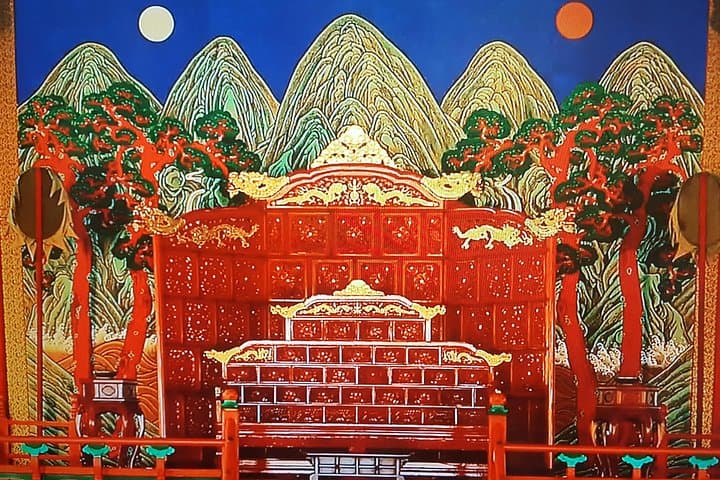
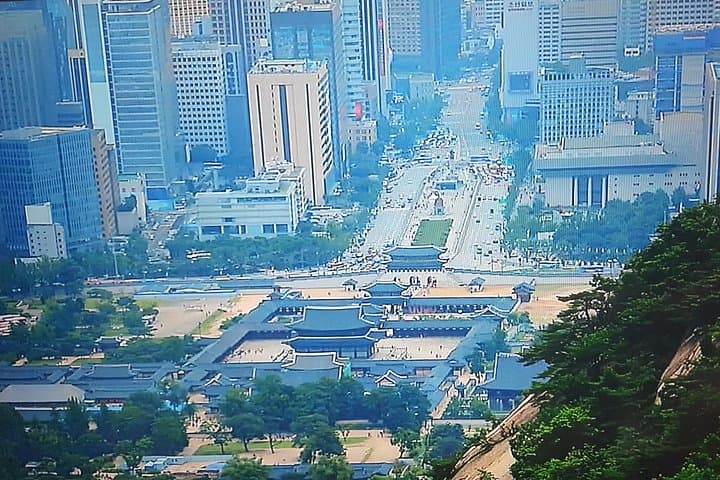
Built in 1395, Gyeongbokgung was the main palace of the Joseon dynasty and sits beneath Bukaksan, the northern mountain that traditionally protects the capital. Walking from the Royal Gate to the palace grounds, you’ll trace geomantic lines that shaped neighborhood layouts, see compact hanok lanes that once housed literati, and pass Insadong’s main artery where tea houses and craft stalls animate narrow alleys.
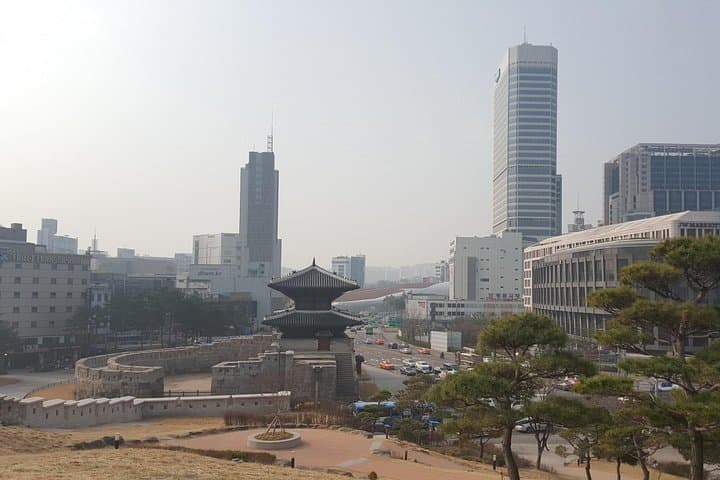
The tour pairs a 30-minute gate ceremony viewing with guided time in the palace (about 60 minutes), a drive-past of the Blue House, a stroll through historic quarters and a visit to a small temple and the nearby traditional market. Expect paved courtyards, low-rise alleys, and city stairs rather than strenuous trails — the day is cultural walking, not hiking.
Practical edge: wear supportive shoes, carry a light rain layer and cash for market stalls, and plan for photo crowds at the changing ceremony. The operator requires 3–7 people per booking and includes hotel pickup, admissions and an English-speaking driving guide. Time your visit for morning ceremonies to avoid peak afternoon crowds and give yourself extra time to explore Insadong’s side lanes after the scheduled itinerary.
easy.
8 hours.
Basic walking fitness; participants should be comfortable with repeated short walks and stair sections throughout the day.
Yes—admission fees listed in the itinerary (palace and select sites) are included; personal purchases and optional temple-stay fees are extra.
Yes—the tour includes hotel pickup and drop-off within central Seoul; specific pickup details are collected at booking.
This private tour requires a minimum of 3 and a maximum of 7 people per booking—check availability when reserving.
Infants and small children can use strollers, but some courtyards and narrow alleys may require lifting the stroller for short sections.
Gyeongbokgung was established in 1395 as the principal royal palace of the Joseon dynasty; its layout and nearby hanok districts reflect Confucian urban planning and geomantic (pungsu) principles.
Historic sites are actively preserved by national and municipal programs—stay on designated paths, avoid feeding wildlife, and minimize single-use plastics while visiting markets and tea houses.
CNC Tour Korea operates guided outdoor trips and adventures with an emphasis on safety, stewardship, and memorable experiences.
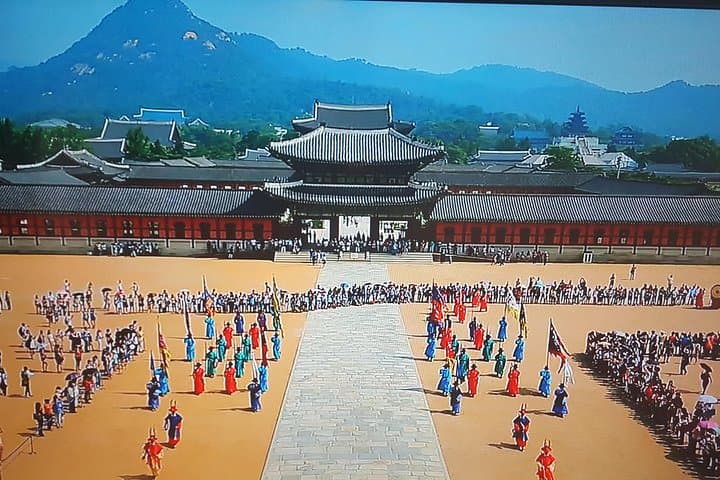
You step from a busy Seoul street into the drumbeat of a changing-guard ceremony at Gyeongbokgung, color and motion folding the city away for a half hour. The palace gates swing closed behind a column of guards; beyond them, timbered pavilions and painted eaves open onto courtyards that still hold the rhythm of the Joseon court.
You step from a busy Seoul street into the drumbeat of a changing-guard ceremony at Gyeongbokgung, color and motion folding the city away for a half hour. The palace gates swing closed behind a column of guards; beyond them, timbered pavilions and painted eaves open onto courtyards that still hold the rhythm of the Joseon court.
Built in 1395, Gyeongbokgung was the main palace of the Joseon dynasty and sits beneath Bukaksan, the northern mountain that traditionally protects the capital. Walking from the Royal Gate to the palace grounds, you’ll trace geomantic lines that shaped neighborhood layouts, see compact hanok lanes that once housed literati, and pass Insadong’s main artery where tea houses and craft stalls animate narrow alleys.
The tour pairs a 30-minute gate ceremony viewing with guided time in the palace (about 60 minutes), a drive-past of the Blue House, a stroll through historic quarters and a visit to a small temple and the nearby traditional market. Expect paved courtyards, low-rise alleys, and city stairs rather than strenuous trails — the day is cultural walking, not hiking.
Practical edge: wear supportive shoes, carry a light rain layer and cash for market stalls, and plan for photo crowds at the changing ceremony. The operator requires 3–7 people per booking and includes hotel pickup, admissions and an English-speaking driving guide. Time your visit for morning ceremonies to avoid peak afternoon crowds and give yourself extra time to explore Insadong’s side lanes after the scheduled itinerary.