THE ADVENTURE COLLECTIVE® · Independent discovery and booking for outdoor travel

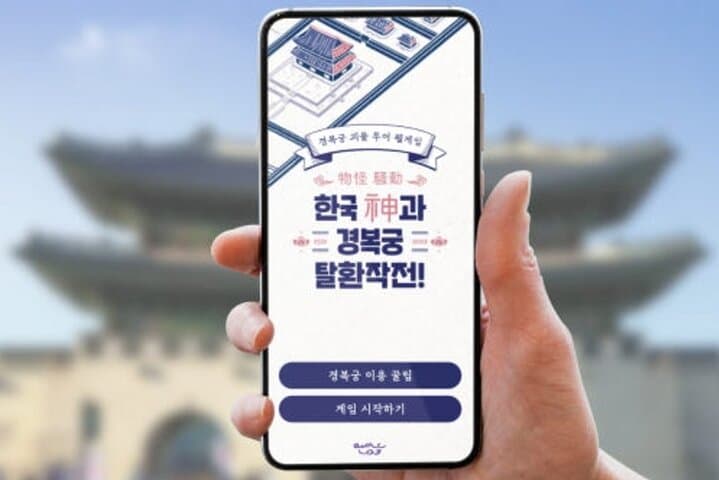
Turn a palace visit into a mission: a smartphone-based web guide leads you through Gyeongbokgung’s gates, pavilions, and courtyards with quizzes and escape-room style challenges. Plan for about two hours of walking, a separate palace admission, and a charged phone.
Turn a palace visit into a mission: a smartphone-based web guide leads you through Gyeongbokgung’s gates, pavilions, and courtyards with quizzes and escape-room style challenges. Plan for about two hours of walking, a separate palace admission, and a charged phone.
You step under Gwanghwamun Gate and the stone lions seem to measure your pace as the palace opens like a living map of Joseon-era Seoul.
Verified experiences and guided adventures in the surrounding area.
Operated by 한국여행업협동조합 · Seoul, Seoul
You step under Gwanghwamun Gate and the stone lions seem to measure your pace as the palace opens like a living map of Joseon-era Seoul.
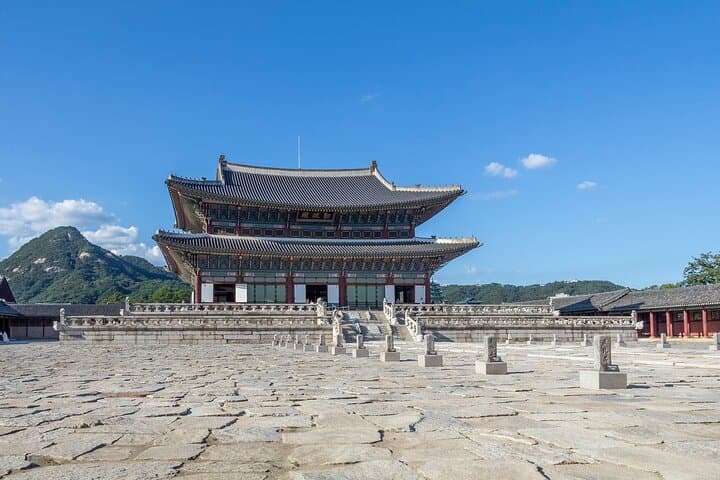
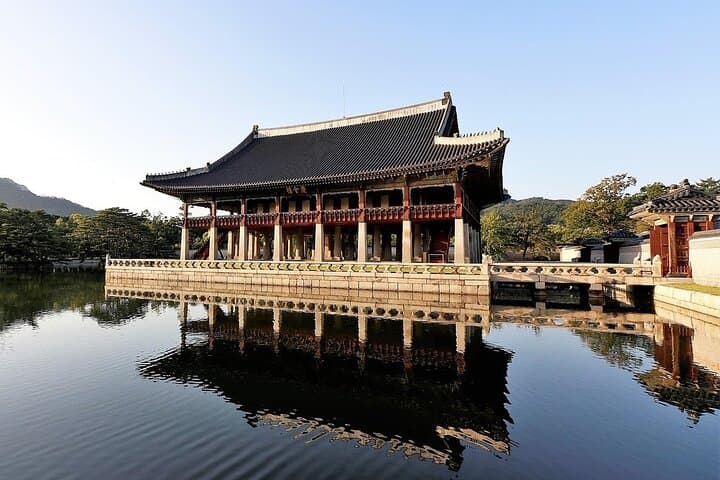
This self-guided web adventure converts Gyeongbokgung’s courtyards and corridors into a playable mission: solve quizzes at Yeonjeonggyo, decode clues at Geunjeongjeon, and outwit virtual monsters that the guide places among the pavilions. The format keeps the focus on place — wide gravel yards, tiled roofs, and the reflective pool at Gyeonghoeru — while letting history drop in through short multimedia briefs.
Gyeongbokgung was first completed in 1395 as the main royal palace of the Joseon dynasty and has been rebuilt and restored through centuries of conflict and modernization. The site sits on low urban terrain with carefully arranged stone bridges, wooden halls, and landscaped courtyards that reveal Confucian court order and royal daily life.
Practicalities: the web guide runs in a mobile browser and requires your ticket code; palace admission is not included and must be purchased separately. Expect two hours of steady walking on compacted earth and stone, with many steps inside halls. The experience is family-friendly and works well for small groups who want history with a playful edge. Bring a charged smartphone, a battery pack, comfortable shoes, and a lightweight rain layer in summer. Be mindful of restricted areas, photography rules inside certain halls, and local courtesies when wearing hanbok — you may even qualify for free admission on specific days. The game adds a narrative thrust to a classic cultural visit: you’ll leave having seen the palace and having moved through it with a mission accomplished.
easy.
2 hours.
Suitable for most fitness levels — requires 1–2 hours of walking, short standing periods, and climbing several sets of shallow steps.
No—this ticket provides access to the web-based escape game only; you must buy a separate Gyeongbokgung entry ticket.
After purchase you receive a code; open the supplied link on your smartphone, enter the code, and begin at Gwanghwamun Gate as instructed.
Language options vary by provider; check the booking page for available languages or contact the operator to confirm before travel.
Yes — the game is family-friendly and designed for various ages, but younger children may need help with reading or puzzle-solving.
Gyeongbokgung was completed in 1395 as the central palace of the Joseon dynasty and has been rebuilt and restored multiple times following wars and occupation.
The palace operates preservation rules and limits access to delicate interiors; visitors should stay on marked paths, avoid touching artifacts, and follow photography restrictions to protect historic woodwork and paints.
한국여행업협동조합 operates guided outdoor trips and adventures with an emphasis on safety, stewardship, and memorable experiences.

You step under Gwanghwamun Gate and the stone lions seem to measure your pace as the palace opens like a living map of Joseon-era Seoul.
You step under Gwanghwamun Gate and the stone lions seem to measure your pace as the palace opens like a living map of Joseon-era Seoul.
This self-guided web adventure converts Gyeongbokgung’s courtyards and corridors into a playable mission: solve quizzes at Yeonjeonggyo, decode clues at Geunjeongjeon, and outwit virtual monsters that the guide places among the pavilions. The format keeps the focus on place — wide gravel yards, tiled roofs, and the reflective pool at Gyeonghoeru — while letting history drop in through short multimedia briefs.
Gyeongbokgung was first completed in 1395 as the main royal palace of the Joseon dynasty and has been rebuilt and restored through centuries of conflict and modernization. The site sits on low urban terrain with carefully arranged stone bridges, wooden halls, and landscaped courtyards that reveal Confucian court order and royal daily life.
Practicalities: the web guide runs in a mobile browser and requires your ticket code; palace admission is not included and must be purchased separately. Expect two hours of steady walking on compacted earth and stone, with many steps inside halls. The experience is family-friendly and works well for small groups who want history with a playful edge. Bring a charged smartphone, a battery pack, comfortable shoes, and a lightweight rain layer in summer. Be mindful of restricted areas, photography rules inside certain halls, and local courtesies when wearing hanbok — you may even qualify for free admission on specific days. The game adds a narrative thrust to a classic cultural visit: you’ll leave having seen the palace and having moved through it with a mission accomplished.