THE ADVENTURE COLLECTIVE® · Independent discovery and booking for outdoor travel

Walk Gyeongbokgung Palace with an English guide and learn the architecture, stories and rituals of Joseon in about two hours. This half-day tour suits travelers who want a focused historical introduction to Seoul’s royal quarter.
Walk Gyeongbokgung Palace with an English guide and learn the architecture, stories and rituals of Joseon in about two hours. This half-day tour suits travelers who want a focused historical introduction to Seoul’s royal quarter.
Step through Gwanghwamun Gate and the city noise narrows to the measured cadence of courtyards, tiled roofs and wooden pillars.
Verified experiences and guided adventures in the surrounding area.
Operated by koreaguidetour · Seoul, Seoul
Step through Gwanghwamun Gate and the city noise narrows to the measured cadence of courtyards, tiled roofs and wooden pillars.
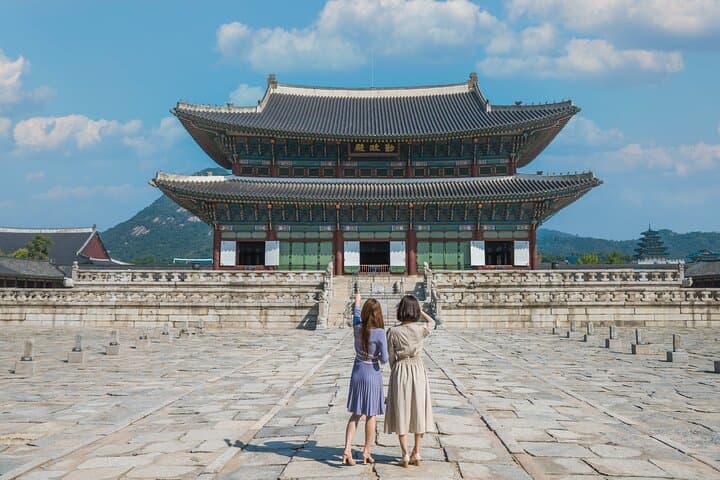
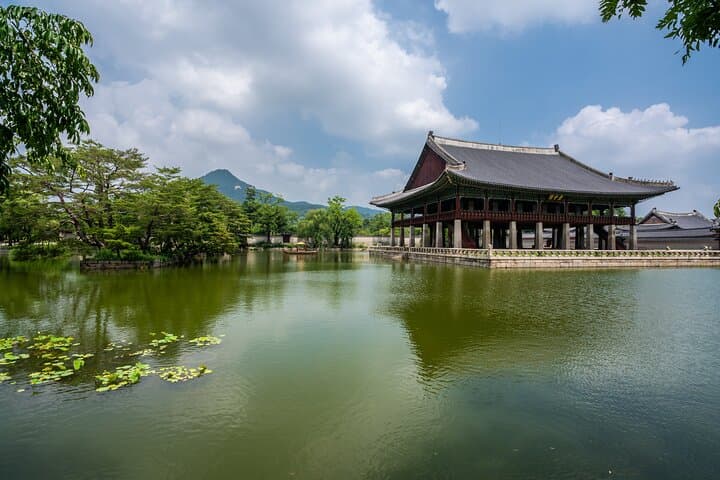
This two-hour, English-led walk moves methodically from Gwanghwamun into the palace core—Geunjeongjeon’s throne hall, the king’s working rooms, private chambers and the airy Gyeonghoeru pavilion—letting architecture and story guide the pace.
Gyeongbokgung was first completed in 1395 as the main palace of the Joseon dynasty. Built with pungsu (Korean geomancy) in mind at the foot of Bugaksan, its layout reflects ritual, governance and a Confucian order that shaped Seoul for six centuries. Much of what visitors see now was reconstructed after damage in the early 20th century, so the site is as much an active preservation project as it is a monument.
Culturally, the palace is a living classroom: animal carvings, painted brackets and gate guardians all carry symbolic roles, and guides often link these details to court life and ceremony. Nearby neighborhoods—Bukchon and Samcheong-dong—offer quiet tea houses and museum nooks for follow-up exploration.
Practically: wear comfortable shoes and bring a bottle of water; there are gentle steps and long eaves but no difficult terrain. Photography is allowed in most outdoor sections, but recording policies may vary—follow your guide. Note the palace is closed Tuesdays, and small-group tours can be canceled if under four participants.
This is a compact, layered introduction to Joseon Seoul—historic, visual and eminently walkable.
easy.
2 hours.
Light walking; suitable for most fitness levels but requires standing and climbing short flights of stairs.
Yes—this tour includes palace admission, so you won’t need to buy a separate ticket at the gate.
The tour is offered in English by a licensed local guide who will explain architecture, history and symbolism.
Late arrivals are not allowed to join once the tour has begun, so plan to arrive at the confirmed meeting time.
Gyeongbokgung is closed on Tuesdays; if your date falls on a Tuesday, the operator may offer an alternate like a Deoksugung night tour.
Founded in the late 14th century as Joseon’s primary palace, Gyeongbokgung has undergone cycles of destruction and careful reconstruction, combining original layout with modern restoration efforts.
Ongoing restoration balances visitor access with preservation; stay on paths, avoid touching painted woodwork and follow guide instructions to help protect fragile surfaces.
koreaguidetour operates guided outdoor trips and adventures with an emphasis on safety, stewardship, and memorable experiences.
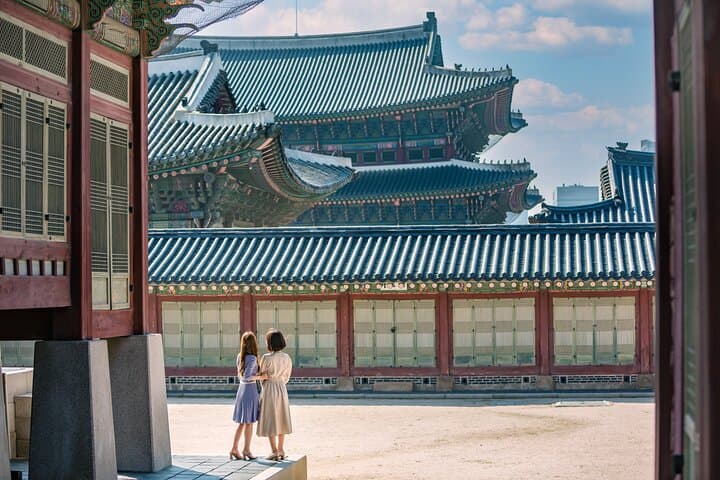
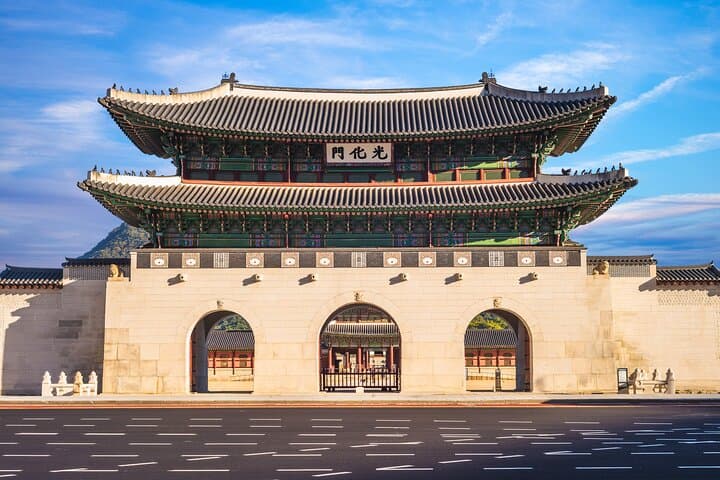
Step through Gwanghwamun Gate and the city noise narrows to the measured cadence of courtyards, tiled roofs and wooden pillars.
Step through Gwanghwamun Gate and the city noise narrows to the measured cadence of courtyards, tiled roofs and wooden pillars.
This two-hour, English-led walk moves methodically from Gwanghwamun into the palace core—Geunjeongjeon’s throne hall, the king’s working rooms, private chambers and the airy Gyeonghoeru pavilion—letting architecture and story guide the pace.
Gyeongbokgung was first completed in 1395 as the main palace of the Joseon dynasty. Built with pungsu (Korean geomancy) in mind at the foot of Bugaksan, its layout reflects ritual, governance and a Confucian order that shaped Seoul for six centuries. Much of what visitors see now was reconstructed after damage in the early 20th century, so the site is as much an active preservation project as it is a monument.
Culturally, the palace is a living classroom: animal carvings, painted brackets and gate guardians all carry symbolic roles, and guides often link these details to court life and ceremony. Nearby neighborhoods—Bukchon and Samcheong-dong—offer quiet tea houses and museum nooks for follow-up exploration.
Practically: wear comfortable shoes and bring a bottle of water; there are gentle steps and long eaves but no difficult terrain. Photography is allowed in most outdoor sections, but recording policies may vary—follow your guide. Note the palace is closed Tuesdays, and small-group tours can be canceled if under four participants.
This is a compact, layered introduction to Joseon Seoul—historic, visual and eminently walkable.